
Metal Roofing and Wall Panel Roll Forming Terms You Should Know
Metal roofing and roll forming are important and common processes in the construction, design, and residential building industries. However, these processes can be quite difficult to understand for those outside the industry or newcomers. The various components of roll forming machines, their functions, the composition of metal roofs, and potential problems when operating these machines can be overwhelming.
These terms play a crucial role not only in equipment operation but also in product design, quality control, and project planning. This comprehensive guide aims to simplify the complex terminology and processes commonly used in the metal roofing and roll forming industry, compiling everything into a single glossary for easy reference. We have included definitions for the following terms:
- Roll Forming Definition: Roll forming process and different roll forming machines
- Metal Roofing Definition: Roofing components and installation accessories
- Other Metal Roofing Definitions: Metal roofing types and related components
- Problems with Metal Roofing and Roll Forming of Metal Coils or Sheets
Roll Forming Definition
Seaming: The process of folding material inwards.
Machinist: A worker who manufactures, assembles, or repairs machinery, a skilled craftsman using machine tools, a person who operates machinery.
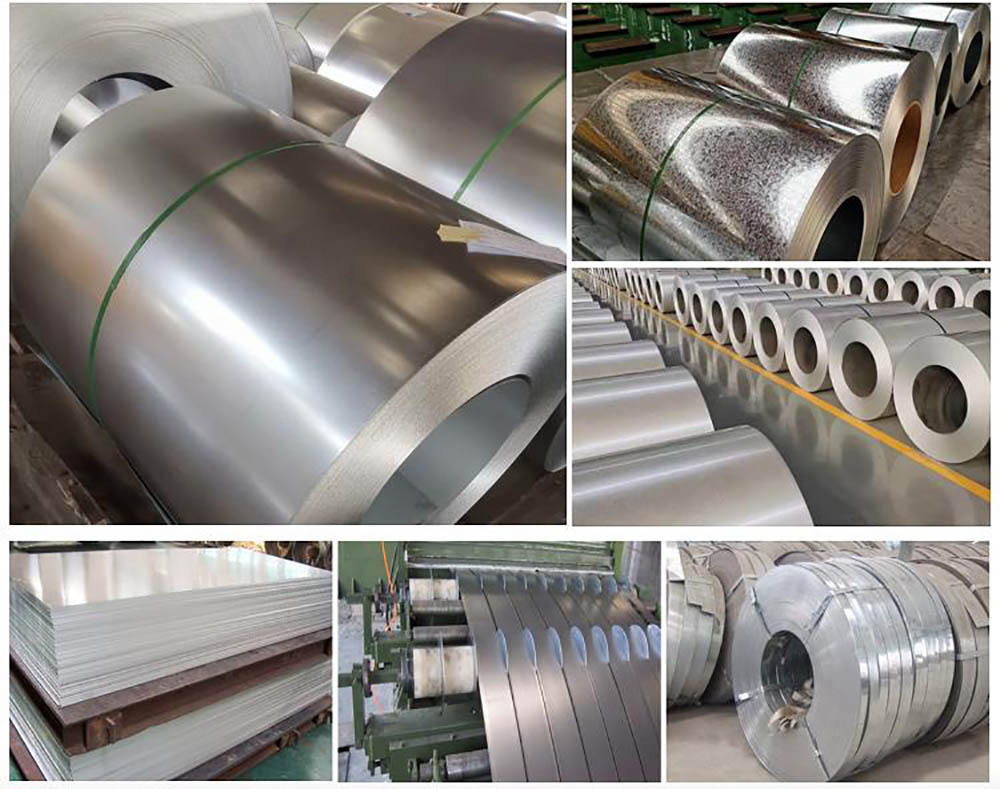
Metal Coil: The winding of sheet metal into large coils. Coils are the most efficient way to transport or store sheet metal.
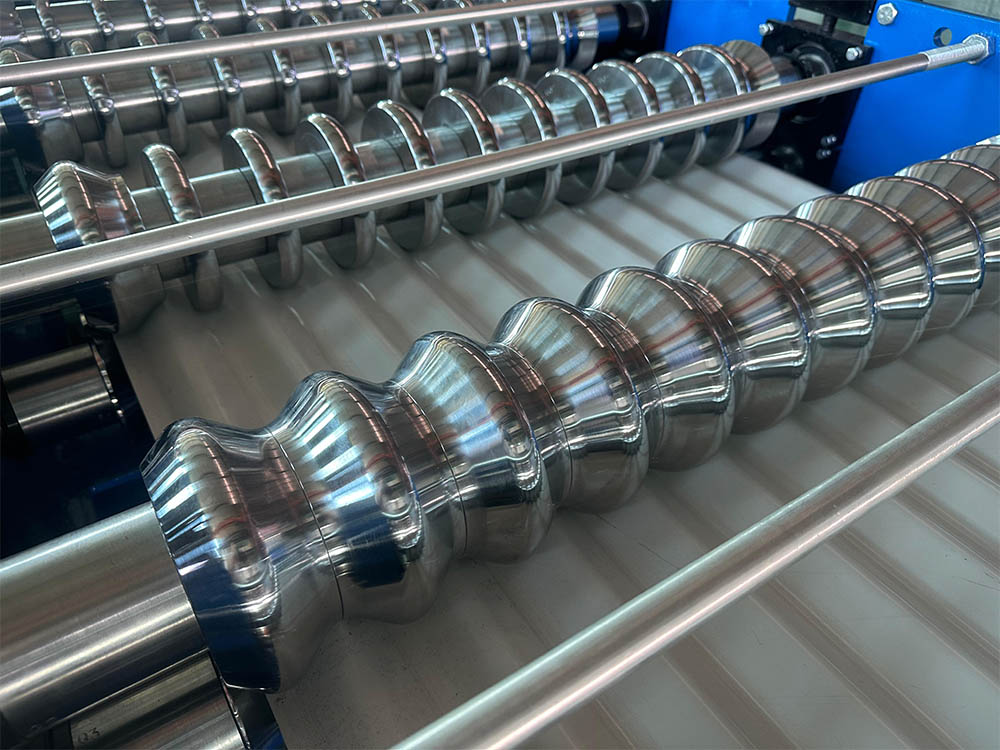
Metal Roll Forming: The process of feeding finished metal, coils, flat metal, or other forms of metal into a series of rollers, where each roller station further processes the metal part into the desired shape.
What is Roll Forming?
Roll forming is a continuous manufacturing process that uses a series of rollers to shape flat metal coils into specific profiles. Each stage progressively bends the material until the final shape is achieved. This process is widely used in the production of roofing panels, wall panels, and structural components.
Roll Forming Process Flow
The process begins by feeding the metal coil into an uncoiler. Then, the material passes through a leveling system to remove any irregularities. Afterward, the material sequentially passes through multiple forming stations, where rollers progressively shape the metal. Finally, the formed panels are cut to the required length.
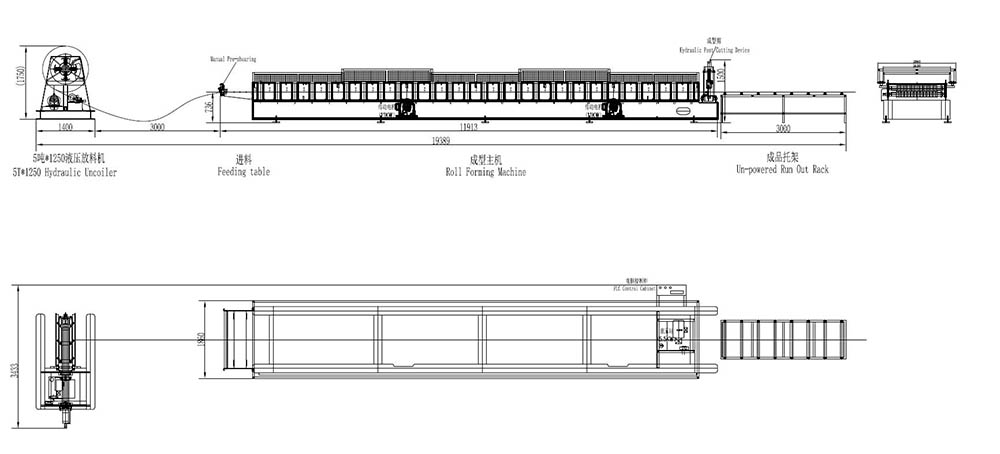
This method ensures high production efficiency, dimensional consistency, and minimal material waste.
Types of Roll Forming Machines
Different types of roll forming machines are used depending on production needs and panel design.
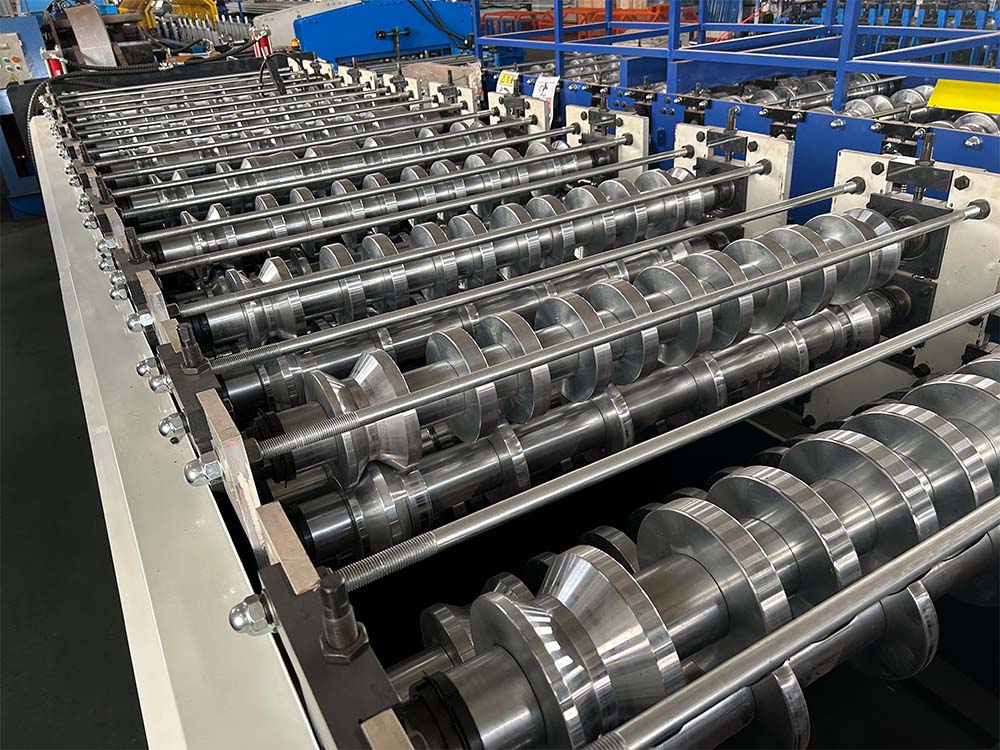
 Standard roll forming machines are used to produce single-profile panels in high-volume production environments.
Double-layer roll forming machines allow manufacturers to produce two different panel profiles using a single machine, increasing flexibility and saving space.
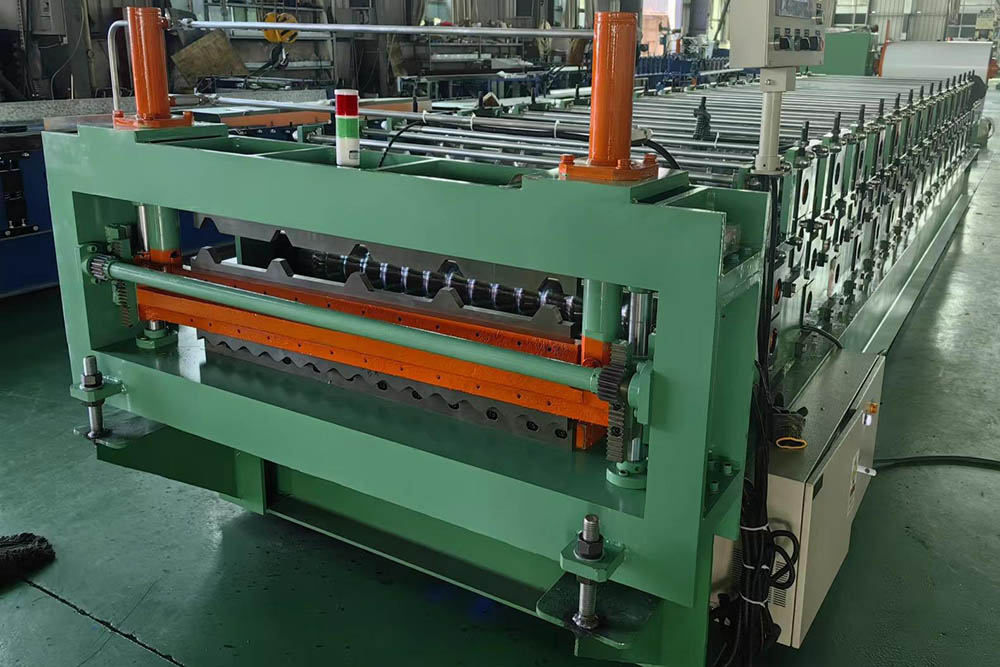
Portable roll forming machines are designed for on-site production, allowing for the direct forming of panels on the construction site.
 Custom roll forming machines from suppliers such as Metoform can be configured to produce specific roofing or wall panel profiles according to project requirements.
Metal Roofing Definitions
Metal Roof: A roofing system made of metal sheets or tiles, characterized by strong wind/storm resistance, waterproofing, and long service life.
Metal Coil/Sheet Material: Metal roofing material initially exists in the form of metal coils or sheets, which are then rolled, cut, and roll-formed into the panels required for installation. Metal coils are long, continuous strips of metal that have been treated or painted.
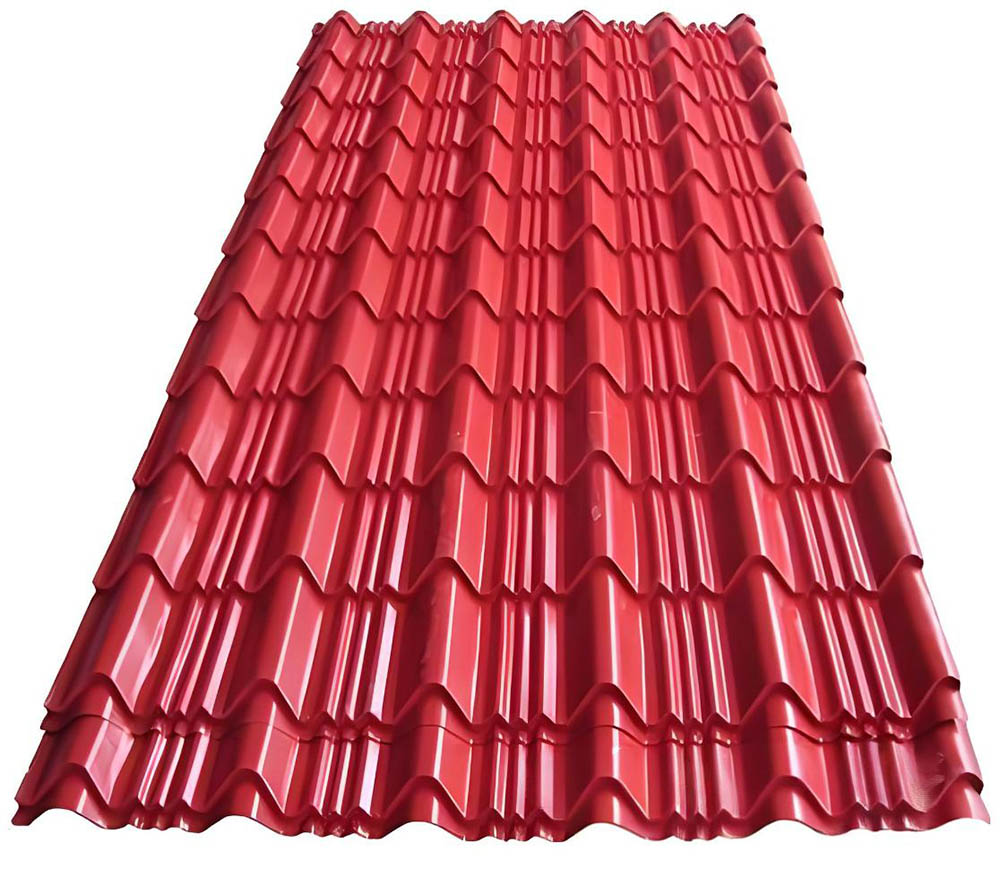
Panel: Formed from metal coils through roll forming, creating the desired profile/rib structure that can be stitched together to form a roof.
Profile: The shape of the metal panels; they also determine how the panels are assembled and connected.
Roll Forming Equipment: Machinery that forms coils or sheets into individual panels; this can be a stationary or portable device.
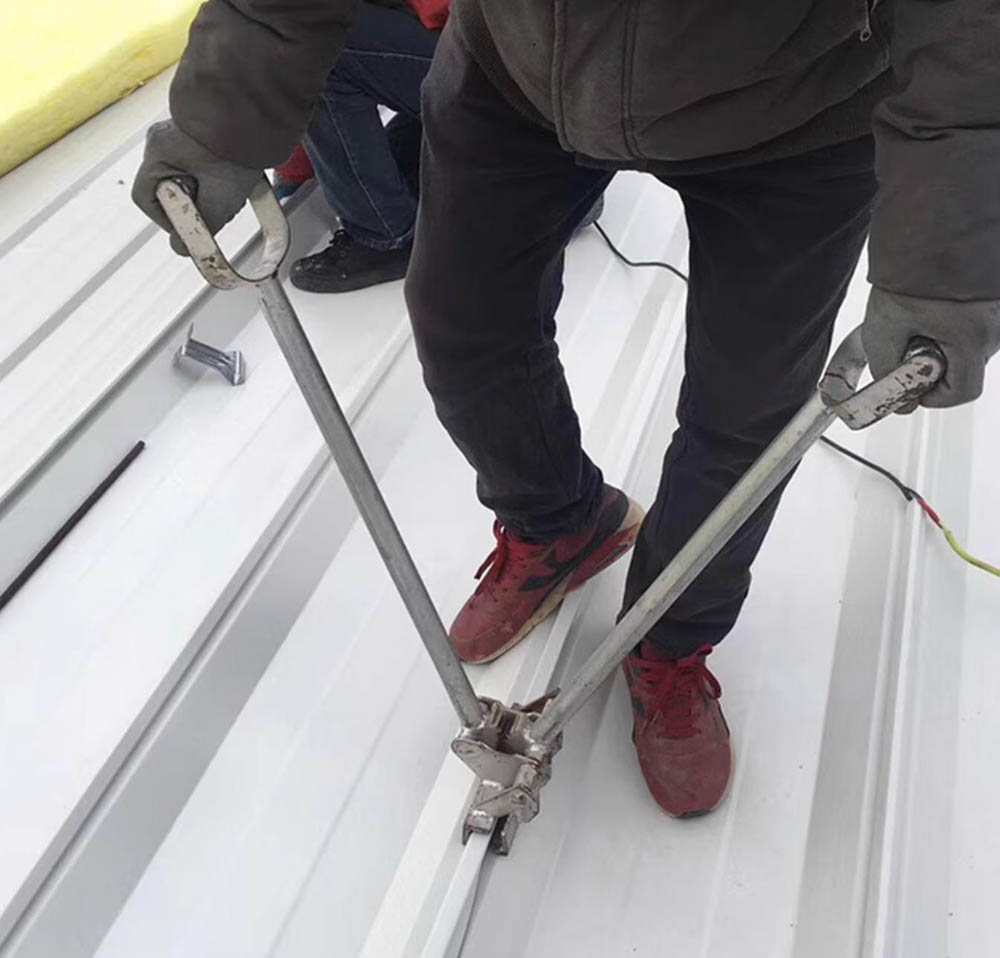
Seam: The side rib that connects two metal sheets.
Metal Roofing Systems
Metal roofing refers to roofing systems made from metal panels or sheets that provide protection against weather and environmental conditions. These systems are known for their durability, long service life, and modern appearance.
Roofing Panels
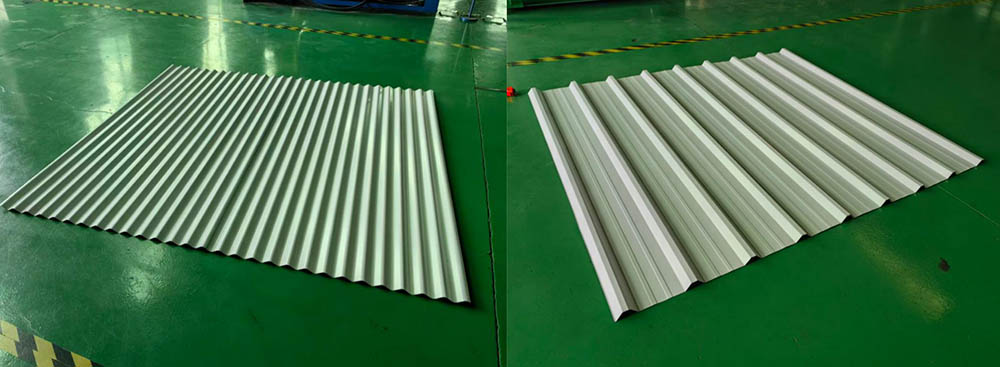
Roofing panels are the main components of a metal roof. They are formed into different profiles to improve strength and water drainage. Common profiles include ribbed and corrugated designs.
Flashing Components
Flashing is used to seal joints and edges in a roofing system. It prevents water from entering areas such as valleys, edges, and intersections.
Fasteners and Clips
Fasteners and clips are used to secure metal panels to the structure. They play an important role in maintaining system stability and ensuring proper installation.
Other Metal Roofing Definitions
Cold Metal Roof: Painted or coated metal panels that reflect solar energy to dissipate heat.
EPDM Roof: Ethylene propylene rubber, a synthetic rubber used as a roofing material for pitched or flat roofs, commonly found in commercial buildings.
Exposed Fastener Metal Roof: A roofing system in which panels are directly attached to the roof slab or underlying frame via a metal surface and are visible from the top.
Flange: A protruding edge or side of a component, typically narrow and roughly constant in width, used for reinforcement or fastening.
Specification: A unit of measurement for metal thickness. A smaller specification number indicates a thicker metal.
Metal Sheet Joint Type: The shape and manner in which two or more metal sheets are joined perpendicularly.
Panel Profile: The shape and manner in which two or more panels are stitched together.
Ribbed rollers: refer to the “patterns” or stripes rolled onto the seams of metal roofing panels.
Vertical joint metal roof: a concealed fastener metal roofing system characterized by raised vertical seams and a wide, flat area between two panel legs.
Types of Metal Roofing Panels
Metal roofing panels can be classified based on their design and installation method.
Standing seam panels use concealed fasteners and provide a clean appearance with improved weather resistance.
 Corrugated panels have a wave like profile and are commonly used in industrial and agricultural buildings.
Ribbed panels offer structural strength and are widely used in commercial construction.
Panel Coatings and Finishes
Metal roofing panels are often coated to improve corrosion resistance and enhance appearance. Coatings also help extend the lifespan of the roof by protecting it from environmental exposure.
Insulation and Underlayment
Insulation is used to improve thermal performance and reduce energy consumption. Underlayment provides an additional protective layer beneath the roofing panels to prevent moisture penetration.
Issues with Metal Roofing and Roll Formed Metal Panels
| Issue | Description | Cause | Impact | Solution |
| Oil Canning | Visible waviness on flat metal surfaces | Internal stress in material or forming process | Affects appearance but not structural performance | Use proper material selection and optimized forming process |
| Corrosion | Surface deterioration of metal over time | Contact between different metals or damaged coatings | Can reduce lifespan and affect performance | Apply high quality coatings and choose compatible materials |
| Galvanic Reaction | Chemical reaction between different metals | Direct contact between dissimilar metals | Leads to accelerated material degradation | Use isolation methods and proper material pairing |
| Denting and Impact Damage | Physical deformation of panels | External impact from debris or objects | Affects appearance and may reduce panel integrity | Use thicker materials and protect exposed areas |
| Thermal Movement | Expansion and contraction due to temperature changes | Natural response of metal to temperature variation | May cause deformation or fastening issues | Design proper fastening systems and allow movement tolerance |
Core Roll Forming Terms in Production
Metal Coil
A metal coil is the raw material used in roll forming. It is supplied in large rolls and determines the final product quality.
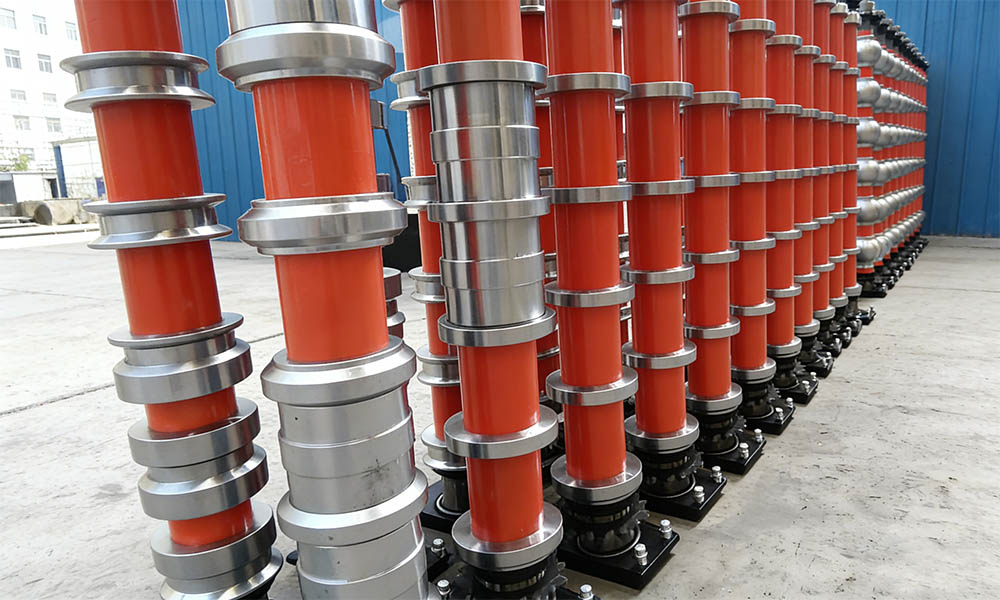
Forming Stations
Forming stations are the sets of rollers that shape the metal into the desired profile. Each station contributes to gradual and precise forming.
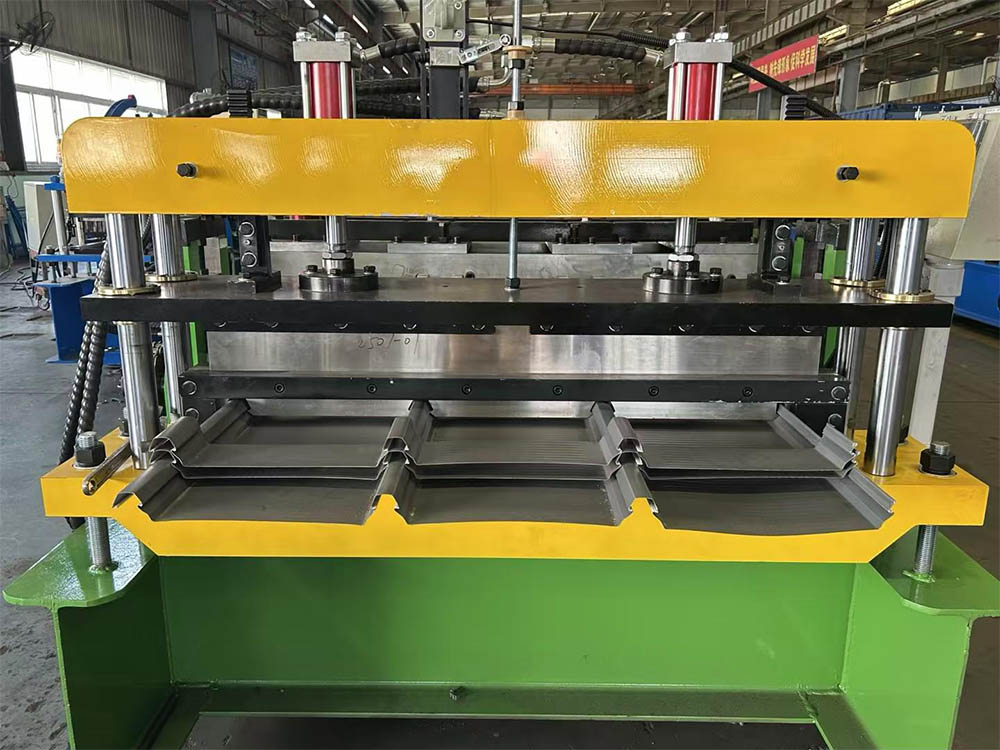
Cutting System
The cutting system trims panels to the required length after forming. Automated cutting improves accuracy and efficiency.
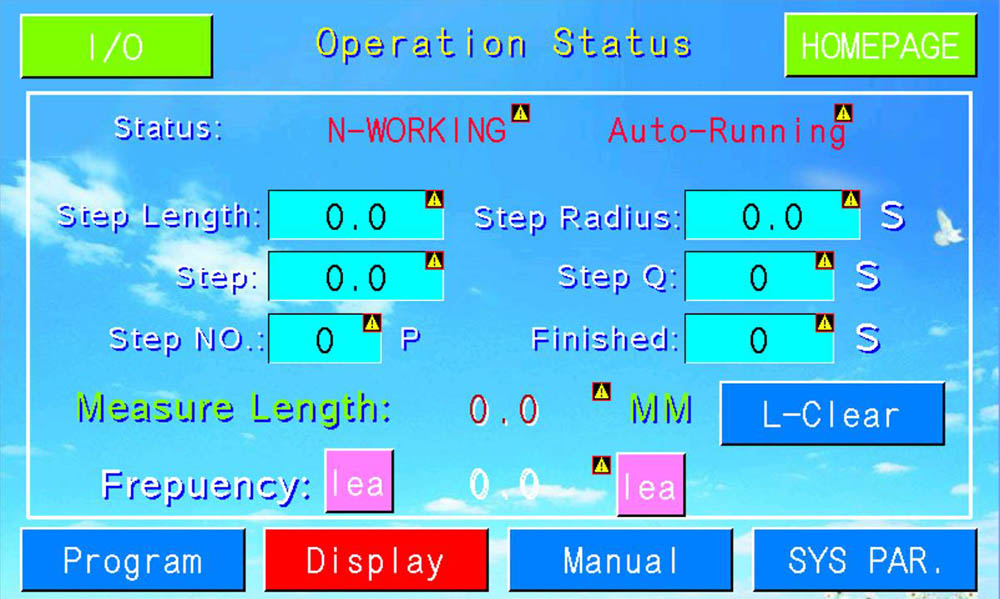
Control System
The control system manages machine operation, including speed and panel length. Advanced systems improve production consistency.
Conclusion
Understanding roll forming and metal roofing terminology helps improve communication, production planning, and equipment selection. From raw material processing to finished panel installation, each concept plays a role in achieving high quality results.
With the support of advanced roll forming machines from Metoform, manufacturers can produce reliable roofing and wall panel systems that meet the demands of modern construction.

Product Recommendation


How can we assist you?
Tell us a bit more so we can route your request to the right expert.
Sign Up For Our Newsletter
Subscribe to our newsletter for product promos, news, and more.