
What Is Metal Purlin? : Types, Sizes, Uses, And Cost
Metal purlins are horizontal structural members that support roof and wall systems in steel buildings. They are commonly made from galvanized steel or cold formed steel, which provides high strength, light weight, and good corrosion resistance.
Metal purlins help distribute loads from roof and wall panels to the main structural frame, improving overall building stability.
Because they are easy to install and suitable for large span structures, metal purlins are widely used in industrial workshops, warehouses, agricultural buildings, and commercial steel structures.
This article will provide a comprehensive overview of metal purlins, including their sizes, surface treatments, applications, and cost factors, helping readers understand their characteristics and selection methods.
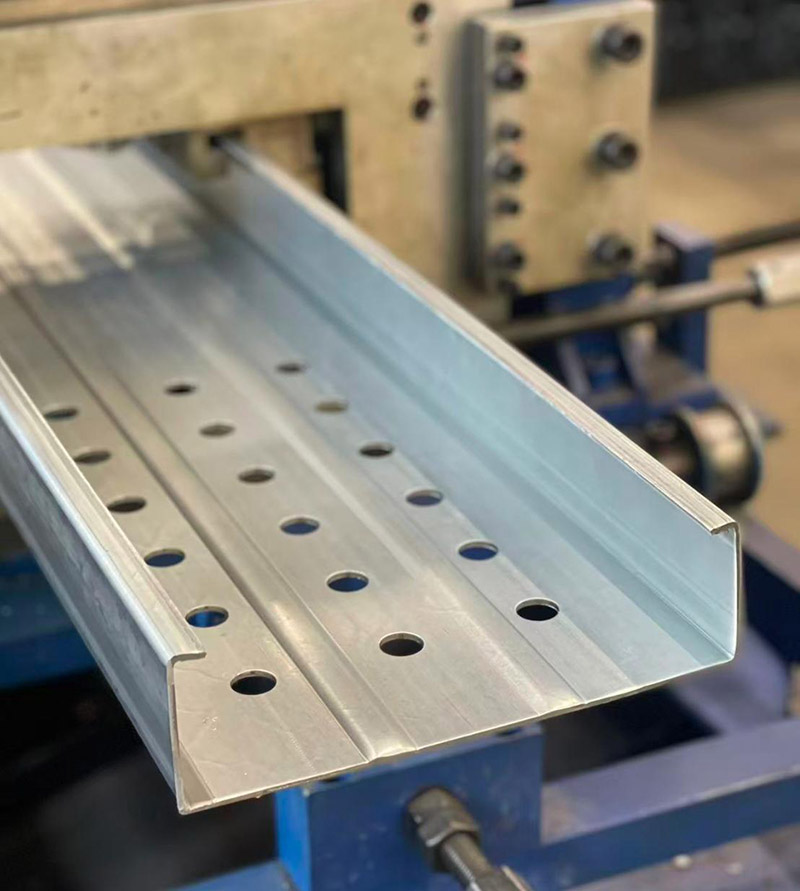
What Is Metal Purlin?
A metal purlin is a horizontal structural component used to support roof and wall panels in steel buildings. It is commonly made from galvanized steel or cold formed steel, which provides high strength, light weight, and good durability.
Metal purlins transfer loads from the roof or wall system to the main structural frame, helping improve overall building stability.
What Sizes Do Metal Purlins Come In?
Metal purlins come in a variety of sizes to suit different construction requirements. Choosing the right size affects both structural stability and construction costs, as well as the service life of the building.
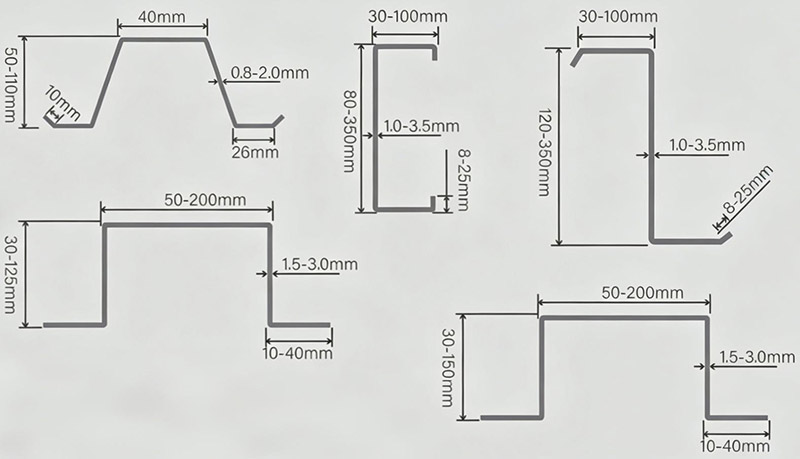
Common Thickness and Height
The thickness of metal purlins usually ranges from 0.8 millimeters to 3 millimeters, while the height generally ranges from 50 millimeters to 300 millimeters.
The thickness determines the load-bearing capacity, and the height affects how well it can span a distance. For roofs with large spans, taller and thicker purlins are usually selected to maintain structural stability and safety.
The choice should consider the type of roofing panels, roof slope, and wind load.
Span and Spacing
The span and installation spacing of purlins are parameters that must be considered in design. Generally, as the span increases, the required height and thickness of the purlin also increase. The typical spacing is between 0.6 meters and 1.2 meters.
Appropriate spacing ensures even load distribution on the roof, reduces deformation and vibration, and construction should follow building standards and actual load conditions to maintain safety.
Custom Sizes
In some special buildings, standard sizes may not meet the requirements, so custom metal purlins can be produced. Customization allows precise design according to the building span, roof shape, and load requirements.
Although the cost may be slightly higher, it ensures optimal structural performance and improves construction efficiency and durability, making it the preferred choice for high-standard projects.
How Should the Surface of Metal Purlins Be Treated?
Surface treatment directly affects the corrosion resistance and service life of metal purlins. The most common treatments are red oxide coating and galvanization.
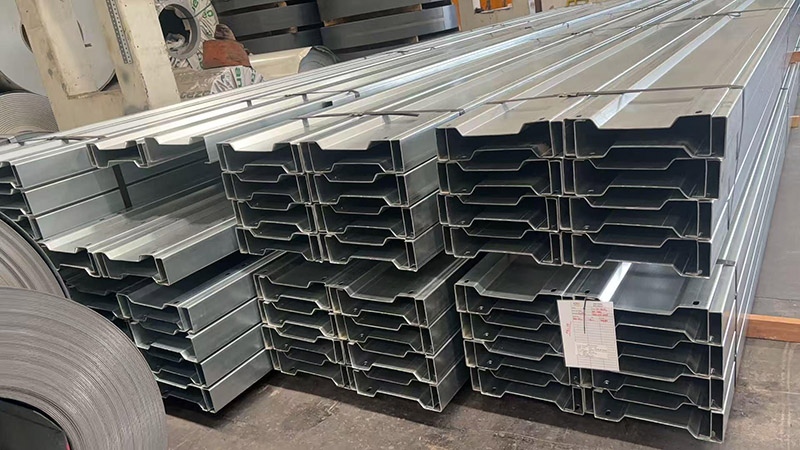
Red Oxide Treatment
Red oxide treatment involves applying a red iron oxide coating on the surface to form a protective layer against rust. This treatment is simple and low in cost, suitable for short-term use or buildings with low environmental demands.
It can slow down the oxidation of steel, but its protective effect is limited in environments with high humidity or acid rain, so it should be selected based on actual conditions.
Galvanization
Galvanization involves covering the steel surface with a layer of zinc to create a long-lasting protective coating. The zinc layer effectively blocks moisture and oxygen from reaching the steel, significantly extending the service life of metal purlins.
Galvanized purlins are suitable for industrial workshops, warehouses, and other buildings exposed to outdoor environments for long periods. Although more expensive than red oxide treatment, they are more durable and stable for long-term use.
Which is Better, Red Oxide Treatment or Galvanization?
Prime-painted purlins, often known as red oxide purlins, are commonly used in steel building construction because they are more cost-effective than galvanized purlins.In most cases, red oxide purlins can save approximately 25% to 35% compared with galvanized options.
The red oxide primer is designed to prepare the steel surface for a final topcoat of paint. However, it only provides limited protection against corrosion.If left exposed to outdoor weather without a finished paint coating, red oxide purlins can rust relatively quickly.
Galvanized purlins are more expensive, but they offer better corrosion resistance and longer service life. They are especially suitable for projects located in coastal areas, humid environments, or other corrosive conditions.
However, galvanized steel can be more difficult to paint than red oxide primed steel because of its smoother zinc-coated surface.
When to Choose Red Oxide Purlins?
Red oxide purlins are a good choice if:
- You want a more economical purlin option
- The purlins will not be directly exposed to the weather
- You plan to paint the purlins with a finish coat
- The project is located in a normal indoor or low-corrosion environment
When to Choose Galvanized Purlins?
Galvanized purlins are a better choice if:
- You need longer-lasting corrosion protection
- The project is located near the ocean or in a humid environment
- The purlins will be exposed to outdoor conditions
- You do not plan to paint the purlins after installation
Where Are Metal Purlins Commonly Used?
Metal purlins are used to support roofs and walls, and they are widely used in modern light steel structures. Their application varies depending on the type of building.
Industrial Workshops
In industrial workshops, metal purlins support large-span roofs and carry the weight of roofing panels and suspended equipment. Their lightweight and high-strength characteristics allow workshops to have open spaces while maintaining structural stability.
Galvanized purlins are particularly suitable for workshop environments because they resist corrosion and require less frequent maintenance, ensuring safety and stability.
Warehouses and Logistics Buildings
Warehouses often require large open spaces and strong roofs, and metal purlins can effectively distribute roof loads, reducing the need for steel supports.
Proper arrangement of purlins ensures the safety of storage areas and improves construction efficiency and cost-effectiveness, making them a preferred choice for modern logistics buildings.
Commercial and Light Steel Residential Buildings
In commercial buildings and light steel residences, metal purlins mainly support roofs and some wall structures.
Light steel residences require materials that are lightweight, strong, and visually appealing, so selecting purlins with suitable dimensions and proper surface treatment can achieve safety, ease of construction, and aesthetic quality, enhancing the overall building.
What Factors Determine the Cost of Metal Purlins?
The cost of metal purlins is influenced by several factors. Understanding these factors helps control expenses and choose materials with a good balance between price and performance.
Material Type
Steel prices vary depending on the material. Ordinary carbon steel is less expensive but has limited corrosion resistance. Galvanized steel and high-strength alloy steel are more costly but last longer.
The choice of material affects not only the initial investment but also maintenance costs over time, making it one of the main factors in cost calculation.
Size and Specifications
The thickness, height, and length of purlins directly determine the amount of material used. Thicker and taller purlins cost more. Custom sizes require more complex production, so they are more expensive than standard sizes.
Designers should select sizes according to building plans to avoid waste and unnecessary costs.
Surface Treatment
Red oxide treatment is less expensive but has limited durability, which may increase future maintenance costs. Galvanization costs more but reduces maintenance and replacement frequency.
The choice of surface treatment should consider the building environment, expected lifespan, and budget, balancing short-term costs with long-term benefits.
Conclusion
Metal purlins are widely used in modern construction, and their size, surface treatment, and application affect the stability and service life of buildings.
Choosing appropriate sizes and surface treatments according to the building requirements can reduce costs and improve reliability and efficiency.
Metoform offers cost-effective metal purlins for sale. You are welcome to visit the homepage for consultation and purchase.
FAQs
Q What materials are metal purlins usually made of?
They are usually made of galvanised steel and carbon steel, which are lightweight, strong, and corrosion-resistant.
Q How long does red oxide treatment last?
It lasts about 2 to 5 years in dry environments, and less in humid conditions.
Q What is the suitable spacing for installing metal purlins?
Typical spacing is between 0.6 meters and 1.2 meters, adjusted according to span and load.
Q How much more expensive is galvanization compared to red oxide?
Galvanisation usually costs 20 to 50 per cent more, but has a longer service life.
Q Can metal purlins be customized?
Yes, they can be customised according to building span and load requirements.

Product Recommendation


How can we assist you?
Tell us a bit more so we can route your request to the right expert.
Sign Up For Our Newsletter
Subscribe to our newsletter for product promos, news, and more.