Steel Frame Roll Forming Machine: Single-Profile vs Multi-Profile
In the construction industry, roll forming equipment is crucial for producing cold-formed steel frame components. These components are essential materials for modern buildings, ensuring structural integrity and providing significant flexibility in architectural design.
Choosing between a single-profile roll forming machine and a multi-profile roll forming machine is a critical decision that impacts production needs, efficiency, and versatility.
Understanding the differences and advantages of each type of equipment can help manufacturers make the best choice based on their own operational needs.
What Is a Steel Frame Roll Forming Machine?
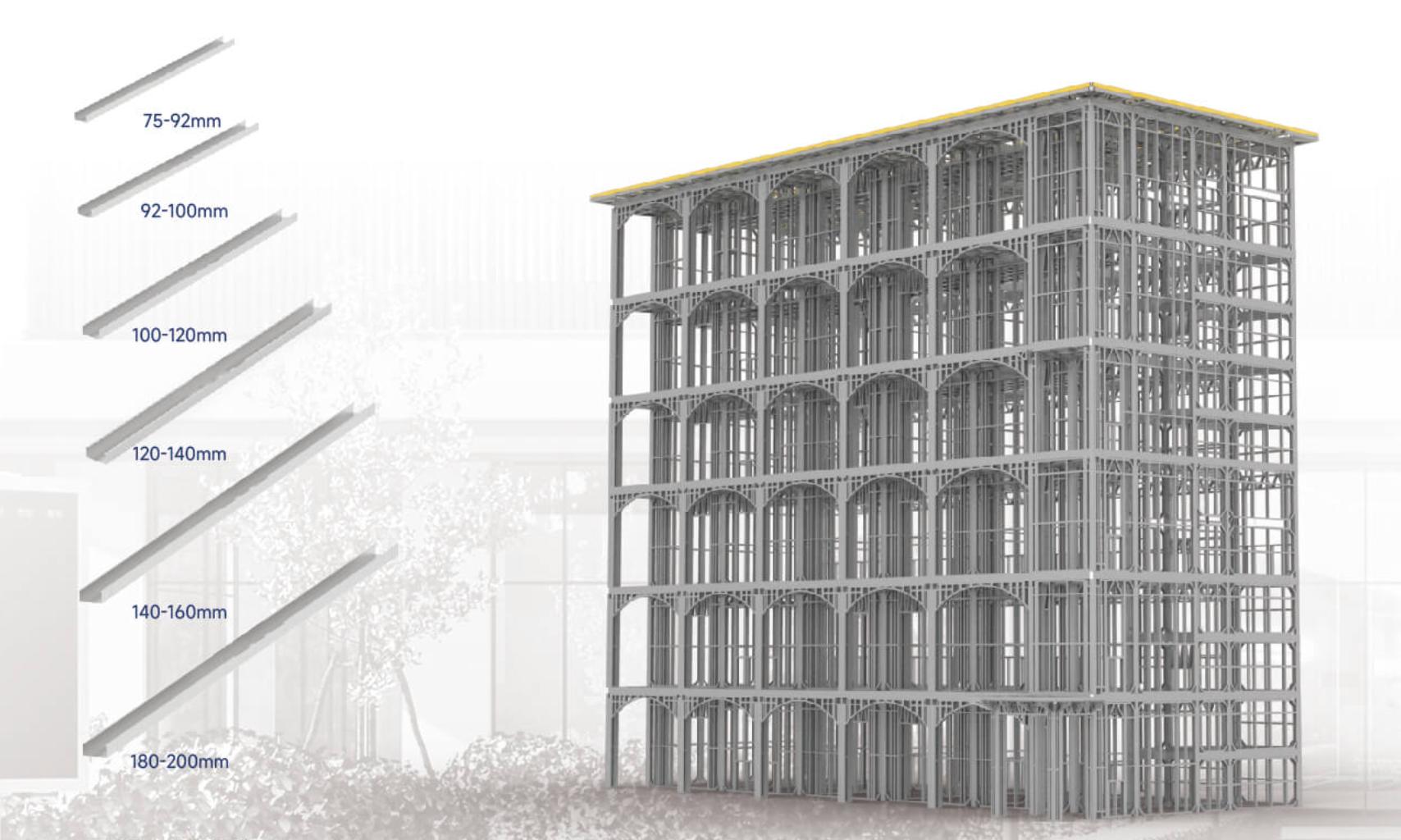
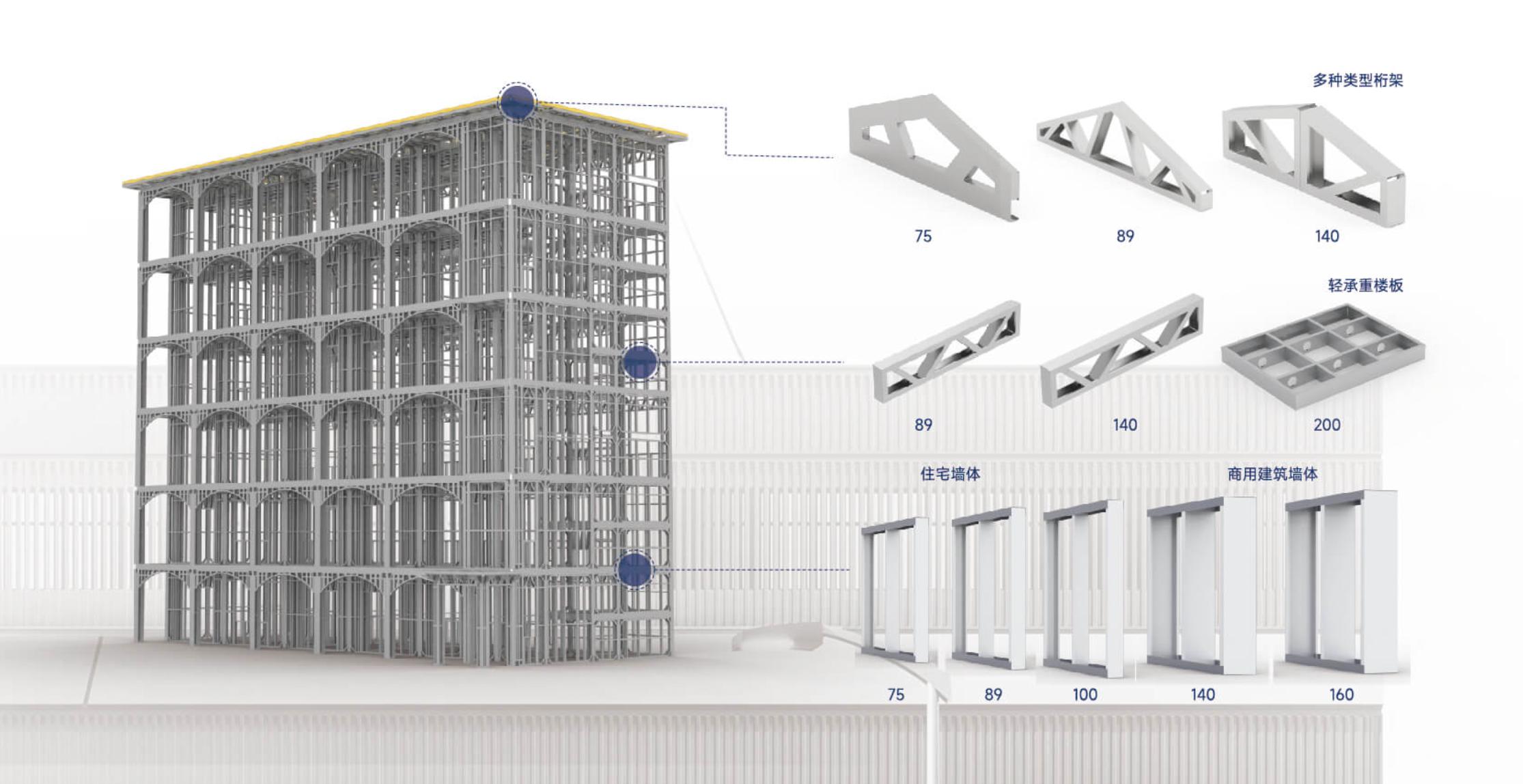
The keel of a light steel villa is primarily produced using a steel frame roll forming machine. A cold roll forming machine is a specialized machine for processing steel, typically consisting of a feeding machine, a pressure roller system, a control system, and a shearing mechanism.
During the production of the keel for a light steel villa, the cold roll forming machine bends the rolled material into the required shape and specifications through a series of processes, such as feeding, rolling, and pressing.
The structural safety of light steel keels is due to several factors:
High material strength: Light steel keels use high-strength cold-rolled thin-walled steel plates as the material, which are stronger and more durable than traditional wooden keels and concrete structures.
High construction precision: The cold roll forming machine used to produce light steel keels has a high-precision control system that can accurately control the size and shape of the keel, ensuring stable quality and accuracy.
Good fire resistance: Light steel keels have a high combustion temperature and are easily melted, therefore they are less likely to lose structural stability in a fire. Furthermore, fire-retardant coatings can be applied to further improve their fire resistance.
Excellent shock absorption performance: Light steel keel can adopt a series of shock absorption measures in its design, such as increasing the bending radius of the keel and setting rubber anti-vibration pads, so as to show good seismic performance in the event of natural disasters such as earthquakes.
Depending on the specific requirements, keel frame machines can be divided into single-specification and multi-specification types. Their characteristics and selection need to be analyzed based on production needs.
Single-specification Steel Frame Machines
Single-specification steel frame roll forming machines are mainly used to produce fixed-size keel frames. Their advantages include high production efficiency, good precision and stability, and suitability for mass production of individual products.
However, they lack flexibility; changes in specifications require machine downtime for mold adjustments, increasing costs. Typical applications include large-scale standardized production, such as manufacturing fixed-size light steel keels or ceiling frames.

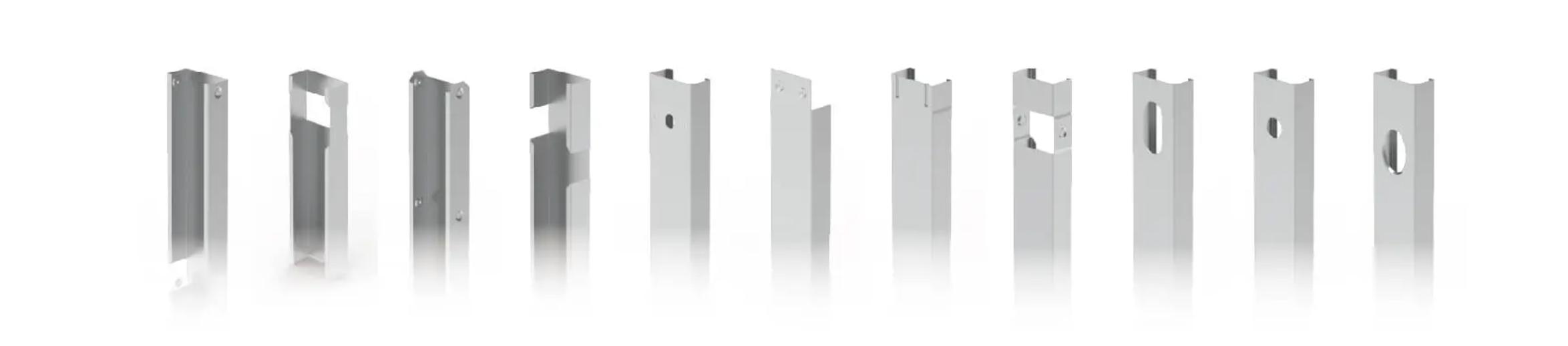

Multi-specification Keel Frame Machines
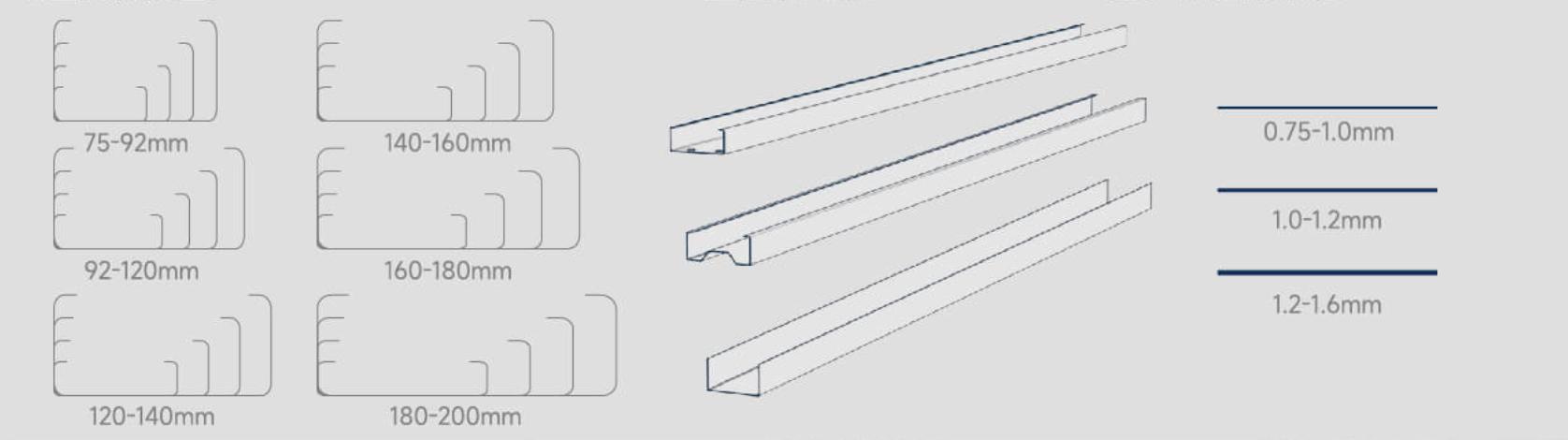
Multi-specification keel frame machines employ a modular design, supporting rapid changeover. Their features include high flexibility, high changeover efficiency, and reduced downtime due to specification switching. However, initial investment and maintenance costs are higher, and complex adjustments may slightly affect the accuracy of single-specification production.
They are suitable for small-batch, multi-variety, or customised production scenarios, such as in the construction industry, where project requirements frequently change.
How to Select a Keel Forming Machine?
Production scale and variety
For large-volume, single-specification production, a single-specification machine is preferred to improve efficiency. For multi-variety, small-volume production, a multi-specification machine is more economical.
Investment and cost
Single-specification machines have lower initial costs but higher changeover costs. Multi-specification machines require larger investments but offer greater long-term flexibility.
Technical requirements
If the project has extremely high precision requirements and fixed specifications, a single-specification machine is more reliable. Conversely, a multi-specification machine is more adaptable.
Automation level
Both support PLC control, but multi-specification machines require more complex programming, necessitating an assessment of operator skills.
Footprint and energy consumption
Multi-specification machines may require a larger footprint due to their complex structure, while energy consumption is similar, requiring evaluation based on factory conditions.
Conclusion
When selecting a steel frame roll forming machine, the choice between single-profile and multi-profile systems should be based on a clear understanding of actual production needs. Key factors such as machine performance, required output, flexibility, total cost of ownership, and after-sales support must be comprehensively evaluated.
Manufacturers should not focus solely on the lowest price or a single technical specification, but rather seek the optimal balance between advanced technology, cost-effectiveness, and reliable service. A well-matched machine not only improves production efficiency but also ensures long-term stability and return on investment.
Product Recommendation


How can we assist you?
Tell us a bit more so we can route your request to the right expert.
Sign Up For Our Newsletter
Subscribe to our newsletter for product promos, news, and more.