
Types and Applications of Purlins in Buildings
Purlins are load-bearing components in building roofs and walls that support roof panels and transfer loads to the main beams and columns. With the development of steel structures, steel purlins have gradually replaced wooden ones and are widely used in modern buildings.
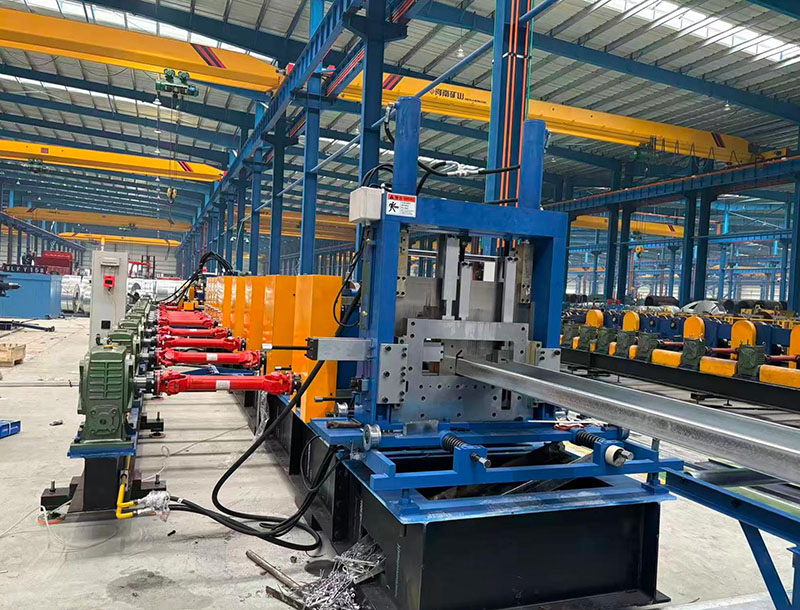
What Are Purlins?
Purlins are horizontal members placed on roof frames or beams that support roof panels or wall panels and transfer loads to the main structure.
While traditional buildings mainly used wooden purlins, steel purlins have become the preferred choice in modern industrial buildings and large-scale constructions because they offer higher strength, fire resistance, and durability.
Advantages of Steel Purlins in Buildings
Steel purlins have several advantages compared to wooden purlins, making them widely used in modern building structures.
High Load-Bearing Capacity
Steel purlins provide high bending and compressive strength, which allows them to support large-span roofs and heavy roofing materials.
Their high strength makes the structure more stable while reducing the need for intermediate supports, which increases usable space and suits factories, warehouses, and large public buildings.
Fire Resistance and Corrosion Protection
Steel is not flammable, and when coated with galvanization or paint, it resists corrosion and rust.
Compared to wooden purlins, steel purlins last longer in humid or outdoor environments, enhancing overall building safety and reducing maintenance costs.
Fast Installation and Standardization
Steel purlins are manufactured with high precision and consistent dimensions, so they can be installed on site with simple bolted connections.
The standardized design improves construction efficiency, allows integration with prefabricated roof and wall panels, shortens construction time, and reduces labor costs, which makes projects more economical.
Where Are Purlins Used in Buildings?
Purlins are mainly used in roof and wall structures, where they support panels, transfer loads, and improve structural stability. Common application areas include the following:
Roof Systems
This is the most common application of purlins. They are usually installed between steel beams or main steel frames to support roofing materials such as steel sheets and sandwich panels.
Purlins transfer dead loads, wind loads, and snow loads from the roof to the main structure. By arranging the spacing properly, they can improve the overall stability of the roof and reduce panel deformation.
Roof purlins are widely used in industrial workshops, warehouses, and stadiums that require large span structures.
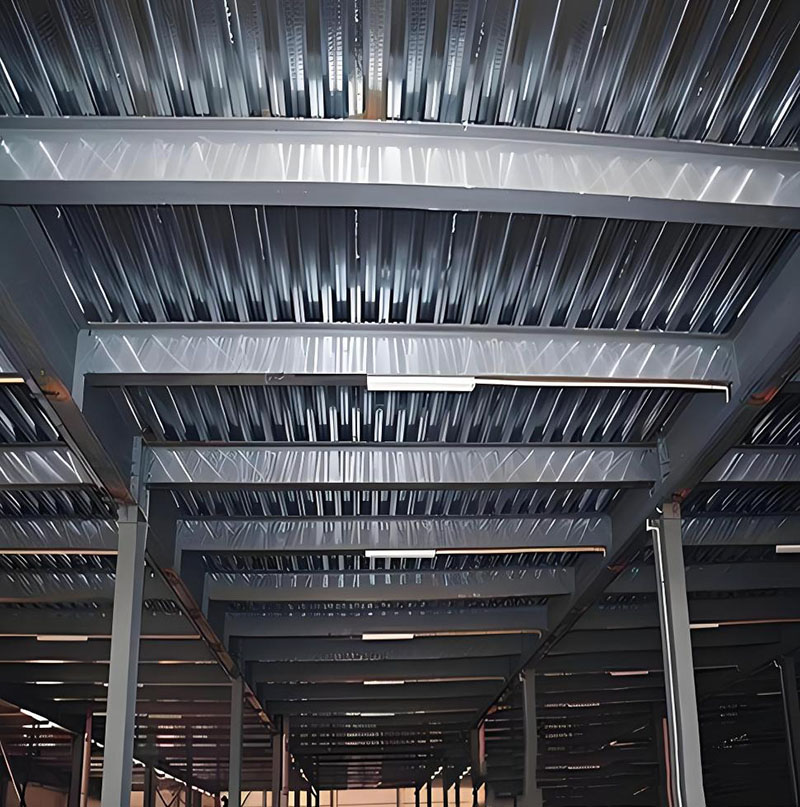
Wall Systems
In steel structure buildings, purlins are also widely used in wall systems. They are commonly installed between steel columns to support wall panels and strengthen wall stability.
Wall purlins can improve wind resistance, reduce wall deformation, and provide support for doors, windows, and daylighting panels, which makes them common in industrial and commercial buildings.
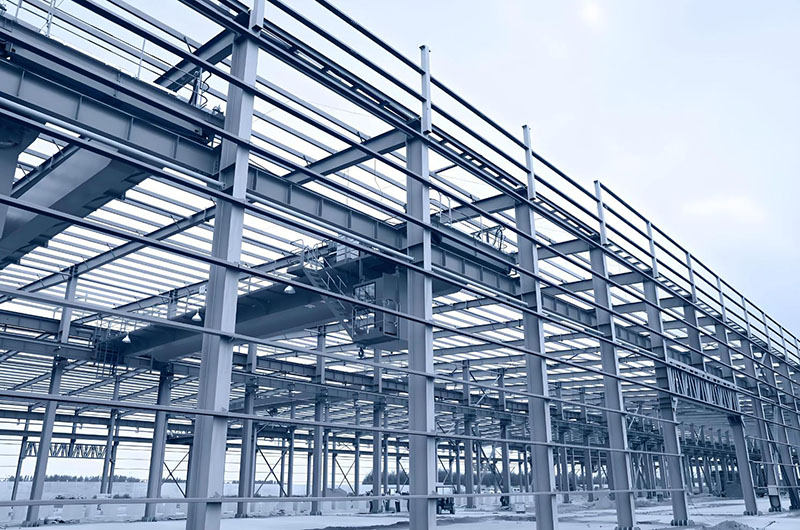
Large Span Steel Structure Buildings
Buildings such as logistics centers, exhibition halls, and aircraft hangars usually require large indoor spaces, so they have high demands for structural span and stability.
Purlins can reduce the overall structural weight while maintaining load bearing capacity, which helps improve construction efficiency and economic performance.
In large span roofs, Z section purlins are widely used because they offer good bending resistance.
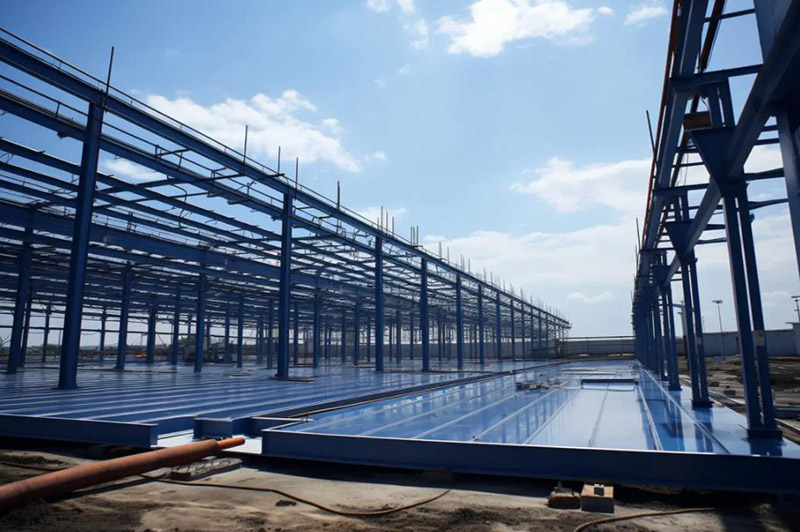
What Are the Common Types of Purlins in Modern Buildings?
Steel Purlins
Steel purlins are the most widely used type in modern construction and are commonly found in industrial workshops, warehouses, and logistics centers.
They provide high strength, light weight, and convenient installation, which allows them to meet the load requirements of large span buildings.
Common types include C section purlins and Z section purlins, while Z section purlins are more suitable for continuous overlapping and large span structures.
Galvanized Steel Purlins
Galvanized steel purlins are produced by adding a zinc coating to standard steel purlins so that corrosion resistance can be improved.
They are suitable for humid, high temperature, or corrosive environments such as agricultural buildings, coastal factories, and chemical plants.
The galvanized layer can extend service life and reduce maintenance costs.
Aluminum Alloy Purlins
Aluminum alloy purlins are lightweight and have good corrosion resistance, so they are often used in projects that require reduced structural weight, such as exhibition halls, lightweight roof structures, and prefabricated buildings.
Although their load bearing capacity is usually lower than that of steel purlins, they provide good weather resistance and an attractive appearance, which allows them to be used in certain specialized buildings.
Factors to Consider in Purlin Design in Buildings
Designing purlins requires consideration of load, span, materials, and environmental conditions to ensure that the structure remains safe and stable.
Load Requirements
Design should account for roof self-weight, snow, wind, and equipment loads. Proper calculation of purlin stress ensures that they can withstand all types of loads and maintain acceptable deflection, which keeps the roof structure stable.
Span and Spacing
Purlin span and spacing affect their load distribution. Larger spans require higher strength sections or closer spacing to maintain roof panel flatness and structural stability, preventing excessive bending or local failure.
Material Selection
Steel, aluminum, or composite purlins should be chosen based on corrosion resistance, durability, and budget. High-strength steel suits large-span structures, while corrosion-resistant materials are better in humid or coastal areas to ensure longevity.
Building Environment
Environmental conditions affect purlin design. Coastal areas require rust protection, cold regions require consideration of snow loads, and high-humidity interiors require corrosion protection to maintain performance over time.
Cost Efficiency
Material cost, construction efficiency, and maintenance expenses should be balanced while meeting structural and functional requirements to achieve an optimal combination of economy and reliability.
Purlin Installation Considerations
Construction quality directly affects purlin performance and structural safety.
Installation Accuracy
Purlins must be installed level and straight with uniform spacing, with deviations controlled within allowable limits.
Accurate installation ensures flat roof panels, tight joints, and prevents local stress concentrations or deformation, which maintains roof stability and appearance.
Corrosion Protection
Steel purlins should be galvanized or coated before installation, with uniform thickness and no damage. Proper corrosion protection prevents weakening of the section due to rust, which prolongs the life of the purlins and roof structure.
Connection of Joints
Purlin connections to beams and columns must be secure, with bolts sized, spaced, and tightened according to design requirements.
Proper connections maintain structural continuity and prevent loosening, displacement, or detachment, ensuring overall stability and safety.
How to Choose a Supplier for Purlin Design and Installation?
Consider the following when selecting a supplier:
- Certification: Make sure the supplier has steel structure design and construction qualifications.
- Project Experience: Prefer suppliers with experience in similar projects.
- Design Capability: Look for suppliers who can provide reasonable structural plans and optimization suggestions.
- Construction Quality: Evaluate their construction techniques, installation accuracy, and safety management.
- After-Sales Service: Ensure they provide timely maintenance and problem resolution after construction.
Conclusion
Purlins support roofs and walls and their type and application affect building stability and cost. Proper design, appropriate material selection, and quality installation ensure long-lasting performance.
Metoform can handle both design and installation. If you have purlin-related needs, please visit our homepage for consultation.
FAQs
Q: What is the difference between a purlin and a beam?
A: Purlins support roof panels, while beams carry overall loads and transfer them to columns.
Q: Are C-shaped purlins suitable for large-span buildings?
A: No, Z-shaped purlins are recommended for large spans.
Q: Do steel purlins require corrosion protection?
A: Yes, galvanisation or coating extends their service life.
Q: Should purlin spacing be carefully controlled during installation?
A: Yes, even spacing ensures roof panel flatness and uniform load distribution.
Q: How should a purlin supplier be selected?
A: Consider certification, experience, design capability, construction quality, and after-sales service.

Product Recommendation


How can we assist you?
Tell us a bit more so we can route your request to the right expert.
Sign Up For Our Newsletter
Subscribe to our newsletter for product promos, news, and more.