
What Are Purlins and What Are They Used For?
Purlins are longitudinal horizontal members or beams used for structural support in buildings. They also help enhance a building’s resistance to strong winds and earthquakes.
Galvanized steel is commonly used to manufacture purlins, as the galvanization process helps prevent corrosion and rust.
Additionally, steel is a widely popular construction material due to its lightweight, durability, strength, and effective resistance to termites and other pests.
What Is a Purlin?
A purlin is a horizontal load bearing component in a roof structure. It is usually installed on roof trusses or steel beams to support roof panels and transfer roof loads to the main structure.
Simply put, a purlin is part of the roof frame, which helps improve the stability and load bearing capacity of the roof.
Steel purlins are the most common type used in modern buildings because they have high strength, light weight, and easy installation, which makes them widely used in steel structure projects.
What Types of Steel Purlins Are There by Section Shape?
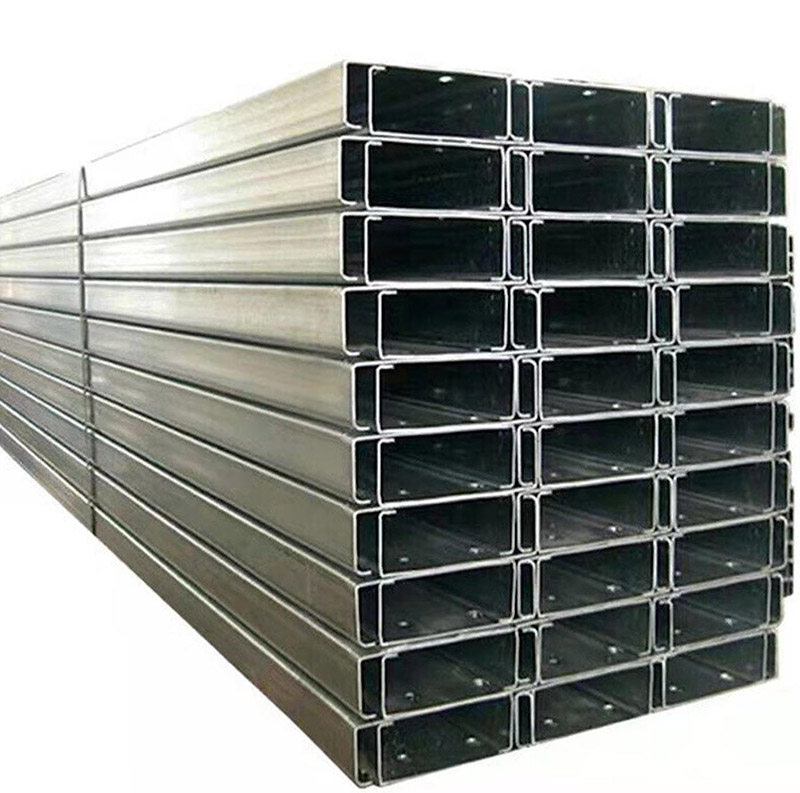
C Section Purlins
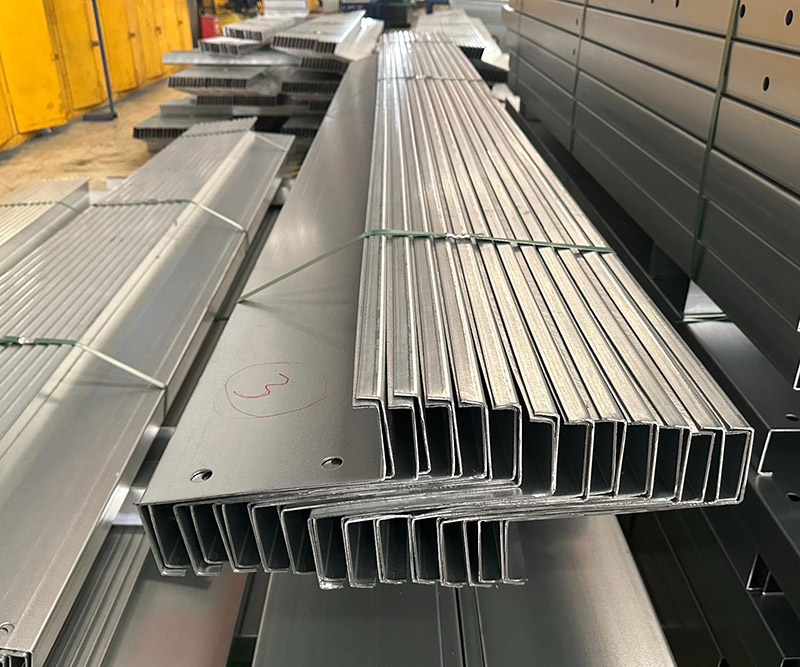
C section purlins are one of the most widely used purlin types in steel structure buildings. Their section shape looks like the letter C.
This type of purlin has light weight, strong load bearing capacity, and convenient construction, which makes it suitable for industrial workshops, warehouses, and light steel buildings.
During installation, C section purlins are easy to connect, which can reduce construction time and lower the overall building cost. Since they come in many specifications, they can meet the needs of different spans and load conditions.
Z Section Purlins
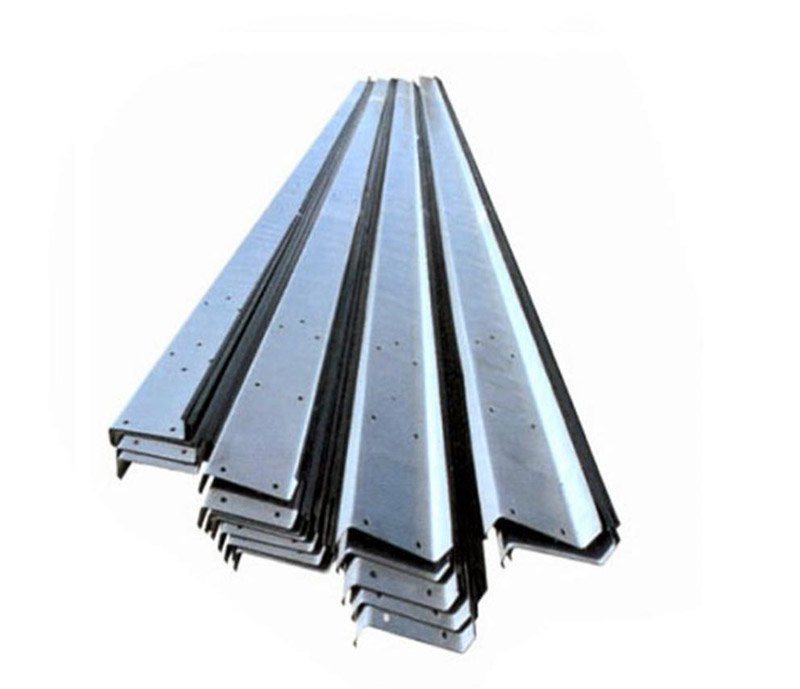
Z section purlins are steel structural components whose section shape looks like the letter Z. Their main feature is that they can be overlapped during installation, which helps improve the stability of the whole structure.
Compared with C section purlins, Z section purlins are more suitable for large span buildings, such as large factories, logistics warehouses, and stadiums. Since they have stronger bending resistance, they perform more steadily under heavier loads.
In addition, Z section purlins can reduce steel consumption while maintaining strength, which helps lower project costs.
H Section Purlins
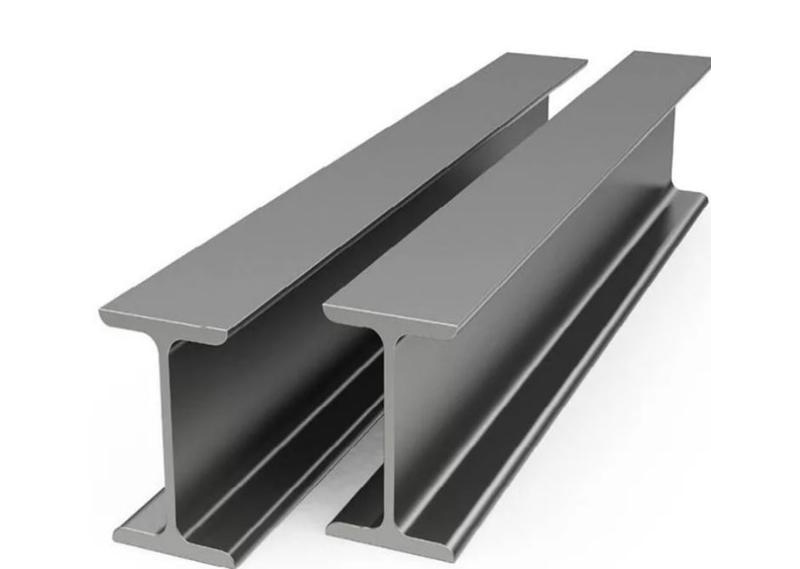
H section purlins are a type of purlin with strong load bearing capacity. Their section shape looks like the letter H, which gives them higher compression resistance and bending resistance.
This type of purlin is usually used in large heavy industrial buildings, high rise steel structures, and projects that need to bear greater loads.
Although H section purlins are relatively heavier, they offer better stability and safety, which allows them to be used for a long time in harsh environments. They also have good durability, so they are also used in some large public buildings.
What Is Purlin Span?
Definition of Purlin Span
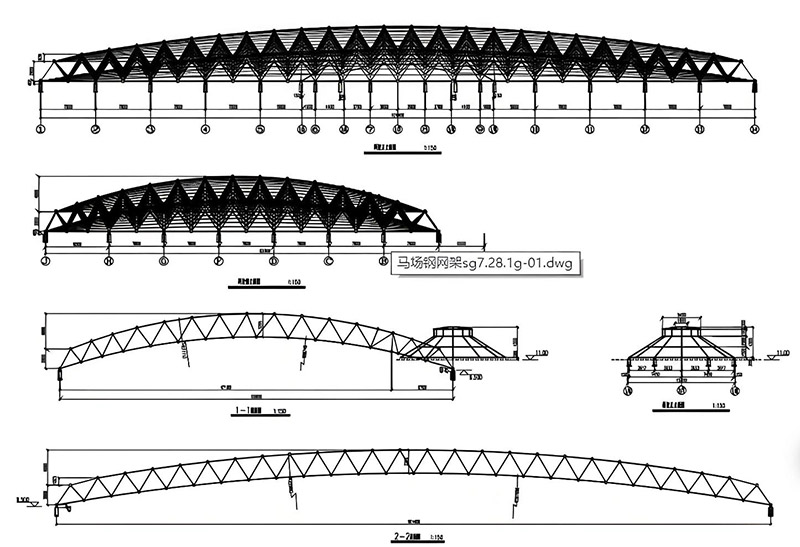
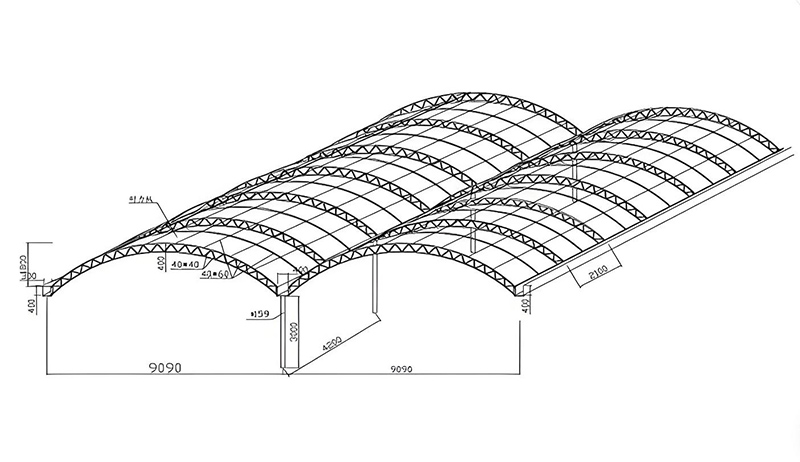
Purlin span refers to the horizontal distance between two supporting structures, which is usually the length between the two support points of a purlin.
The span directly affects the load bearing capacity and stability of the purlin, so it should be considered carefully during building design. Generally, the larger the span is, the greater the bending force and load that the purlin needs to bear.
Therefore, stronger materials and more suitable specifications should be selected. Designers usually determine the proper purlin span according to building use, roof load, and construction requirements.
How Purlin Span Affects a Building?
Purlin span directly affects the safety and stability of the entire building structure. When the span is not designed properly, the purlin may deform, the roof may sag, and the service life of the building may be reduced.
A larger span can reduce the number of purlins, but it also increases the load demand on each purlin. Therefore, in actual projects, cost, strength, and construction difficulty should all be considered.
A reasonable span design can improve building stability while helping save steel and construction costs.
Where Are Purlins Commonly Used?
he main use of purlins is to support roof panels and transfer wind loads, snow loads, and other external pressures from the roof to steel beams or the main structure. In addition, purlins can improve the overall stability of the roof and help prevent roof deformation or sagging.
In steel structure buildings, purlins affect building safety, construction efficiency, and service life. Therefore, they are an indispensable part of the roof structure.
Industrial Workshop Buildings
Industrial workshops often require large spans and strong load-bearing structures. Steel purlins effectively support roof panels and enhance structural stability, making them ideal for industrial environments.
Their quick installation also shortens construction time and reduces costs. High-strength steel purlins are generally preferred for durability.
Warehouses and Logistics Centers
Warehouses and logistics centers demand wide indoor spaces and stable structures. Purlins support roof and wall systems, ensuring overall safety.
Z-section purlins are popular in large warehouses for their bending resistance. Using steel purlins reduces building weight and improves construction efficiency.
Agricultural and Livestock Buildings
Steel purlins are well-suited for greenhouses, livestock farms, and storage buildings due to their light weight, ease of construction, and durability.
They resist corrosion better than wood, withstand humid and hot conditions, and improve wind resistance, supporting long-term use.
How Should Purlins Be Installed?
Preparation
Before installation, check steel beam positions, purlin specifications, and tools. Inspect purlins for deformation or rust, and mark positioning lines according to the drawings to ensure correct placement.
Installation
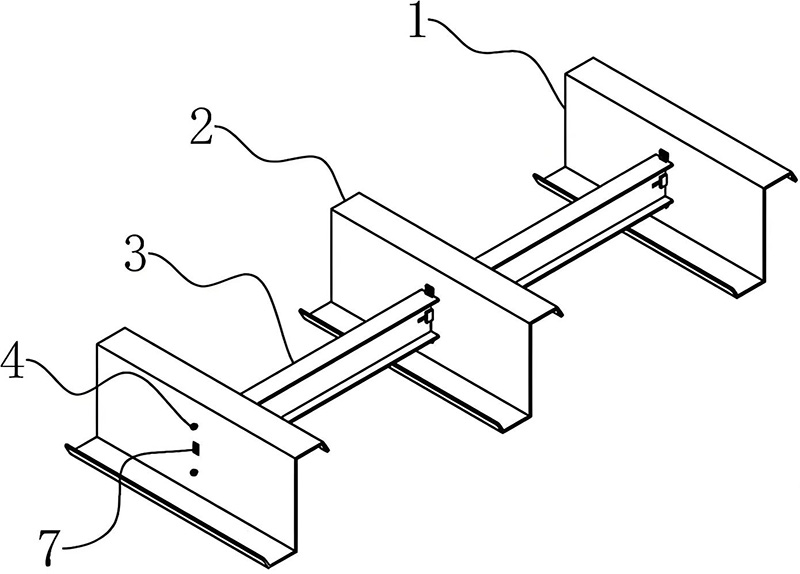
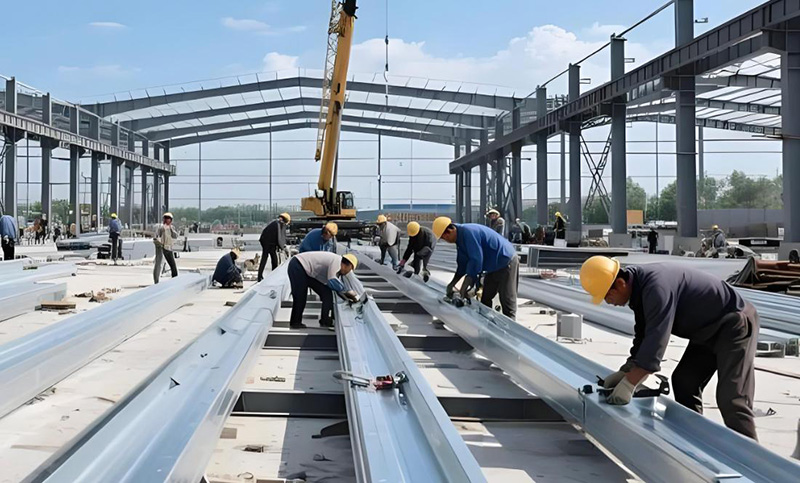
Purlins are typically fixed with bolts, sometimes welded. Adjust spacing and orientation to match design requirements, and ensure firm connections with steel beams. Large spans may require tie rods or additional supports for stability.
Inspection
After installation, verify connection firmness, level alignment, and absence of deformation. Correct any issues promptly. Inspect the anti-corrosion layer to ensure long-term durability.
How to Choose the Right Purlins?
Choose According to Building Span
When choosing purlins, the building span should be considered first, because the span directly affects the load bearing capacity of the purlin.
Generally, C-section purlins can be used for small span buildings, while Z-section or H section purlins are more suitable for large span buildings. Proper span matching can ensure structural safety while reducing steel waste and lowering overall project costs.
Therefore, in actual projects, designers usually make professional calculations based on span data.
Load Requirements
Different buildings bear different loads, so purlin specifications should be selected according to actual project needs. For example, in areas with strong wind or heavy snow, purlins need higher bending resistance and compression resistance.
At the same time, the weight of roof materials, equipment loads, and construction conditions can also affect purlin selection. Only by choosing suitable specifications according to real load requirements can the building remain stable and safe during long term use.
Environmental Conditions
The building environment also affects purlin selection, because humid, coastal, or high temperature environments may speed up steel corrosion.
Therefore, in special environments, galvanized steel purlins or purlins with anti corrosion coatings are usually selected to improve durability. In some chemical buildings, special materials with stronger corrosion resistance may also be used.
By considering environmental conditions properly, the service life of purlins can be extended, and later maintenance costs can be reduced.
Conclusion
Although purlins are basic components in a building, they have a strong influence on roof stability and building safety.
Whether they are used in industrial workshops, warehouses, or agricultural buildings, choosing the right purlin type and installation method can improve building quality and service life.
FAQs
Q: What materials are commonly used for purlins?
Galvanised steel purlins are the most common type, while wood purlins and aluminium alloy purlins are also used in some projects.
Q: What is the difference between C-section purlins and Z-section purlins?
C-section purlins are suitable for small span buildings, while Z section purlins are more suitable for large span projects.
Q: What is the main use of purlins?
They are mainly used to support roof panels and transfer roof loads.
Q: Will purlins rust?
Ordinary steel purlins may rust, so they are usually treated with galvanizing for corrosion protection.
Q: What should be considered during purlin installation?
The connections should be firm, the spacing should be reasonable, and the overall structure should be flat and stable.

Product Recommendation


How can we assist you?
Tell us a bit more so we can route your request to the right expert.
Sign Up For Our Newsletter
Subscribe to our newsletter for product promos, news, and more.