• Search
  • Language EN

What Is a Standing Seam Machine and How It Works in Metal Roofing?

A vertical joint forming machine is a roll forming system used to produce metal roofing panels with raised joints. These joints conceal fasteners and improve weather resistance.It uses a series of rollers to form metal coils into continuous panel profiles, ensuring consistent quality and dimensional accuracy.

These machines are available in both factory-produced, high-volume models and portable, on-site forming versions, making them widely used in residential, commercial, and industrial roofing projects.

Vertical joint forming machines (also known as roll forming machines or metal roofing panel machines) are used to produce metal roofing and wall panels. They utilize steel rollers to shape sheet metal into vertical joints or other types of metal roofing or wall panels. Profile rollers roll flat metal from coils into specific shapes, such as snap-fit, mechanical joints, or wall panels.

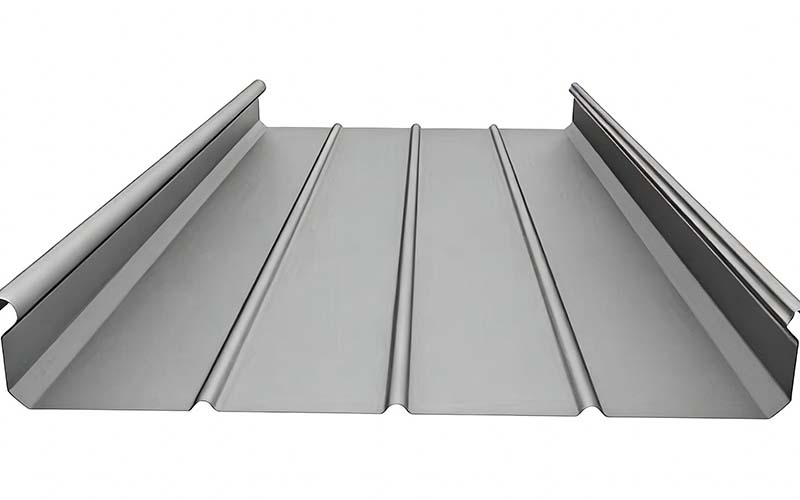
Standing Seam Machines

In this article, you will learn about the types of vertical joint forming machines and how to use them so you can determine which option is best for your operation.

What Are Standing Seam Panels?

Vertical joint metal roofing systems are characterized by raised, vertical seams that run continuously along the length of the roof. These seams connect adjacent roof sections and conceal fasteners beneath the roof surface.

This design offers a clean appearance and better protection against water seepage. With no exposed fasteners, the risk of leaks is significantly reduced compared to traditional roofing systems.

Vertical joint metal roofing systems are widely used in residential and commercial buildings. They are known for their long service life, weather resistance, and ability to adapt to thermal expansion and contraction. The raised seams allow the roof to expand and contract naturally without compromising the integrity of the roofing system.
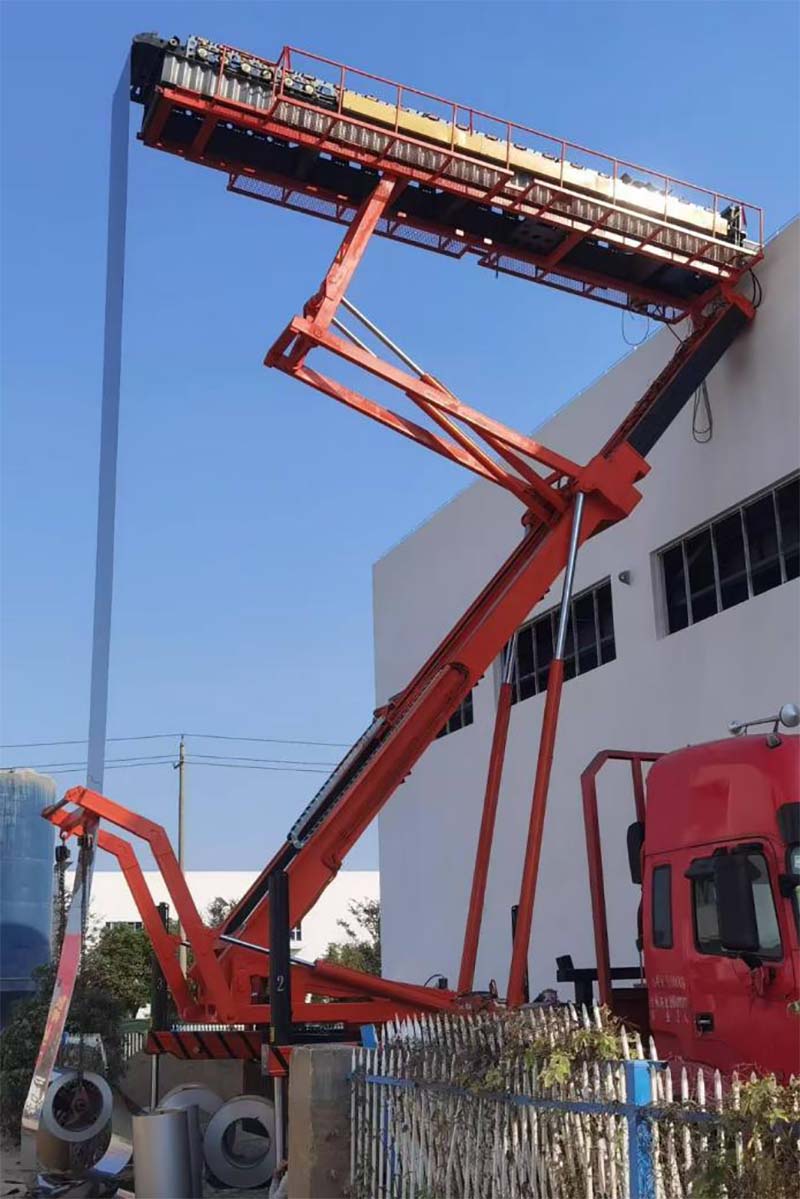
Standing Seam Machines

Another advantage is the ability to produce long, continuous roofs. Using roll forming technology, roofs can be customized in length, reducing the number of seams and improving overall performance.
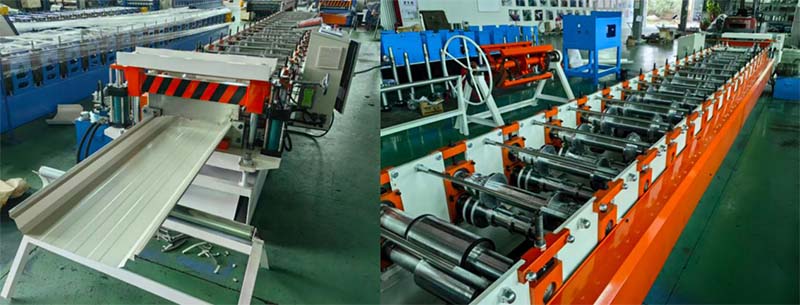
Standing Seam Panels

Which Standing Seam Profile Is the Best?

No single profile is suitable for all projects. The optimal vertical joint profile depends on the architectural design, climate conditions, and installation requirements.

Snap-fit Profiles

These profiles allow for panel installation without mechanical splicing, thus speeding up installation and increasing efficiency. They are commonly used in residential and light commercial projects where speed and ease of use are crucial.

Mechanically Locking Profiles

This system requires a splicing process to lock the panels together, creating a tighter connection. It is often used in areas with heavy snow and wind due to its superior resistance to extreme weather.
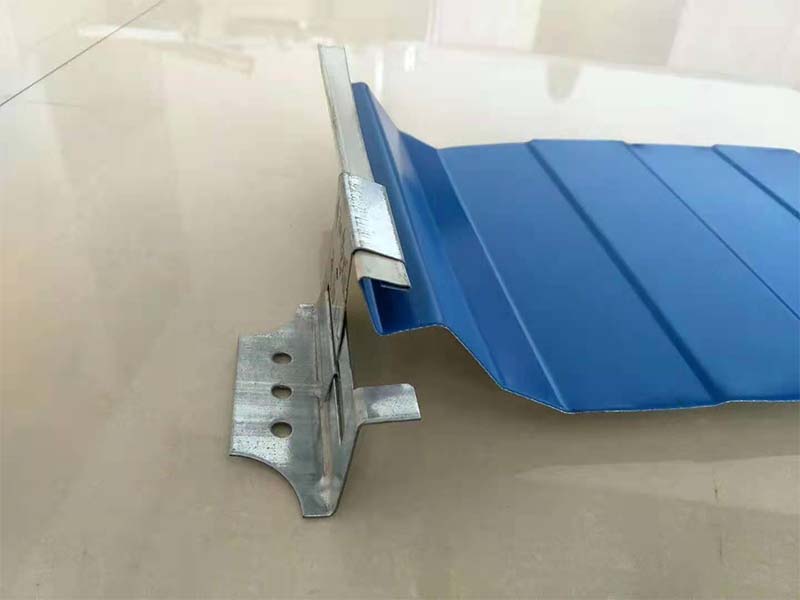
Standing Seam Profile

Slatted Vertical Joint Systems

These have a more traditional appearance, using cover plates to conceal the joints, creating a distinctive architectural style. This type of profile is typically used in projects where visual design is critical.

Choosing the right profile requires striking a balance between performance, aesthetics, and installation efficiency. Manufacturers using advanced roll forming equipment can produce a variety of profiles to meet diverse market demands.
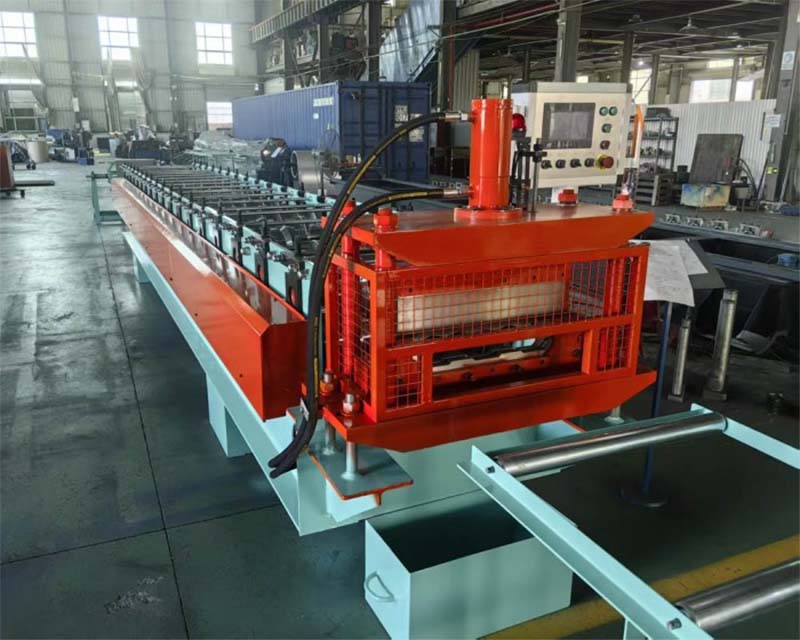
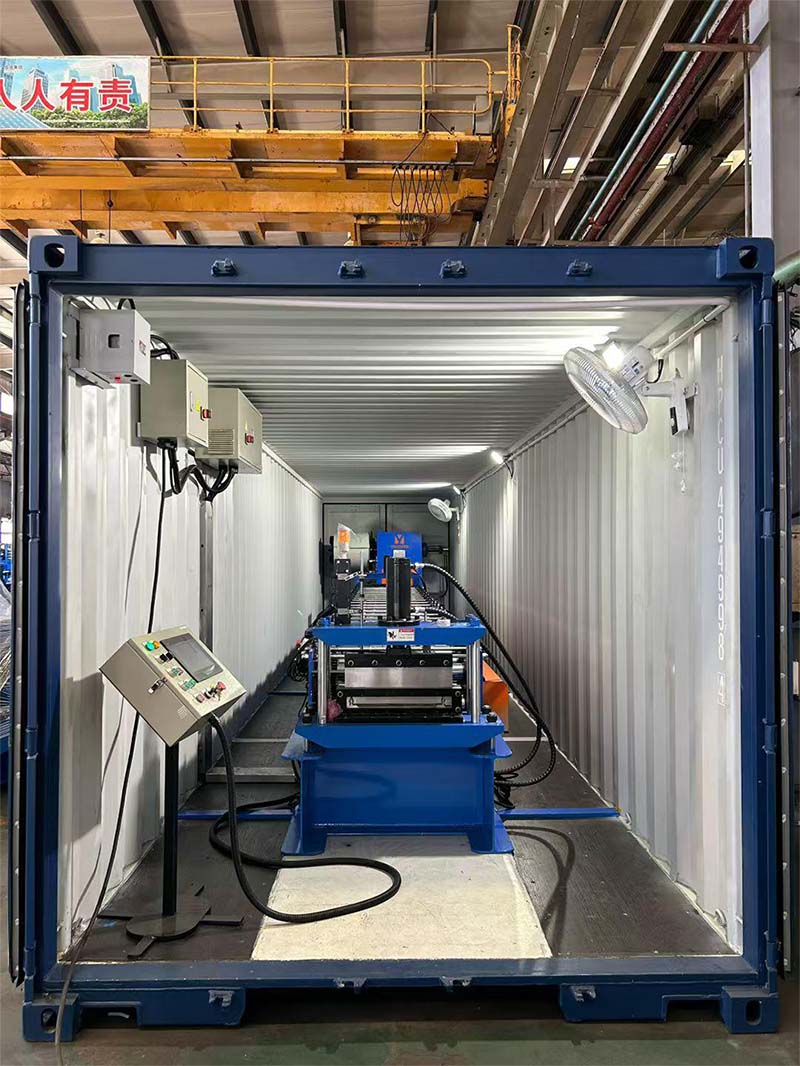
standing seam roll forming

Types of Standing Seam Machines

A standing seam machine is a roll forming system used to produce metal roofing panels with raised seams. It shapes flat metal coils into interlocking profiles through a continuous process, ensuring consistent panel quality and performance.

Machine Type Description Key Features Advantages Best Use Scenarios
In Plant Standing Seam Machine Designed for factory based production with larger size and higher capacity Stable operation, wide profile compatibility, advanced control systems High production efficiency, consistent quality, suitable for continuous manufacturing Large scale manufacturing, industrial production facilities
Portable Standing Seam Machine Compact machine designed for on site panel production Easy transportation, flexible setup, adjustable panel length Reduces transportation cost, enables custom panel lengths, improves installation efficiency Construction sites, remote projects, custom roofing applications

Standing Seam Machines

Which Standing Seam Machine is Best for Me?

Choosing the right vertical seam forming machine depends on several key factors.

Output

Manufacturers with high output requirements typically choose in-plant vertical seam forming machines because they are efficient and have high capacity. Contractors undertaking specific projects may prefer portable forming machines because they are more flexible.

Sheet Profiles

Different projects require different seam patterns and sheet designs. Forming machines that can support multiple profiles are more versatile and help meet diverse customer needs.

Sheet Profiles

Material Type

The forming machine must be compatible with the metals used in production (such as steel or aluminum). Proper configuration ensures stable forming and consistent sheet quality.

Automation

Advanced systems equipped with automated controls can improve production efficiency and reduce errors, making them suitable for large-scale production.

Metoform offers vertical seam roll forming machines designed specifically to meet these different needs. Their equipment can handle different materials and profiles while providing precise and reliable performance. By choosing the right machine, manufacturers and contractors can improve production efficiency, reduce waste, and ensure high-quality roofing systems.

Conclusion

Choosing the right roll forming machine depends on your goals, business size, and budget. If you are currently sourcing factory-produced sheet metal, a portable roll forming machine is likely to provide a return on investment in your very first project.

If you plan to engage in large-scale sheet metal production, then the significant investment in an in-plant roll forming machine may be worthwhile.

For more information on portable roll forming machines, please visit our machine page. For more information on Metoform portable roll forming machines and accessories, please contact our experienced account managers.

FAQ

Q What is a standing seam machine used forA standing seam machine is used to form metal coils into roofing panels with raised seams. These panels are designed to provide weather resistance and a clean appearance.

Q What is the difference between snap lock and mechanical lock panels

Snap lock panels are installed without additional seaming, making them faster to install. Mechanical lock panels require a seaming process, which creates a stronger and more secure connection.

Q Why are standing seam panels popular in modern construction

They offer durability, weather resistance, and a clean appearance. The concealed fastening system also reduces the risk of water leakage.

Q Can standing seam panels be produced on site

Yes, portable roll forming machines allow panels to be produced directly at the construction site. This reduces transportation challenges and allows for custom panel lengths.

Q How do I choose the right standing seam machine

The choice depends on production volume, panel design requirements, and material type. Factory machines are suitable for large scale production, while portable machines are better for project based work.

How can we assist you?

Tell us a bit more so we can route your request to the right expert.

    Sign Up For Our Newsletter

    Subscribe to our newsletter for product promos, news, and more.

      >