
What Is R Panel Roofing?
As metal roofing is widely used in industrial, agricultural, and commercial buildings, R Panel Roofing has become a popular choice for many construction projects. It offers strong weather resistance, good economy, and a long service life.
So, what is R panel roofing, what benefits does it offer, and where is it best used? This article will help you understand R Panel Roofing in detail.
What Is R Panel Roofing?
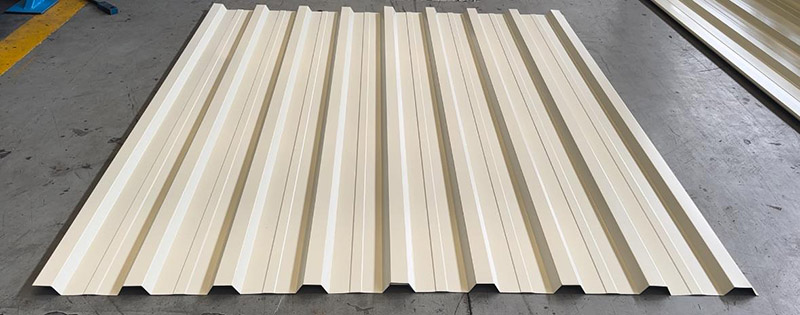
R Panel Roofing is a common metal roofing system that is usually made from galvanized steel or Galvalume steel. It features a regular high ribbed profile, which improves roof strength and water drainage.
Because of this design, it is widely used in factories, warehouses, agricultural buildings, and commercial buildings. R panels are usually installed with exposed fasteners, which makes installation simple and helps reduce overall costs.
How Thick Are R Panels?
Common R panel thicknesses are usually 26 gauge and 29 gauge. The 26 gauge panel is thicker and stronger, which makes it suitable for buildings that require better durability. The 29 gauge panel is more economical and is often used for general storage buildings or agricultural projects.
Some higher grade projects may choose 24 gauge panels to get better wind resistance and impact resistance. The choice of thickness usually depends on building use, budget, and local climate conditions.
What Are the Advantages of R Panels?
Excellent Durability
One of the main advantages of R panels is their excellent durability, which makes them very suitable for long term outdoor use. Since R panels are usually made from galvanized steel or Galvalume steel, they can resist rain, sunlight, and corrosion effectively.
Even under high temperatures, heavy rain, or strong winds, R panel roofs can maintain a stable structure and are not easy to crack or deform. For industrial and agricultural buildings, this durability can help reduce later maintenance costs and extend the overall service life of the roof.
Relatively Low Installation Cost
Compared with Standing Seam Roofing, R panels are easier to install, so the overall construction cost is usually lower. R panels use an exposed fastener system, which does not require a complex hidden clip system, so the installation process is faster and can reduce labor costs.
In addition, the material cost is relatively economical, which makes R Panel Roofing a practical choice for large buildings with limited budgets. For warehouses, factories, and farms, R Panel Roofing offers strong value for money.
Good Waterproofing and Drainage Performance
The high ribbed design of R panels can improve roof drainage, which is one reason why they are widely used in large buildings. The ribbed profile helps guide rainwater quickly toward the drainage system and reduces the risk of water accumulation.
When installed correctly, the overlapping areas between panels can form a stable connection that helps reduce leakage problems. In areas with frequent rainfall, R panel metal roofing can provide reliable waterproof protection.
What Is the Difference Between R Panels and Other Panel Types?
PBR Panels
PBR panels are very similar to R panels in appearance, but there are clear differences in structural design. PBR panels have an added support rib next to the main rib, which can improve load bearing capacity. Because of this structure, PBR panels are more suitable for buildings with larger spans.
Compared with standard R panels, PBR panels perform better in wind resistance and structural stability, so they are often used in large commercial buildings or industrial facilities. However, their cost is usually slightly higher.
U Panels
U panels are a more traditional type of metal panel, with shallower ribs and relatively lower structural strength. Compared with R panels, U panels are usually more suitable for wall systems rather than large roofing projects.
Although U panels are cheaper, their wind resistance and drainage performance are not as strong as R Panel Roofing. For buildings that need better durability and longer service life, R panels are usually a more suitable choice.
| Comparison Item | R Panels | PBR Panels | U Panels |
| Appearance | High rib profile | Similar to R panels | Lower rib profile |
| Structural Design | Standard ribbed design | Added support rib beside the main rib | Simpler shallow rib design |
| Strength | Strong | Stronger than R panels | Lower strength |
| Load Capacity | Good | Better | Limited |
| Wind Resistance | Good | Better | Moderate |
| Drainage Performance | Good | Good | Lower than R panels |
| Common Use | Roofs and walls | Large roofs and walls | Mainly walls and small projects |
| Best For | Industrial, agricultural, and commercial buildings | Large span commercial and industrial buildings | Budget wall systems |
| Installation | Easy | Easy, but slightly more demanding | Easy |
| Cost | Moderate | Slightly higher | Lower |
| Overall Choice | Good balance of cost and performance | Better for heavier duty projects | Better for low cost applications |
Is R Panel Expensive?
R panels are a metal roofing system with good value. Compared with high end standing seam roofs, R panels have lower material and installation costs, so they are very suitable for large building projects. The actual price will be affected by steel thickness, coating type, color, and project size.
Although the upfront cost may be higher than traditional asphalt shingles, the long service life and lower maintenance needs often make the long term cost more favorable.
Where Are R Panels Ideally Used?
Industrial Factory Buildings
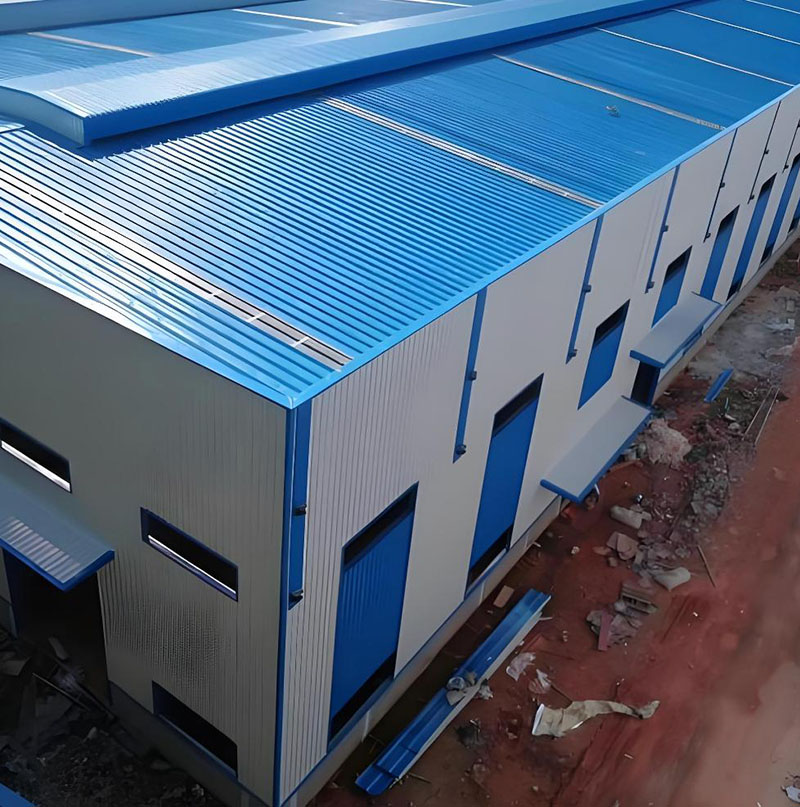
R panels are very suitable for industrial factory buildings because their strong structure can meet the needs of large span buildings. Industrial buildings usually require durability, wind resistance, and fast construction, and R Panel Roofing can meet these demands well.
In addition, metal roofing can reduce later maintenance frequency, which helps lower overall maintenance costs for factories that operate for many years. This makes R panels a popular roofing material for many industrial projects.
Agricultural Buildings
In the agricultural field, R panels are widely used for barns, livestock buildings, and farm equipment storage buildings. Agricultural environments often have high humidity, and the building area is usually large, so they need a roofing material that resists corrosion and remains economical.
R panel metal roofing can resist rain and sunlight while offering good drainage performance, which helps protect equipment, crops, and stored products inside the building. Because of these advantages, it is commonly used in agricultural construction.
Commercial Storage Buildings
Warehouses and logistics centers are also very suitable for R panel roofing systems. Since storage buildings usually cover large areas, roof cost control matters a lot in these projects.
R panels are fast to install, which can shorten the construction period, while their strong weather resistance and stability help protect goods inside the warehouse for many years. In addition, metal materials also offer a certain level of fire resistance, which makes them suitable for commercial storage projects.
How to Install R Panels?
Roof Base Preparation
Before installing R panels, the roof base should be flat and structurally stable. Installers usually check the roof frame, purlins, and waterproofing layer to avoid later structural problems. A stable base can improve installation efficiency and increase the overall service life of the roof.
When the base is uneven, it may affect panel overlap and increase the risk of water leakage, so preparation before installation should be handled carefully.
Panel Fastening Installation
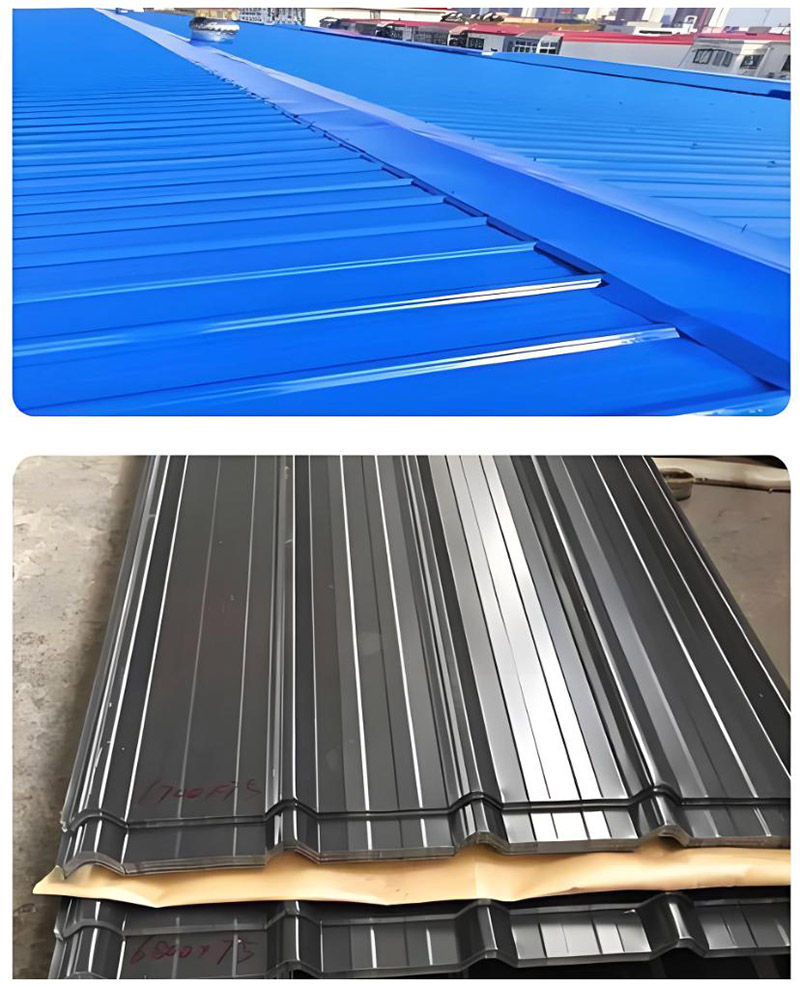
R panels are usually installed with exposed fasteners, which is one reason why their installation efficiency is high. During installation, workers lay the metal panels in the same direction and fasten them to the purlin structure with specialized screws.
To improve waterproofing performance, the screws are usually used with sealing washers, which help reduce the risk of rainwater penetration. Correct fastening can improve wind resistance and roof stability.
Trim and Waterproofing Treatment
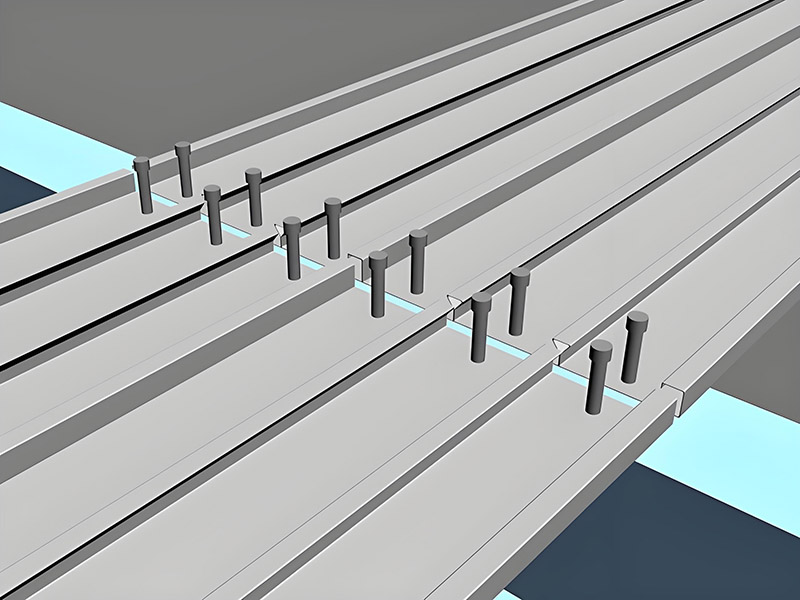
After the main panels are installed, trim and sealing work should be completed. This step usually includes installing metal trim at the ridge, eaves, and roof edges, while sealant is used to improve waterproofing.
Good trim treatment can improve the overall appearance and help prevent rainwater from entering the roof structure. For long term use, professional waterproofing treatment can greatly reduce later repair problems.
What Colors Are Available for R Panel Metal Roofing?
Classic Industrial Colors
The most common colors for R panel metal roofing include white, gray, dark brown, and Galvalume natural finish. These colors are often used for factories and warehouse buildings because they look clean, hide dirt well, and create a strong industrial style.
Light colored roofs can also reflect part of the solar heat, which helps lower indoor temperature, so they are popular in hot regions.
Popular Modern Residential Colors
As metal roofing becomes more common in residential buildings, more modern colors are now available. Black, dark blue, forest green, and brick red have all become popular choices for modern residential roofs.
These colors can improve the overall appearance of the building and match modern architectural styles more easily. For high end residential projects, custom colors are also becoming more common.
Custom Coating Colors
Many R panel manufacturers also offer custom colors and special coating options to meet different project needs. Fade resistant coatings, low glare coatings, and high corrosion resistant coatings can further improve roof performance.
Custom colors can not only improve building recognition, but also match commercial brand image design, so more commercial projects are choosing personalized color solutions.
Conclusion: Is R Panel Roofing Worth Choosing?
If you are looking for a durable, economical, and fast to install metal roofing system, R Panel Roofing is worth considering. For buildings that need stable long term performance and lower maintenance costs, R panels are a very practical roofing solution.
Metoform can produce many high quality R panel roofs in various colors. Welcome to visit our homepage for consultation.
FAQs
Q1 How long can R panels last?
They usually last 40 to 60 years, depending on material quality and maintenance.
Q2 Will R panel roofing rust?
High quality galvanized or Galvalume panels have good rust resistance, but corrosion may still occur without long term maintenance.
Q3 Are R panels suitable for residential buildings?
Yes, they are especially suitable for modern industrial style homes and country houses.
Q4 Does R panel roofing require frequent maintenance?
No, it does not require frequent maintenance, but regular checks of screws and sealed areas are recommended.
Q5 Are R panels more expensive than asphalt shingles?
The upfront cost is usually higher, but the longer service life and lower maintenance cost can make it more economical over time.

Product Recommendation


How can we assist you?
Tell us a bit more so we can route your request to the right expert.
Sign Up For Our Newsletter
Subscribe to our newsletter for product promos, news, and more.