
How to Choose an Impact Resistant Roof to Reduce the Disruption Caused by Hail?
In areas where hail occurs frequently, the roof is often the part of a home that is most likely to be damaged. A severe hailstorm can damage the roof structure, affect daily life, and lead to higher repair costs.
Therefore, choosing a roofing material with stronger impact resistance can reduce the trouble caused by hail and make the house safer and more durable.
How Does Hail Damage a Roof?
When hail falls at high speed, it creates strong impact on the roof. During severe convective weather, large hailstones may cause roofing materials to crack, dent, or even come loose.
After repeated hail exposure, the waterproof layer of the roof may also be damaged, which can lead to leaks, mold, and structural aging. If repairs are not made in time, small problems may gradually turn into more serious home damage.
How Can You Tell Whether a Roof Has Been Damaged?
Cracks or Dents on the Roof Surface
After a hailstorm, you should first observe whether there is visible damage on the roof surface. In many cases, hail impact can cause cracks, dents, or partial loosening on roof tiles, while older roofs are more likely to be affected.
If you notice uneven roof color, missing granules, or unusual marks on the surface, the roof may have suffered impact damage. Checking these details in time can help prevent leaks from becoming worse later.
Signs of Indoor Leaks
Besides inspecting the roof, the indoor environment can also help you determine whether the roof has been damaged. In general, water stains on the ceiling, yellowing walls, or a damp smell in the attic may indicate that the roof has started to leak.
In many cases, hail may not directly break through the roof, but it can damage the waterproof layer, which allows rainwater to gradually enter the home. Therefore, after a storm ends, checking the indoor area is also very helpful.
Observe Whether the Drainage System Looks Abnormal
After hail weather, the roof drainage system may also be affected. For example, gutters may collect a large amount of roof tile granules, metal fragments, or other material debris. These signs often mean that the roof surface has been damaged by hail.
In addition, clogged gutters may cause water accumulation, which can place more pressure on the roof. Therefore, checking the drainage system can help you understand the damage level and support later maintenance.
What Is an Impact Resistant Roof?
An impact resistant roof refers to a roofing system made with high strength materials that can withstand hail and outside impact more effectively.
This type of roof usually has better durability and crack resistance, which means it can reduce surface damage and leakage risks even under harsh weather conditions.
Common impact resistant roofing materials include metal roofing, modified asphalt shingles, and composite roofing materials.
How Is Impact Resistance Performance Rated?
Roof impact resistance is usually evaluated according to professional testing standards, among which UL 2218 is commonly used.
This test simulates the impact of ice balls of different sizes on roofing materials and classifies the materials according to the level of damage.
In general, Class 4 is considered the highest rating, which means the roof has strong hail resistance and is more suitable for areas where hail occurs frequently.
Benefits of Impact Resistant Metal Roofing
Improve Roof Durability
One major benefit of impact resistant metal roofing is that it can greatly improve the overall durability of the roof.
Compared with traditional materials, metal roofing is less likely to crack or come loose when hit by hail, and it can maintain stable performance even after repeated exposure to severe weather.
In addition, metal materials usually have strong corrosion resistance and a longer service life, which can reduce the financial burden caused by frequent repairs and replacement.
Reduce Repair and Maintenance Costs
After installing an impact resistant metal roof, homeowners can often reduce later repair expenses. Since high strength metal materials are less likely to suffer serious damage during hailstorms, frequent repairs or partial replacement are usually not needed.
In the long run, this saves maintenance costs and reduces the disruption to daily life caused by repair work. For long term living needs, it is a very practical investment.
Improve Overall Home Safety
A quality impact resistant roof can also improve the overall safety of a home. When hail or strong winds occur, a stronger roof can better protect the indoor structure and reduce the risk of leaks and collapse.
At the same time, a stable roofing system can help maintain indoor temperature and reduce the impact of outdoor weather changes. For families, a safer and more reliable roof can provide a more comfortable living experience.
How Should We Choose the Right Impact Resistant Roof?
Choose According to Local Climate Conditions
When choosing an impact resistant roof, you should first consider the local climate. If the area often experiences hail, strong winds, or heavy rain, you should give priority to roofing materials with a higher impact resistance rating.
For example, Class 4 roofing is usually more suitable for areas with frequent severe weather. Only by matching the roof with real climate needs can the protective value of an impact resistant roof be fully achieved.
Pay Attention to Roofing Material Quality and Certification
When choosing roofing materials, quality and professional certification should also be considered. High quality materials not only have better impact resistance, but they can also maintain stable performance during long term use.
When purchasing, you can focus on whether the product has passed relevant impact resistance tests and whether it has certification from a professional organization. This can help avoid later problems caused by poor material quality.
Consider Both Budget and Long Term Value
Many people only focus on the initial cost when choosing a roof, but long term value should also be considered.
Although high quality impact resistant roofing may cost more at first, it is often more economical over time because it is more durable and requires fewer repairs.
At the same time, a quality roof may also increase the overall value of the house, so choosing a more stable product within your budget is often a better choice.
Conclusion: Make Your Roof More Durable
Although hail weather cannot be avoided, choosing the right impact resistant roof can effectively reduce the risk of damage. Whether you want to improve home safety or reduce later repair costs, a high quality roof can provide more stable protection for family life.
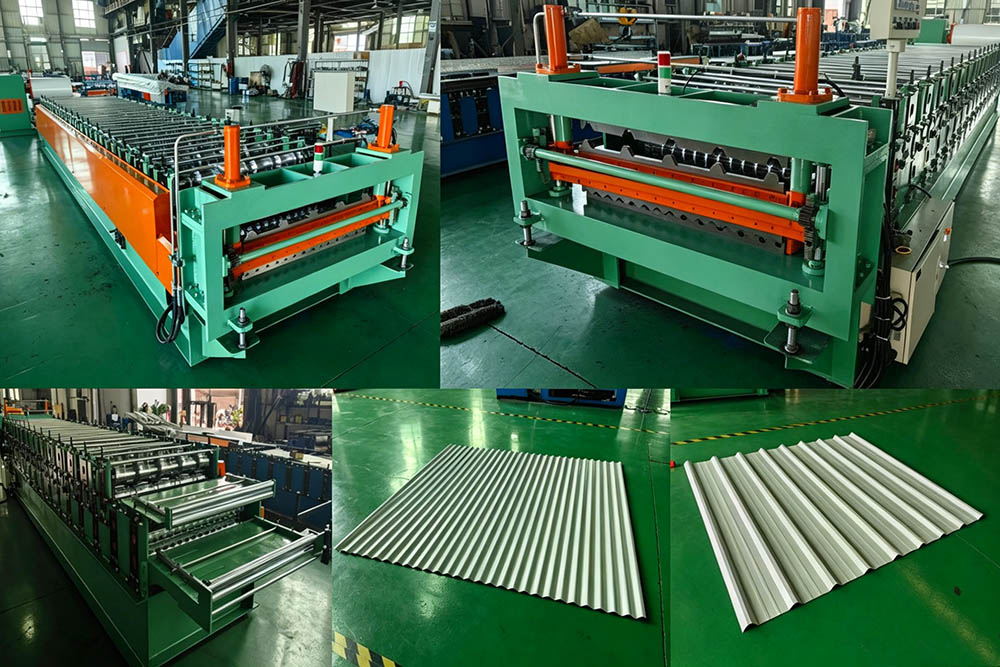
Metoform can produce high quality impact resistant roofing. You are welcome to visit the homepage for consultation.
FAQs
Q1 Can an impact resistant roof really prevent hail damage?
It can effectively reduce the risk of damage, but it cannot completely prevent the impact of extreme weather.
Q2 Which roofing material works best against hail?
Metal roofing and Class 4 rated materials usually have better impact resistance.
Q3 How soon should I inspect the roof after hail?
It is recommended to inspect the roof within 24 hours after the hailstorm ends.
Q4 Is impact resistant roofing more expensive?
It is usually slightly more expensive, but the long term maintenance cost is lower.
Q5 Should roof damage be repaired immediately?
Yes, timely repairs can prevent leaks and further structural damage.

Product Recommendation


How can we assist you?
Tell us a bit more so we can route your request to the right expert.
Sign Up For Our Newsletter
Subscribe to our newsletter for product promos, news, and more.