
Steel vs. Aluminum Metal Roofing Sheets: What Should I Choose?
People looking into metal options for a building often lump all materials together. In the building industry, the term “metal roofing” usually implies steel. Aluminum stands as a separate material entirely.
These two materials show clear differences in performance, pricing, and how they react to different environments. This guide breaks down both options to help you make a smart building decision.
What is Aluminum Roofing?
Aluminum roofing refers to a system built entirely from aluminum alloy panels. As a non-ferrous metal, aluminum possesses a natural ability to resist oxidation and rust.
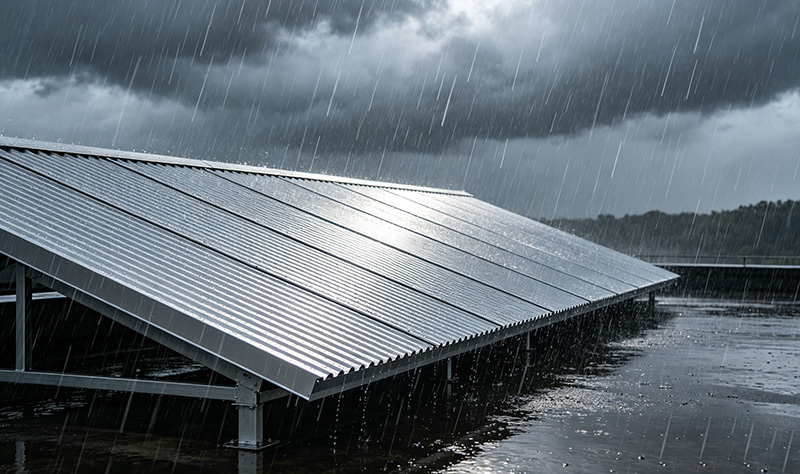
When this material meets the open air, its surface quickly creates a dense layer of aluminum oxide. This layer blocks moisture and air, and it can fix itself if it gets a minor scratch. Because of this, an aluminum roof delivers excellent longevity when facing harsh, wet climates.
What is Metal Roofing?
Metal roofing usually means steel, while aluminum remains a completely separate material. To prevent steel from rusting, manufacturers coat the steel panels with protective layers, such as dipping them in molten zinc or applying a mix of aluminum and zinc.

Steel roofing commands a massive market share globally because it offers great structural strength along with a highly accessible price point.
What Factors Do you Consider Before Buying?
Choosing between aluminum and steel involves weighing several factors tied to your building performance and location.
Climate and Environmental Conditions
Weather serves as a major deciding factor for your material choice. If your building sits near a coastline, in a rainy region, or in an area with acid rain, the salt and high moisture in the air will speed up steel rust.
Even with protective coatings, a steel roof will face a shorter lifespan in these areas.
Coastal environments get better protection from aluminum because the material naturally stops rust from starting. If the building sits in a dry, inland area, a steel roof provides more than enough defense against the elements.
Structural Weight and Strength
Aluminum and steel show a massive gap in both weight and strength. With aluminum weighing about one third of steel, the lighter material places far less stress on the building frame and cuts down on reinforcement expenses during old home remodels.
Steel brings a much higher density to the table, meaning it can take a beating from heavy hail or windborne debris. For structures that face severe storms or regular foot traffic from maintenance crews, steel keeps its shape without denting.
Budget and Long Term Cost
Financial planning always shapes a construction project. Looking at the upfront purchase price, aluminum panels cost about twenty to thirty percent more than steel panels.
Steel helps keep upfront costs low when you work within a tight initial budget. However, if you calculate the costs over a multi-decade lifecycle, aluminum often saves money over time because it demands almost no maintenance and lasts longer.
Aesthetics and Style Preferences
Aluminum is a highly malleable metal, which allows manufacturers to shape it into complex modern geometries and unique standing seam profiles.
This gives contemporary architectural projects the exact look they need. Modern paint technology allows both aluminum and steel roofs to feature a wide range of colors that fit various architectural styles.
Environmental Impact
Both options count as green building materials. They are fully recyclable at the end of their lifespan, meaning they will not end up in landfills like traditional asphalt shingles.
Additionally, aluminum cools down faster than steel. During hot summer months, an aluminum roof sheds absorbed heat quickly to keep indoor spaces cooler and lower cooling bills.
Aluminum vs Steel Performance Comparison
To help you see the differences clearly, this table summarizes how the two materials perform across major categories.
| Performance Category | Aluminum Roofing | Steel Metal Roofing |
| Rust Resistance | Outstanding, resists salt spray, never rusts | Good, relies on coatings, can rust near coasts |
| Material Weight | Extremely light, one third the weight of steel | Heavy, places more weight on the building frame |
| Impact Resistance | Moderate, can dent under large hail | High, tough surface resists heavy impacts and dents |
| Upfront Cost | Higher premium, represents a premium investment | Lower cost, fits standard construction budgets |
| Maintenance Cost | Low, requires almost no attention over decades | Moderate, may need recoating to prevent rust later |
When to Select Aluminum Roofing?
Based on the points above, an aluminum roof fits your project best if you match the following scenarios:
- The building stands near the ocean and must survive constant salt air and humidity.
- The project is a renovation of an older structure that cannot support a heavy roof load.
- The property sits in a region with high rainfall or heavy industrial air pollution.
- You prioritize long term asset protection and want a roof that you can ignore for decades.
When to Select Steel Metal Roofing?
On the other hand, traditional steel metal roofing makes the most sense if your project fits these descriptions:
- The property sits in a dry inland area far away from coastal salt water threats.
- The project has a strict upfront budget and needs a cost-effective metal option.
- The area faces frequent severe hail, high winds with flying debris, or regular roof foot traffic.
Conclusion
Your choice depends entirely on your local climate and budget. MetoforM supplies a wide selection of metal roofing, offering high-strength steel panels for heavy impact resistance alongside lightweight aluminum systems for long-term rust protection.
We provide the materials needed to keep your building secure for decades.

Product Recommendation


How can we assist you?
Tell us a bit more so we can route your request to the right expert.
Sign Up For Our Newsletter
Subscribe to our newsletter for product promos, news, and more.