
A Complete Guide to Metal Wall Panels and Wall Panel Roll Forming Machines
Metal wall panels have become a preferred solution for modern construction due to their durability, aesthetics, and long service life. With the continued growth in demand for metal wall panels in industrial, commercial, and residential projects, manufacturers are seeking efficient ways to mass-produce high-quality panels. Wall panel roll forming machines play a crucial role in this process.
Understanding the basics of metal wall panels, including the various types available for residential and commercial buildings, and the advantages and disadvantages of using metal as a wall cladding, can help you decide whether it is the best choice for your metal building project.
What Are Metal Wall Panels?
Metal wall panels are engineered sheets of metal used as exterior or interior wall systems. They are commonly produced from steel or aluminum and are designed to protect structures while enhancing visual appeal.
These panels are available in different profiles and finishes, allowing architects to create a wide range of design styles. From smooth modern facades to textured industrial surfaces, metal wall panels provide both functional and aesthetic value.
Unlike traditional materials, metal panels offer a balance of strength and efficiency. They are lightweight, easy to install, and capable of covering large surface areas with minimal joints.
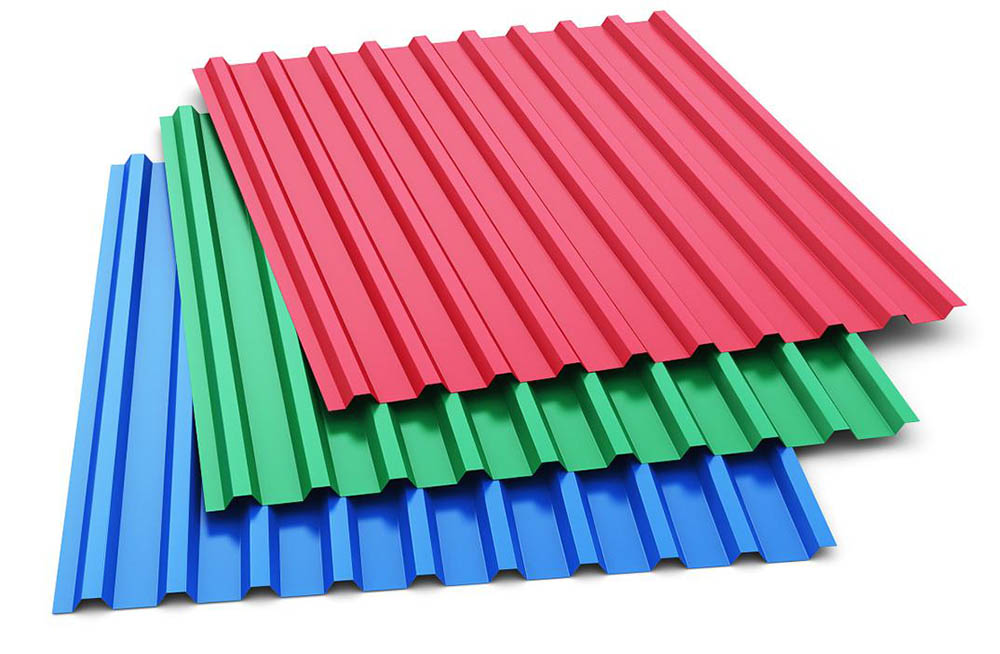
Advantages of Using Metal Wall Panels
No matter if you plan to roll form metal panels in house or source them from a supplier, it is important to understand how metal compares to other common exterior wall materials such as vinyl, brick, stone, or wood. Below are some of the key advantages of using metal wall panels.
Visual Appeal: Metal wall panels are aesthetically pleasing for both exterior and interior building facades. They are available in a variety of colors and can be made into different shapes or popular profiles, such as flush walls and slatted walls.
Lower Installation and Maintenance Costs: Due to their lighter weight, metal panels require less maintenance than other façade systems. Depending on the type of metal wall panel system you choose, installation is also easier.
More Durable: Metal has a Class A fire rating. Metal materials provide an excellent protective barrier against fire and extreme weather conditions. When used in conjunction with weather barriers, they also prevent rainwater from seeping into the building’s interior.
Sustainable and Environmentally Friendly: Metal wall panel systems are environmentally friendly, often recyclable or made from recycled materials, and are widely used in a variety of buildings, including commercial, industrial, and public buildings. Metal façades and roofs can also earn LEED certification points.
Disadvantages of Using Metal Wall Panels
While metal offers many advantages in building design, there are also some potential challenges to consider when it is used as a primary component in structural wall panel systems.
Oil Canning: Oil canning refers to the visible waviness that can appear on flat areas of metal panels or coils. This effect is typically caused by internal stress within the material, stress introduced during roll forming or fabrication, or inconsistencies in coil quality.
It is commonly associated with thin gauge cold rolled flat metal products and is considered an inherent characteristic of metal materials. Although it does not affect structural performance, it may impact the visual appearance of the finished wall system.
Corrosion: Corrosion can occur when different types of metals come into contact or when environmental conditions accelerate material degradation. This may lead to issues such as staining, surface damage, or galvanic reactions.
Galvanic corrosion: When one type of metal comes into contact with another, causing the less resistant metal to deteriorate. In addition, water runoff from one metal surface to another can result in staining or corrosion over time.
However, with high quality coating systems and proper material selection, metal wall panels can resist corrosion and maintain their performance for decades. Factors such as climate conditions, especially in coastal environments, should also be taken into account when selecting materials.
Risk of Denting: Although metal wall panels are generally durable, they are not completely immune to physical damage. Dents can occur due to impact from debris, weather conditions, or accidental contact.
Panels installed at lower wall sections are more vulnerable to damage since they are more exposed to external forces. Proper design planning and material thickness selection can help reduce this risk.
Types of Metal Wall Panel Systems
Although a wide variety of metal materials can be used to make metal wall panels, there are three main types of metal wall panel systems commonly used in metal buildings. Each system has unique properties, depending on the type of building structure, environment, installation method, and the characteristics of the building materials themselves.
| Panel Type | Structure | Key Features | Advantages | Common Applications |
| Single Skin Metal Panels | One layer of metal | Lightweight, flexible design, easy fabrication | Cost effective, simple installation, adaptable to different profiles | Industrial buildings, warehouses, agricultural structures |
| Insulated Metal Panels | Two metal sheets with insulation core | Integrated insulation, air tight system, moisture resistance | Energy efficient, fast installation, improved thermal performance | Commercial buildings, cold storage, controlled environments |
| Metal Composite Panels | Two metal layers bonded to a core material | Smooth surface, high rigidity, design versatility | Modern appearance, strong impact resistance, wide finish options | Architectural facades, office buildings, high end projects |
Factors to Consider When Choosing Wall Panels
Metal wall panels are gaining popularity in various building types, but their design and application involve many aspects. If you are considering using metal as an exterior wall cladding, or want to know which metal wall panel system is best for you, keep these key points in mind.
 Single-layer metal wall panel systems can be easily produced on-site using portable roll forming equipment, but insulation is usually required during installation.
- Metal composite wall panels are less prone to the oil tank effect and, if designed, tested, and installed properly, are highly effective weather and fire barriers.
- Insulated metal panels are very lightweight, making them ideal for buildings that require maintaining low temperatures or efficient temperature regulation.
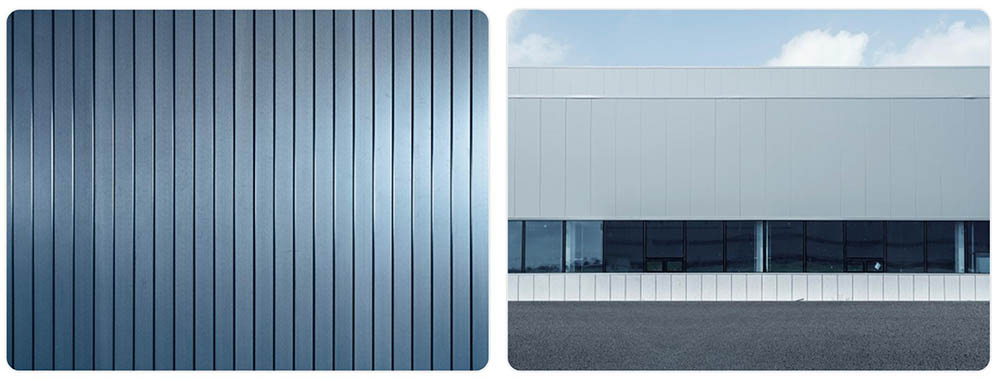 Single-layer metal wall panel systems can be easily produced on-site using portable roll forming equipment, but insulation is usually required during installation.
How Metoform Supports Panel Production?
Metoform offers advanced roll forming machine solutions for roofing and wall panels, designed to meet the needs of modern manufacturing. The equipment supports a wide range of materials and sheet profiles, enabling manufacturers to adapt to ever-changing market demands.
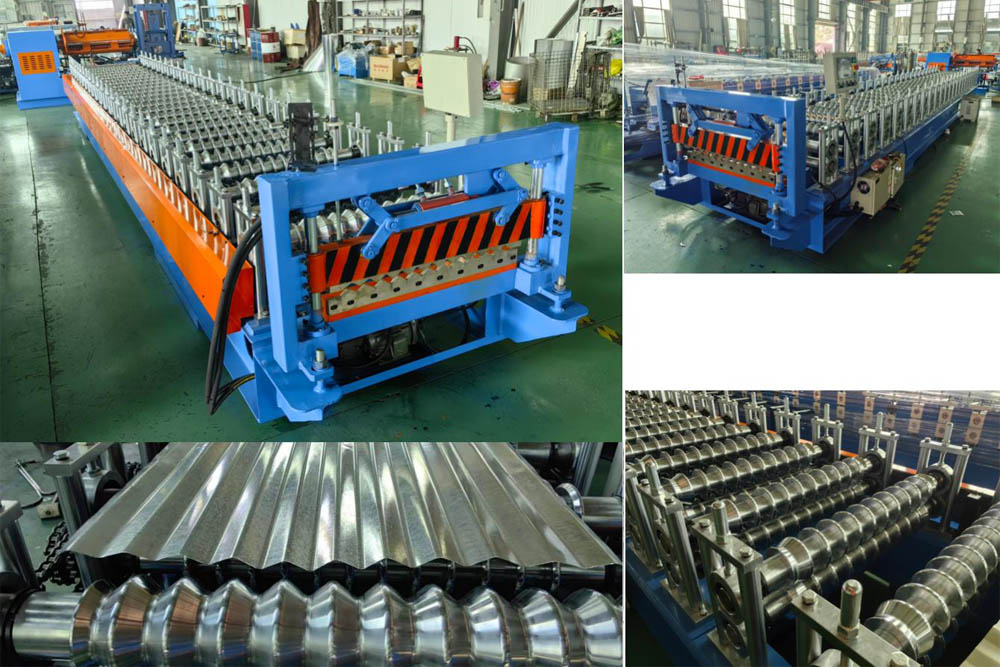 Metoform machines prioritize precision and automation, helping to improve production efficiency and ensure consistent product quality. Their durable design supports long-term operation, making them a reliable choice for sheet production. For more information on metal wall panels, wall panel profiles, or portable roll forming machines, please contact us.


How can we assist you?
Tell us a bit more so we can route your request to the right expert.
Sign Up For Our Newsletter
Subscribe to our newsletter for product promos, news, and more.