
Understanding Oil Canning in Metal Panels and Portable Roll Forming Solutions
Oil canning is one of the most discussed visual concerns in metal roofing and wall panel production. It often appears during or after the roll forming process and can affect the perceived quality of finished panels. For manufacturers and contractors, understanding how oil canning occurs and how portable roll forming equipment influences this phenomenon is essential for improving production results.
With advanced roll forming systems from companies like Metoform, it is possible to better control panel quality and reduce the impact of common surface irregularities.
What Is Oil Canning?
The oil canning effect refers to visible ripples or deformation appearing over flat areas of sheet metal. This phenomenon is most noticeable on wide, smooth surfaces because these surfaces lack ribs or other structural features to conceal minor deformations.
While the oil canning effect affects the visual appearance of the sheet metal, it is generally considered an aesthetic issue rather than a structural one. In most cases, it does not reduce the strength or weather resistance of the sheet metal.
This phenomenon is common in thin, cold-formed metal products and can occur in roofing and wall paneling systems.
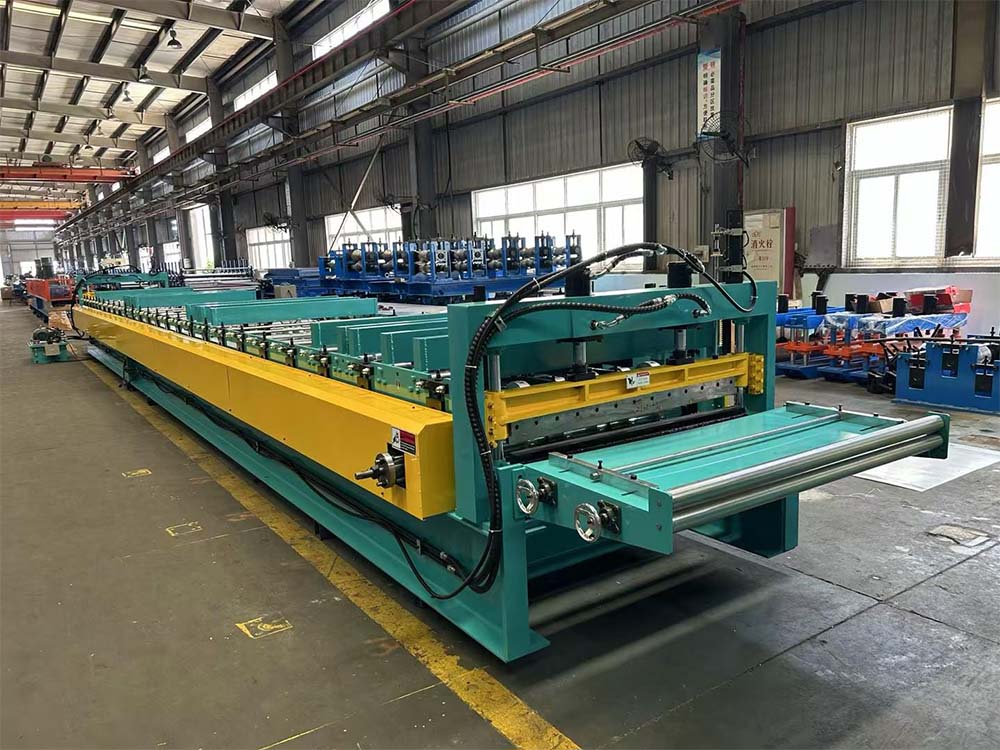
Why Oil Canning Occurs?
Oil canning is not caused by a single factor. It is usually the result of multiple influences related to material properties, forming conditions, and installation practices.
Material Related Causes
The metal coil itself can introduce internal stress before it even enters the roll forming process.
Variations such as camber, edge wave, or uneven tension within the coil canning lead to distortion after forming. These imperfections remain in the material and cannot always be corrected during production.
Thinner and wider panels are more likely to show oil canning because flat surfaces are more sensitive to stress imbalance.
Roll Forming Process Factors
The roll forming process introduces additional stress as the metal passes through multiple forming stations.
If the machine is not properly adjusted, uneven pressure or misalignment can stretch the material and create visible waviness.
Improper leveling, incorrect roller alignment, or inconsistent material feeding can all contribute to the issue.
Structural and Installation Conditions
Oil canning may also originate from the structure on which the panels are installed.
If the roof deck or wall framing is not flat, the panels will follow those imperfections and appear distorted after installation.
Installation methods also play a role. Limited allowance for thermal movement or incorrect fastening can increase internal stress in the panel.
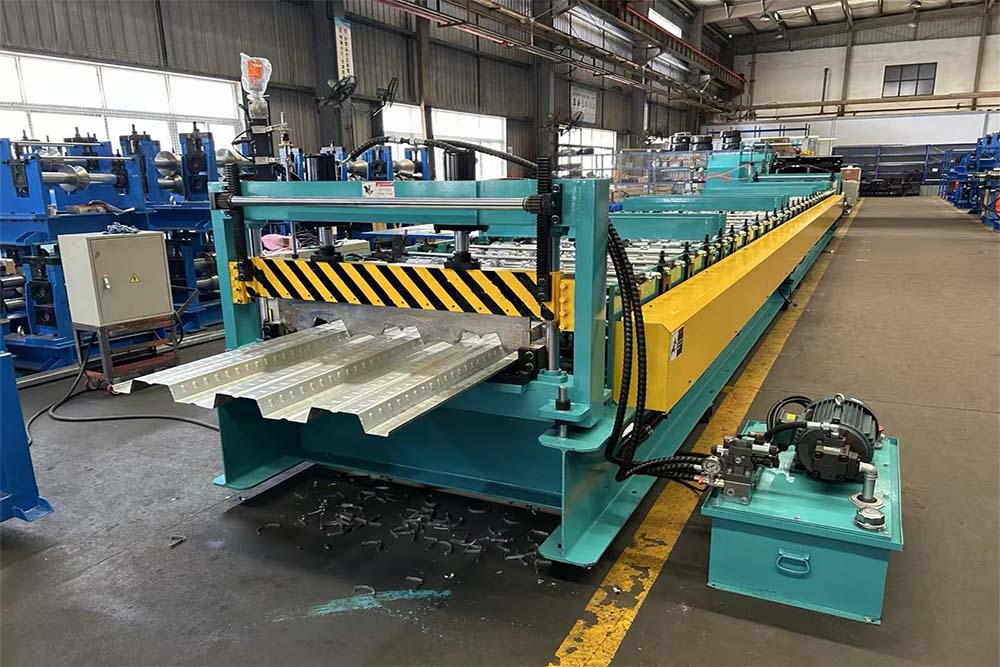
How Does the Oil Canning Effect Occur During Roll Forming?
So, why does the “canister effect” occur during metal roll forming? If you have ensured that the roll material or its surface is free of defects, the canister effect can be caused by a variety of reasons.
Properly adjusting the machine and understanding how to do so is crucial for producing high-quality panels and avoiding the canister effect. If the canister effect does occur, there are many possible causes, ranging from minor camber deviations to serious drive roller malfunctions.
| Factor | Description | Cause | Impact on Panels | Recommended Practice |
| Machine Setup and Alignment | Proper positioning of the metal coil as it enters the machine | Coil not centered or entry guides not correctly adjusted | Uneven material flow through rollers leading to surface waviness | Ensure accurate alignment of coil and guides before production |
| Roll Tooling Condition | Quality and alignment of forming rollers | Worn, damaged, or improperly installed rollers | Inconsistent forming pressure causing distortion on panel surface | Regular inspection and maintenance of roll tooling |
| Material Feeding and Tension Control | Stability of material movement through the machine | Uneven tension or excessive pressure on one side of the coil | Panel deformation as material exits the machine | Maintain balanced tension and stable feeding during operation |
| Job Site Operating Conditions | Environmental and setup conditions during on site production | Uneven ground, unstable setup, or inconsistent operating conditions | Variations in panel quality and increased risk of oil canning | Set up machine on stable surface and monitor conditions continuously |
How to Reduce Oil Canning in Production?
Although oil canning cannot always be completely eliminated, several practical steps can help reduce its appearance and improve panel quality.
- Ensure the coil is properly loaded on the shaft and enters the machine in a straight line. Correct positioning is essential for consistent forming.
- Refer to the machine manual to locate the correct coil placement for the selected profile. Adjust the shaft position as needed to maintain accurate distance from the coil edge to the support rod.
- Confirm that the material enters the feed guide in the correct position. The feed guide aligns the material with the forming rollers. Improper alignment can cause uneven feeding and lead to surface distortion.
- Check that the feed roller remains square during operation. Avoid applying excessive pressure on one side of the material. The roller width should match the material width, and the center roller should be properly aligned.
- Verify that the dies are correctly installed and aligned inside the machine. Misalignment can affect panel shape and overall quality.
- Inspect the feed and discharge shear dies to ensure they match the panel profile. They should not contact or rub against the material edges, and their heights should be consistent. The material should pass smoothly through the dies without resistance.
- Examine the drive rollers for wear or damage. They should not be flattened, overly tight, or separated. Since the roller gap is preset for specific materials, contact technical support if issues are suspected.
- Check that the ramp support is stable, straight, and set to the same height as the machine. An uneven setup can affect panel flow and lead to distortion.
- Review the camber adjustment at the machine outlet. Minor adjustments can correct panels that trend upward or downward. Follow the machine manual to fine tune the camber angle.
The Role of Advanced Roll Forming Equipment
Modern roll forming machines are designed to improve control over material flow, forming pressure, and panel consistency. Equipment from Metoform supports precise forming and stable operation, which helps manufacturers reduce variability in panel production.
Advanced control systems allow operators to fine tune machine parameters, improving both efficiency and product quality. In both factory and portable applications, reliable equipment plays a key role in minimizing defects and ensuring consistent results.
Conclusion
The oil tank effect is an inherent problem with metal roofs, but its causes are varied, and the solutions differ accordingly. If you encounter any problems while using the machine, please contact Metoform Service Department for assistance. For more troubleshooting help, please visit our service and support center on our website.

Product Recommendation


How can we assist you?
Tell us a bit more so we can route your request to the right expert.
Sign Up For Our Newsletter
Subscribe to our newsletter for product promos, news, and more.