
What Are Interior Metal Wall Panels, Their Applications, and Production Process?
Interior wall materials in modern construction continue to evolve, with greater focus on durability, consistency, and production methods. Among these options, interior metal wall panels stand out due to their stable performance, clean appearance, and compatibility with large scale projects.
These panels are formed from metal coils through continuous processes, which ensures consistent dimensions and reliable installation results. At the same time, roll forming technology connects material performance with manufacturing capability, making production more standardized.
As building systems move toward industrialized approaches, metal wall panels become part of an integrated process that includes fabrication and installation. To better understand their role, the following sections cover their definition, applications, advantages, structural types, and production process.
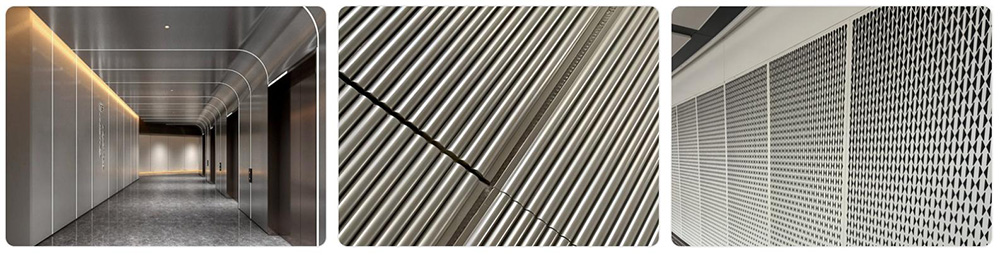
What Is Interior Metal Wall Cladding?
Interior metal wall cladding refers to wall systems made from aluminum, galvanized steel, or stainless steel panels. These panels go through roll forming or composite processing before installation inside buildings.
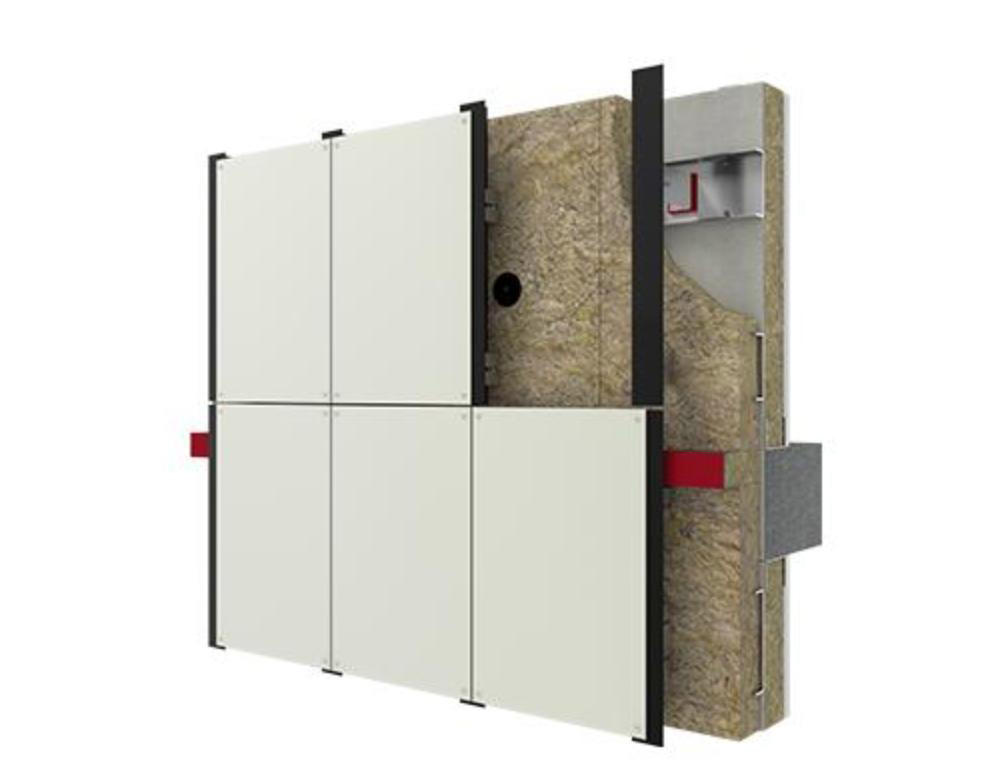
Compared with traditional materials such as gypsum board or wood finishes, metal panels combine decorative appearance with structural strength and long term durability. They maintain stable performance and visual consistency over extended periods without deformation or surface deterioration.
From a manufacturing perspective, these panels usually start from metal coils. Through continuous forming processes, the material is shaped into precise profiles. This production method leads to consistent dimensions, tight panel alignment, and smoother installation processes. It also allows large volumes of panels to be produced with uniform quality across different batches.
Types and Structures of Interior Metal Wall Panels
Interior metal wall panels are available in various types and structures. The classification is based on both the structural components and the visual appearance of the panels. Understanding these categories helps in selecting the right panel for specific applications, such as thermal insulation, acoustics, or visual aesthetics.
Classification by Structure
The structure of metal panels determines their performance and application. Common structural classifications include:
- Single layer metal panels with straightforward construction
- Composite sandwich panels with insulation properties
- Perforated panels that improve acoustic performance
These structural variations address different functional needs in interior wall systems.
Classification by Appearance
The appearance of the panels influences the design and aesthetic of a space. There are several panel types based on their visual texture:
- Corrugated panels with strong visual texture
- Flat panels for smooth and refined surfaces
- Standing seam panels that combine structure and visual continuity
Each of these styles can be tailored to suit different architectural tastes, creating unique environments for various building types. Different shapes and structures arise from the forming processes, and among these methods, roll forming stands out for its consistency, scalability, and ability to meet diverse design needs.
From Raw Material to Finished Panel
The production of interior metal wall panels begins with raw metal coils, which are processed through advanced forming techniques. The choice of manufacturing process directly impacts panel quality, precision, and performance. This section explores how raw materials are transformed into high quality finished panels and how equipment influences the final product.
Roll Forming Process
Metal coils pass through a sequence of rollers that gradually shape the material. Each stage contributes to the final profile until the desired cross section is achieved.
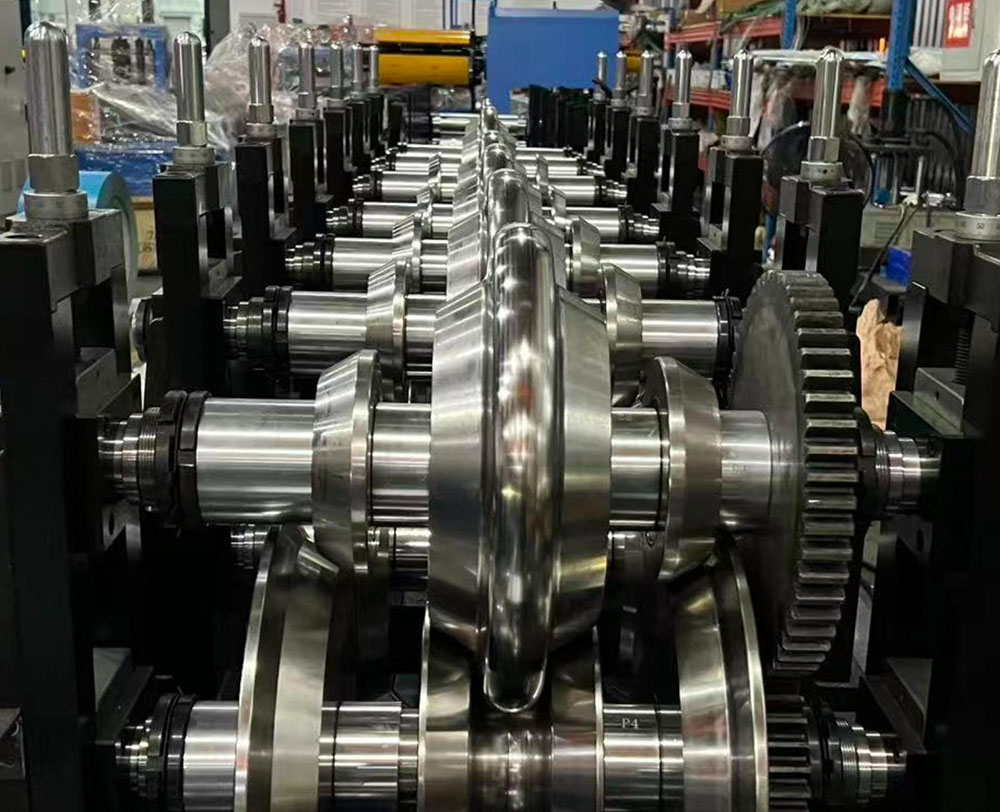
This continuous forming method supports steady production output and consistent dimensional accuracy. It allows manufacturers to produce large quantities of panels with uniform specifications.
Influence of Equipment on Product Quality
Panel flatness, edge alignment, and installation fit depend strongly on machine precision.
High performance equipment produces panels with consistent geometry and smooth edges. This improves alignment during installation and reduces gaps between panels. As a result, the final wall system appears more refined and performs more reliably.
Advantages of Interior Metal Wall Panels
Interior metal wall panels offer a combination of durability, surface stability, and material efficiency. Their performance comes from both the properties of metal and the consistency of the forming process. Compared with traditional interior materials, they maintain appearance over time while reducing maintenance frequency. The following aspects highlight their main advantages.
Long Service Life
Metal panels resist impact, deformation, and surface wear during daily use. Their structural stability remains consistent over time, even in high traffic environments. This reduces the need for replacement and helps maintain wall performance across long service cycles.
Low Maintenance
These panels do not require repainting or surface refinishing. Dirt and stains can be removed through routine cleaning with standard methods. This lowers ongoing maintenance effort and reduces operational costs over time.
Fire Resistance
Metal materials do not burn and do not contribute to flame spread. This supports safer indoor conditions, especially in buildings with high occupancy or strict fire safety requirements.
Flexible Appearance
Surface treatments such as coating, brushing, embossing, and color finishing provide multiple visual options. Panels can be adapted to different interior styles, including modern, industrial, and minimalist environments.
Sustainability
Metal panels can be recycled after use and reprocessed into new materials. Their long service life reduces replacement frequency, which helps limit material waste and supports more sustainable construction practices.
Why Metal Wall Panels Are Gaining Popularity?
Metal wall panels extend beyond decorative use. They form part of a broader industrialized construction approach.
Their standardized production process supports faster installation and consistent performance. These characteristics align with modern construction demands for speed, precision, and long term reliability.
As automated forming equipment becomes more widely adopted, production capacity increases and cost structures improve. This shift supports wider adoption of metal panels across different building types.
Main Application Scenarios of Interior Metal Wall Panels
Interior metal wall panels find application across commercial, public, industrial, and residential environments. Their application depends on durability requirements, surface performance, maintenance conditions, and visual expectations in different spaces. In each scenario, panel type, finish, and structure may vary to match specific functional needs.
Commercial and Office Spaces
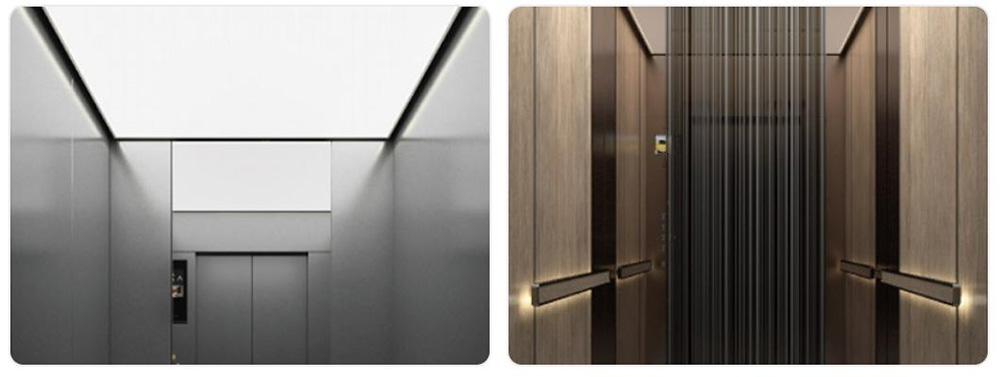
In office buildings, shopping centers, and hotels, metal panels are installed in lobbies, corridors, reception areas, and meeting rooms. These spaces involve frequent movement, so surface durability and consistent appearance are required. Metal panels maintain surface integrity under repeated use and reduce visible wear over time.
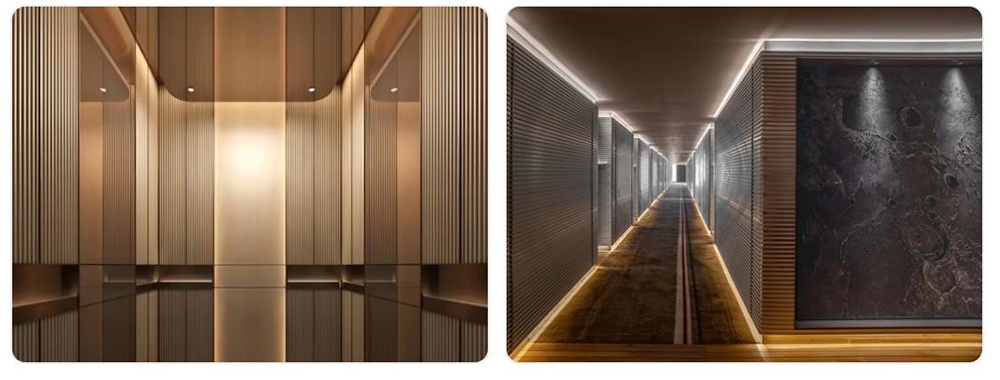
Public Facilities
In hospitals, schools, and transportation hubs, material selection focuses on hygiene, safety, and ease of maintenance. Metal panels provide non porous surfaces that support regular cleaning. Their resistance to moisture helps maintain surface condition, while fire resistance supports safer indoor environments.
Industrial and Warehouse Buildings
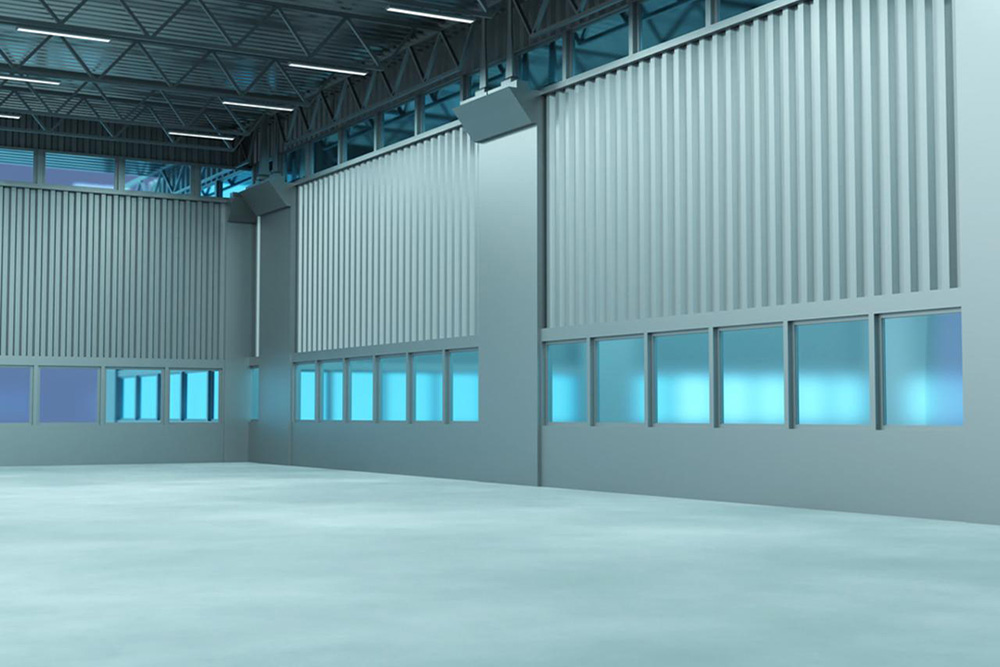
In industrial facilities and warehouses, metal panels serve as interior partitions and may integrate with exterior wall systems. These environments involve machinery, loading operations, and continuous use. Metal panels provide structural stability and resist impact, supporting long term operation with minimal maintenance.
Residential and Decorative Spaces
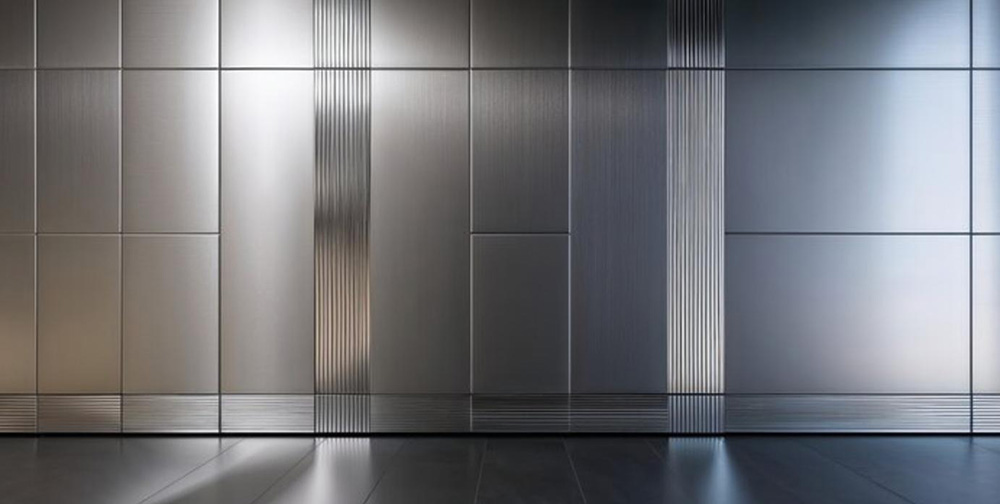
In residential interiors, metal panels are applied to feature walls, kitchens, and bathrooms. These areas involve exposure to moisture, stains, and daily use. Metal panels improve surface resistance while supporting modern or industrial design styles through different finishes and textures.
Considerations in Selection and Planning
When selecting and planning for interior metal wall panels, various environmental, regulatory, and production factors must be considered, as they affect both the material choice and overall system setup.
- Matching the Environment
Material selection depends on humidity levels, temperature conditions, and usage intensity of the space. Surface treatments also influence long term performance. - Compliance and Performance
Fire safety standards, acoustic requirements, and local building codes guide panel selection and system configuration. - Production and Supply Capacity
For medium and large projects, stable manufacturing capability supports consistent product quality and reliable delivery schedules.
Conclusion
Interior metal wall panels provide durability, low maintenance, modern appearance, and environmental benefits. These qualities support their increasing use in interior construction projects.
At the same time, manufacturing technology continues to advance. Roof and wall panel roll forming machines enable large scale production with consistent quality and controlled material usage. This supports better project execution and stable supply.
If you would like to learn more about portable roof and wall panel machines or portable seamless gutter machines, please contact us and speak with an experienced account manager.

Product Recommendation


How can we assist you?
Tell us a bit more so we can route your request to the right expert.
Sign Up For Our Newsletter
Subscribe to our newsletter for product promos, news, and more.