
Why Should Contractors Invest in a Gutter Forming Machine?
Construction projects increasingly call for fast installation and custom solutions. Gutter forming machines are becoming a standard tool for contractors who install roof drainage systems. Producing gutters on site changes cost structure and opens new opportunities for service offerings.
Compared with buying pre made gutters, on site production allows contractors to handle specific requirements for each project. This article presents the benefits of investing in a gutter forming machine and provides guidance for choosing the right one.
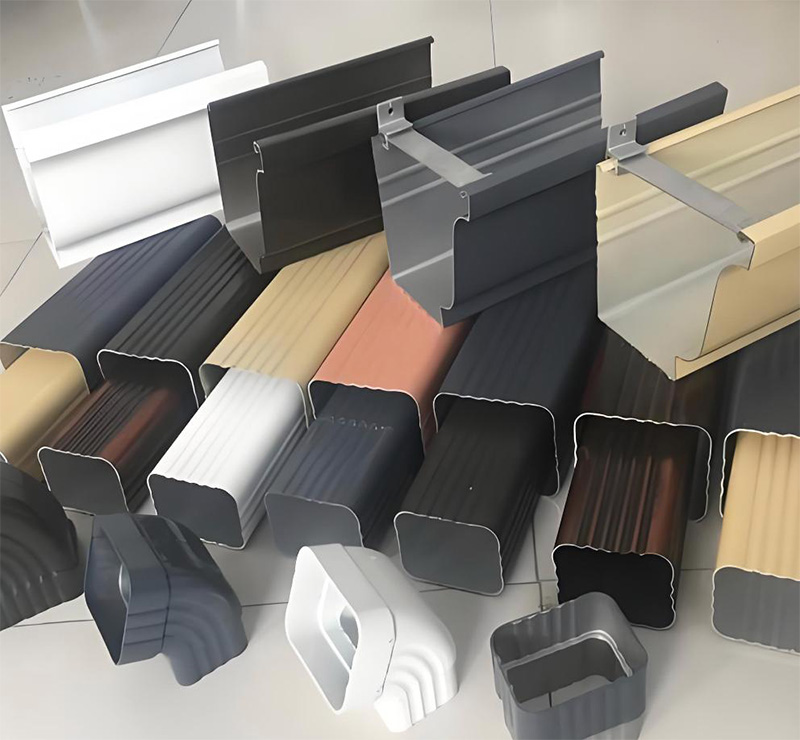
Benefits of Investing in a Gutter Forming Machine
Investing in a gutter forming machine provides contractors with several advantages that can improve work speed, reduce costs, and support business growth.
On Demand Production and Flexibility
Gutter forming machines allow contractors to produce gutters directly on site. Each piece can be customized to match the exact roof length and slope. This reduces material waste and removes the need to transport pre cut sections from suppliers, which can save time and simplify logistics.
The machines can adjust to different sizes and profiles. Contractors can handle a wide range of roof types and project scales without needing multiple pre made products. This adaptability can help crews complete projects more smoothly and meet specific client requirements efficiently.
Cost Reduction and Profit Potential
Producing gutters on site lowers transportation costs, storage needs, and material waste compared with buying pre made sections. Contractors also avoid paying for stock that may not be used right away, reducing unnecessary expenses.
By controlling production internally, companies gain more visibility over costs and can maintain tighter control of the budget. Over time, the savings and increased control often offset the initial investment, making the machine a valuable long term asset.
Product Consistency and Quality
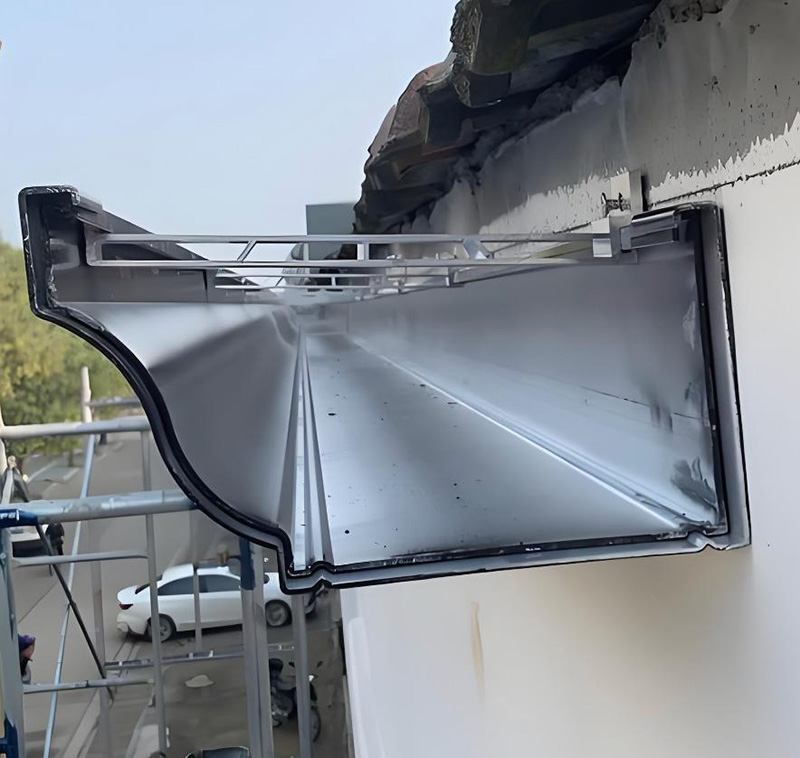
Gutter forming machines produce seamless gutters, reducing the chance of leaks and providing a uniform finish. This helps increase the durability of the installation and reduces the need for rework.
Consistent dimensions and clean edges support a professional appearance on every project. High quality results improve client satisfaction, build trust, and can encourage repeat business and referrals.
Expanding Business Opportunities
Owning a gutter forming machine allows contractors to offer additional services. Custom shapes, lengths, and profiles can be provided on demand, giving more options for different projects.
This capability enables contractors to take on specialized projects, serve high end residential or commercial clients, and deliver products faster without relying on external suppliers. The ability to offer custom solutions can also differentiate a business from competitors.
Greater Control Over Projects
Producing gutters in house gives contractors control over workflow and scheduling. They can make adjustments on site without waiting for deliveries or coordinating with third party suppliers.
This control reduces delays and allows better coordination with other construction tasks. It also provides more flexibility for managing materials and labor on site, helping teams complete work with fewer interruptions and smoother execution.
Considerations Before Purchasing a Gutter Forming Machine
Choosing a gutter forming machine involves reviewing project volume, machine type, technical features, transport requirements, and maintenance support. Contractors should match the machine to their workload and job sites, ensuring it handles the required profiles and materials.
Ease of setup, available power, and supplier service options also affect performance and long term reliability. Considering these factors helps ensure the machine meets both current and future project needs.
Evaluate Business Volume and Return
Contractors should review the number of projects expected each year before investing in a gutter forming machine. Small project volumes may extend the time needed to recover the initial cost, while higher volumes allow the equipment to be used more fully and provide faster return on investment.
Examining past and anticipated project schedules, including seasonal fluctuations, helps determine the appropriate machine size and configuration. This analysis ensures the investment aligns with expected workload and avoids underutilization of the equipment.
Machine Type and Application
Gutter forming machines come in portable and fixed models, each with distinct advantages. Portable machines can be moved from one job site to another and adjusted to produce different gutter sizes or profiles, making them practical for residential and small commercial projects.
Fixed machines are intended for workshop use and can produce larger quantities of standardized gutters for multiple projects. Contractors should evaluate their typical project types, job site accessibility, and available workspace to choose the machine type that best fits operational needs.
Technical Specifications
Before purchasing, it is essential to review the machine’s supported gutter profiles and dimensions, material compatibility, production speed, and overall reliability. Machines differ in power source options, roller construction, and cutting mechanisms.
Selecting the specifications that match your project requirements ensures smooth production and reduces the likelihood of errors or material handling issues. Understanding these technical features allows contractors to maximize efficiency and maintain consistent product quality across multiple projects.
| No. | Technical Item | Standard English Parameter |
| 1 | Machine Model | 5” / 6” K-Style Gutter Roll Forming Machine |
| 2 | Applicable Gutter Size | 5 inch & 6 inch K style rain gutter |
| 3 | Raw Material | Galvanized steel, PPGI, Aluminum sheet, Galvalume steel |
| 4 | Material Thickness | 0.3mm – 0.7mm |
| 5 | Feeding Coil Width | Customized for 5/6 inch K profile |
| 6 | Forming Roller Stations | 16 stations |
| 7 | Forming Speed | 10–12 m/min |
| 8 | Main Motor Power | 7.5 KW |
| 9 | Hydraulic Station Power | 3 KW |
| 10 | Total Power | About 10.5 KW |
| 11 | Working Voltage | 380V 50Hz 3Phase(Custom 220V 60Hz available) |
| 12 | Control System | PLC + Human-machine touch screen + Frequency inverter |
| 13 | Cutting System | Automatic hydraulic cold cutting |
| 14 | Cutting Length Precision | ±2mm |
| 15 | Forming Roller Material | 45# high carbon steel, hard chrome plated |
| 16 | Main Shaft Diameter | 50mm |
| 17 | Uncoiler | 2 tons manual uncoiler |
| 18 | Max Loading Coil Weight | 2000KG |
| 19 | Overall Dimension(L×W×H) | 3300×1250×1500mm |
| 20 | Machine Weight | About 2200KG |
| 21 | Running Mode | Fully automatic production |
| 22 | Warranty | 1 year warranty, lifetime technical support |
Transport and On Site Conditions
Contractors should consider machine size, weight, and setup requirements to ensure smooth operation at job sites. Portable machines can typically be loaded onto trucks or trailers and operate using either electricity or fuel, depending on the model.
Evaluating site access, available power sources, and space for setup prevents installation delays and helps the crew complete projects on schedule. Planning for these conditions also minimizes the risk of operational interruptions during critical project stages.
Support and Maintenance
A clear warranty, access to replacement parts, and responsive service from the supplier are essential considerations. Machines require routine inspection, adjustment, and maintenance to maintain performance and reliability.
Choosing a supplier with comprehensive service options helps reduce downtime and ensures the machine remains operational over time. Proper maintenance planning also contributes to consistent product quality and extends the useful life of the equipment, protecting the contractor’s investment.
Making a Decision
Contractors should review production needs, goals for expanding services, annual project volume, and the team’s ability to manage and maintain equipment. Understanding how the machine will fit into existing workflows and how often it will be used helps determine the best investment.
Selecting a machine that aligns with business operations allows contractors to take full advantage of on site gutter production. Proper alignment supports more accurate scheduling, minimizes material waste, and ensures smoother project execution.
It also enables crews to respond to changes quickly, which can improve customer satisfaction and strengthen client relationships. Careful planning and matching the machine’s capabilities to current and anticipated projects ensures that the equipment remains a valuable and practical tool for years to come.
Conclusion
Gutter forming machines allow faster installation, lower costs, and expanded service offerings. Contractors gain control over production, create custom solutions, and increase business opportunities.
For companies considering investment, selecting the right machine according to project and business needs is critical. Contact our equipment specialists and we will help you find the gutter machine that fits your business needs.

Product Recommendation


How can we assist you?
Tell us a bit more so we can route your request to the right expert.
Sign Up For Our Newsletter
Subscribe to our newsletter for product promos, news, and more.