
How Many Screws Are Needed for Different Types of Metal Roofs?
When installing a metal roof, the number of screws used is not just a small detail. Screw quantity, spacing, fastening patterns, and installation quality directly affect the roof’s wind resistance, waterproof performance, structural stability, and service life.
Using too few screws can lead to panel uplift, water leakage, and vibration problems, while excessive fastening may increase installation costs and restrict thermal expansion.
Different metal roofing systems require different fastening methods. Corrugated metal roofs usually rely on exposed fasteners, while standing seam systems use concealed clips and fewer visible screws. Climate conditions, roof geometry, panel profile, and wind load standards also influence the total screw count.

What Factors Affect the Number of Screws Needed for a Metal Roof?
Several engineering and installation factors determine the total number of roofing screws required.
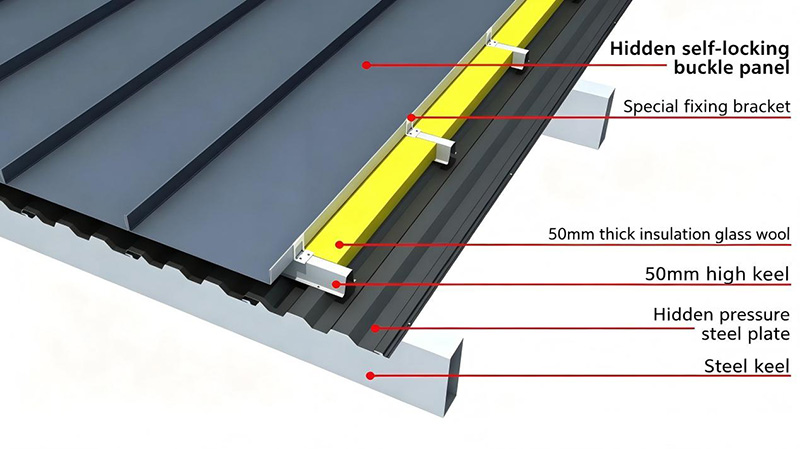
Roof Size and Total Coverage Area
The first factor is the total roof area. Larger roofs require more panels and more fastening points.
Most contractors calculate screw quantity using roofing squares:
- 1 roofing square = 100 square feet
- Residential roofs commonly require 80–120 screws per square
- Commercial roofs may require higher densities in high-wind zones
The basic calculation formula is:
Roof Area
Panel Coverage Area
×
Fasteners Per Panel
Example Calculation
A corrugated metal roof project includes:
- Roof size: 2,000 sq ft
- Effective panel coverage: 20 sq ft per panel
- Fasteners required: 10 screws per panel
Calculation:
- 2,000 ÷ 20 = 100 panels
- 100 × 10 = 1,000 screws
Most contractors also add:
- 5%–10% extra screws for waste
- Additional edge-zone fasteners
- Spare screws for maintenance
Final estimated quantity:
- 1,100–1,150 screws
Metal Roof Panel Type
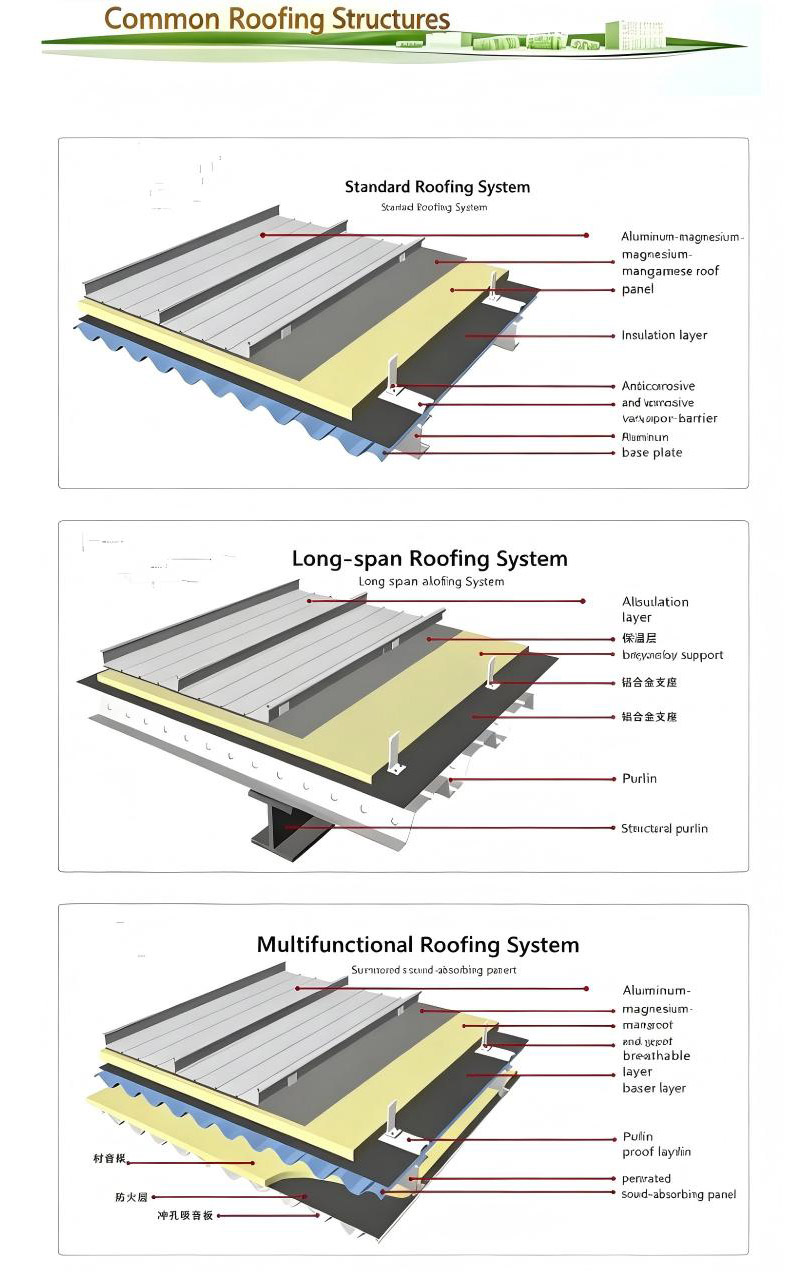
Different roofing systems use different fastening methods.
Exposed Fastener Systems
Corrugated panels, R Panels, and U Panels usually require more screws because the panels are directly attached to the roof deck or purlins.
Concealed Fastener Systems
Standing seam roofs use hidden clips beneath the seams, reducing exposed screw count while improving waterproof performance.
Decorative Metal Tile Systems
Metal tile roofing often requires more fastening points because the profile contains multiple bends and locking sections.
Wind Load Requirements
Wind uplift is one of the most important engineering considerations in metal roofing.
Higher wind speeds create greater uplift pressure on roof panels, especially at:
- Roof edges
- Corners
- Ridge areas
- Eaves
The simplified wind pressure equation is:
P = 0.00256V2
Where:
- P = wind pressure (psf)
- V = wind speed (mph)
Wind Speed and Screw Density
| Wind Speed | Recommended Fastening Adjustment |
| Below 90 mph | Standard spacing |
| 90–120 mph | Increase screws by 15% |
| Above 120 mph | Increase screws by 25–30% |
| Hurricane/coastal zones | Additional edge fastening required |
Buildings located in coastal regions or hurricane-prone areas usually require denser screw spacing and stronger fasteners to meet local code requirements.
Purlin and Substrate Spacing
Metal roof screws are typically installed into
- Wood decking
- Steel purlins
- Structural framing
Smaller purlin spacing creates more fastening opportunities and improves panel stability.
Typical purlin spacing
- Residential roofing: 24 inches
- Commercial roofing: 36–60 inches
- Industrial buildings: project-specific engineering
If purlin spacing becomes too large, additional screws may be required to reduce panel vibration and thermal movement.
Screw Quantity Needed for Different Types of Metal Roofs
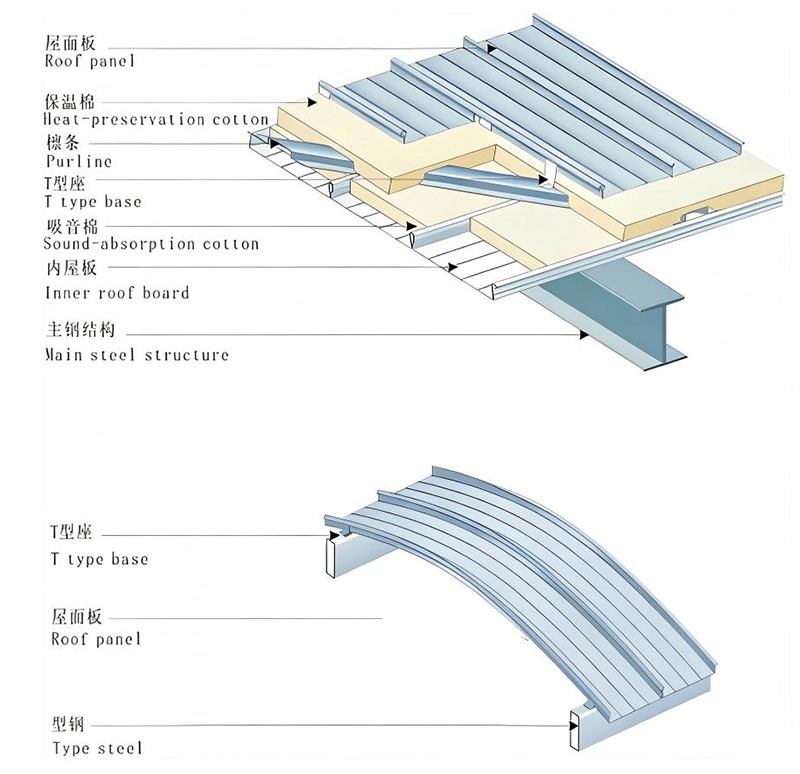
Standing Seam Metal Roof
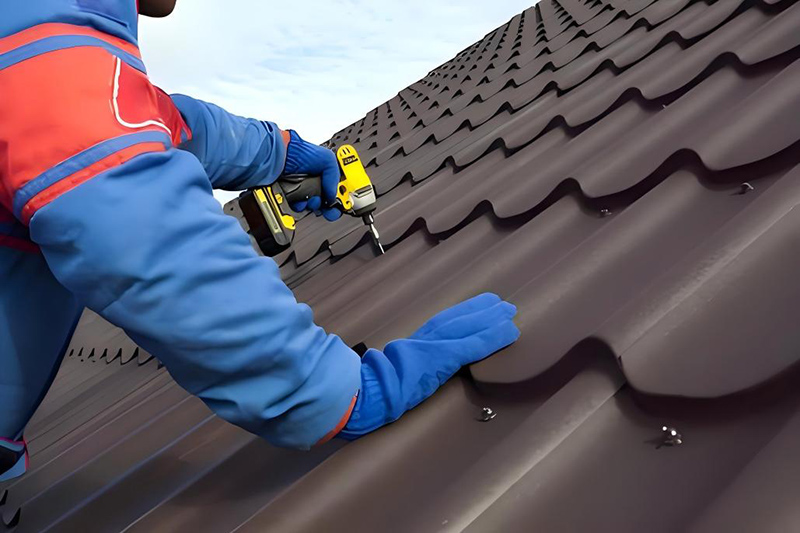
Standing seam roofing systems use concealed clips rather than exposed fasteners. This reduces visible screw count while improving waterproof performance and thermal expansion capability.
Standing Seam Metal Roof
Standing seam roofing systems use concealed clips rather than exposed fasteners. This reduces visible screw count while improving waterproof performance and thermal expansion capability.
Typical Requirements
- 60–80 screws per roofing square
- Clip spacing: 18–24 inches
- Common panel gauges: 24–26 gauge
Advantages
- Excellent wind resistance
- Reduced leak risk
- Cleaner appearance
- Better long-term durability
Standing seam systems are widely used for:
- Commercial buildings
- High-end residential homes
- Coastal construction projects
Corrugated Metal Roof
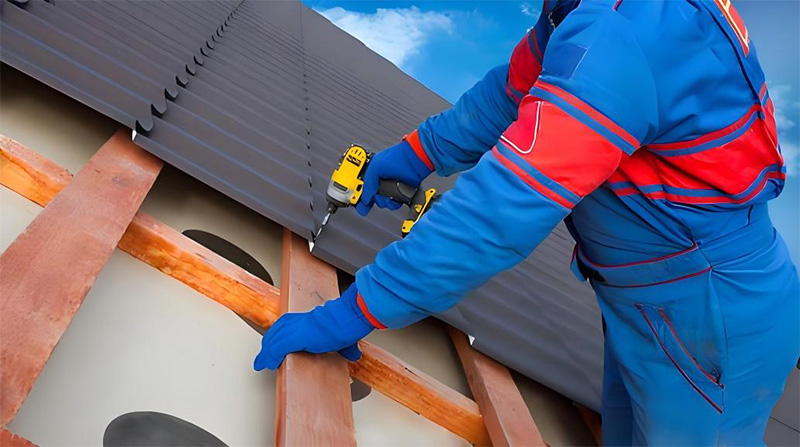
Corrugated roofing is one of the most common exposed-fastener systems. Because each panel is directly secured to the substrate, screw usage is relatively high.
Typical Requirements
- 80–120 screws per roofing square
- 8–12 screws per panel
- Common panel gauges: 26–29 gauge
Typical Applications
- Agricultural buildings
- Warehouses
- Garages
- Workshops
Fasteners are usually installed on either:
- Rib crests
- Panel valleys
depending on the manufacturer’s specifications.
R Panel Metal Roof
R Panel roofing is widely used in commercial and industrial construction because of its strength and wider panel profile.
Typical Requirements
- 70–100 screws per roofing square
- Horizontal spacing: 12 inches
- Edge spacing: 6–8 inches
Advantages
- High structural strength
- Better spanning capability
- Strong wind performance
Additional screws are usually added at:
- Side laps
- Roof edges
- High uplift zones
U Panel Metal Roof
U Panel roofing is similar to R Panel systems but has a slightly different rib geometry.
Typical Requirements
- 65–90 screws per roofing square
- Typical spacing: 12–24 inches
- Common gauges: 26 gauge
In high-wind regions, contractors often reduce screw spacing to improve uplift resistance.
Metal Tile Roof
Metal tile roofing combines the appearance of traditional tiles with lightweight metal construction.
Typical Requirements
- 90–120 screws per roofing square
- 2–4 fastening points per tile
- Additional edge reinforcement required
Key Considerations
- Decorative profiles require precise fastening
- Hidden fastener systems are commonly used
- Proper alignment is critical for waterproofing
Recommended Screw Spacing for Metal Roofs
Proper screw spacing affects:
- Wind resistance
- Panel vibration
- Waterproofing
- Thermal movement
Standard Spacing Guidelines
| Roof Area | Typical Screw Spacing |
| Main field area | 12–24 inches |
| Roof edges | 6–12 inches |
| Ridge area | 8–12 inches |
| Side laps | Every 12 inches |
Roof edges and corners experience the highest uplift pressure, so contractors normally install more fasteners in these areas.
Types of Metal Roofing Screws
Selecting the correct roofing screw is just as important as screw quantity.
Self-Drilling Screws
These screws include integrated drill points that can penetrate metal panels without pre-drilling.
Commonly used for:
- Steel purlins
- Metal-to-metal applications
Wood-to-Metal Roofing Screws
These screws are designed for attaching metal roofing to wooden decking or wood framing.
Features include:
- Aggressive thread design
- EPDM rubber washers
- Corrosion-resistant coatings
Stitch Screws
Stitch screws are smaller fasteners used to secure:
- Side laps
- Flashing
- Trim sections
They help reduce panel separation during high winds.
Roofing Screw Materials and Corrosion Resistance
Different environments require different screw materials.
| Screw Material | Corrosion Resistance | Recommended Environment |
| Zinc plated | Basic | Dry inland areas |
| Galvanized steel | Medium | General roofing |
| Stainless steel | High | Coastal and humid regions |
In coastal environments, salt exposure can accelerate fastener corrosion. Stainless steel screws are usually recommended for long-term durability.
Real Project Examples
Residential Corrugated Roof Example
Project details:
- Roof size: 1,800 sq ft
- Panel type: Corrugated metal
- Wind zone: 90 mph
- Panel gauge: 26 gauge
Fastener Estimate
- 95 screws per roofing square
- Total requirement: approximately 1,850 screws
Additional edge reinforcement increased screw count by nearly 12%.
Commercial Standing Seam Roof Example
Project details:
- Building type: Warehouse
- Roof size: 12,000 sq ft
- Roofing system: Standing seam
- Clip spacing: 24 inches
Fastener Estimate
- Approximately 6,200 concealed fasteners and clips
- Additional perimeter fastening installed in corner uplift zones
The concealed fastening system significantly reduced long-term leak risks compared to exposed fastener systems.
Common Metal Roofing Screw Installation Mistakes
Improper installation can reduce roof lifespan even if the correct number of screws is used.
Overdriving Screws
Excessive torque can damage EPDM washers and create leak points.
Underdriving Screws
Loose screws may allow panel movement and water penetration.
Incorrect Fastener Placement
Improper placement near panel ribs or overlaps can weaken uplift resistance.
Mixing Different Metals
Using incompatible fasteners may cause galvanic corrosion.
How Should Metal Roof Screws Be Maintained?
Metal roof fasteners should be inspected regularly to maintain structural integrity and waterproof performance.
Inspect for Loose Screws
Thermal expansion and strong winds can gradually loosen fasteners.
Recommended inspection frequency:
- At least once per year
- After severe storms
- After hurricanes or heavy snow events
Check for Rust and Corrosion
Corroded screws lose holding strength and may eventually fail.
Areas requiring frequent inspection:
- Coastal regions
- High-humidity climates
- Industrial environments
Replace Aging Washers
Most roofing screws include EPDM rubber washers for sealing.
Over time, washers may:
- Harden
- Crack
- Shrink
- Lose elasticity
Typical washer lifespan:
- 5–10 years depending on climate exposure
Conclusion: How to Plan Properly
A proper plan for metal roof screw quantity and spacing can improve roof stability and extend service life.
Different metal roof types have different requirements for screw quantity and installation methods, so the panel type, climate conditions, and building structure should be considered before installation to ensure good wind resistance, waterproof performance, and durability.
Metoform can provide accurate planning based on your project needs. Welcome to visit our homepage for consultation.
FAQs
Q1 How many screws are needed per square meter for a metal roof?
Usually, 6 to 12 screws are needed per square meter, depending on the roof panel type and installation method.
Q2 Should metal roof screws be installed on the rib crest or in the valley?
Most corrugated panels use screws on the rib crest, although the final method should follow the manufacturer’s installation guide.
Q3 Should more screws be used in high wind areas?
Yes, high wind areas usually require smaller screw spacing and more fastening points.
Q4 How often should metal roof screws be inspected?
They should be inspected at least once a year, and they should also be checked after severe weather.
Q5 Should rusty roof screws be replaced immediately?
If screws show clear rust or looseness, they should be replaced in time to prevent leakage and structural problems.

Product Recommendation

How can we assist you?
Tell us a bit more so we can route your request to the right expert.
Sign Up For Our Newsletter
Subscribe to our newsletter for product promos, news, and more.