
What Gauge Metal Roof Is Right for Us?
More and more homes and commercial buildings are choosing metal roofs because they are durable, attractive, wind resistant, fire resistant, and energy efficient.
The gauge of a metal roof directly affects its lifespan, impact resistance, and overall cost, so understanding the differences between various gauges helps buyers make a better decision.
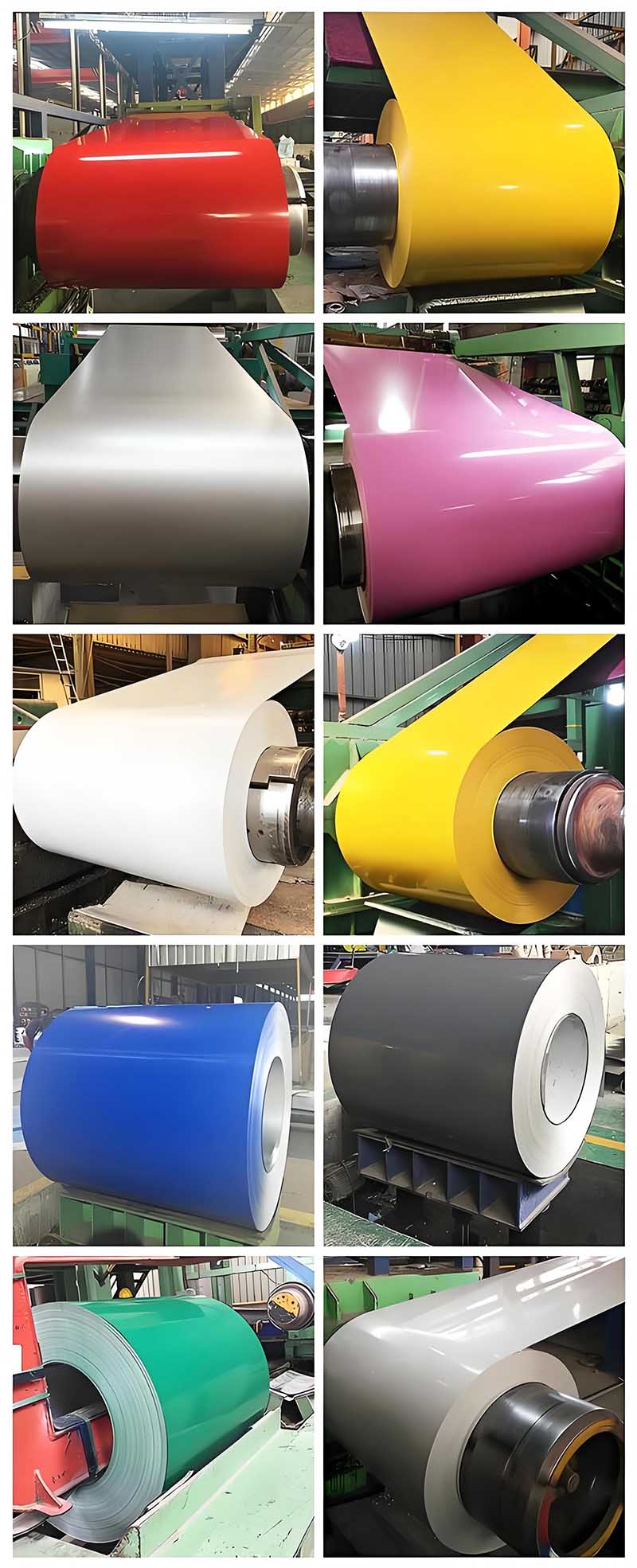
What Does Metal Roof Gauge Mean?
Metal roof gauge refers to the thickness of the steel panel. Common roofing gauges include 22, 24, 26, and 29 gauge. Although the numbers may seem confusing at first, the rule is easy to remember: higher gauge numbers mean thinner metal.
For example, 29 gauge panels are lighter and usually more affordable, but they are also thinner. 26 gauge panels are thicker, stronger, and more suitable for long-term residential use.
24 gauge and 22 gauge panels offer even better strength and are often used in areas with extreme weather or on higher-end projects.
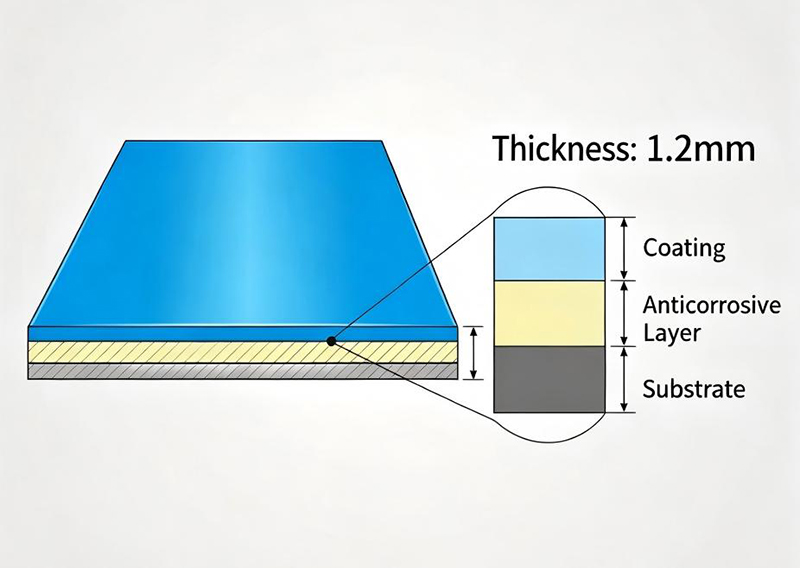
26 Gauge vs. 29 Gauge: Which Is Better?
Many homeowners compare 26 gauge and 29 gauge because both are commonly available for residential metal roofing. 29 gauge is usually chosen because of its lower upfront cost.
However, the savings may not always be worth it if the home is located in an area with heavy snow, hail, high winds, or frequent storms.
A 26 gauge metal roof is thicker and heavier than 29 gauge. This gives it better resistance against dents, bending, and wind uplift. It is also less likely to show installation mistakes, such as waves or bumps caused by over-tightened screws.
For homeowners who want a roof that looks better and lasts longer, 26 gauge is usually the safer choice.
When Is 29 Gauge Metal Roofing Suitable?
29 gauge roofing can still work well in the right situation. It is best for mild climates where there is little snow, limited hail, and no frequent strong wind. It may also be suitable for budget-sensitive projects, smaller buildings, sheds, or structures that are not expected to perform for decades.
However, 29 gauge is not the best option for harsh weather areas. Because the panel is thinner, it is more likely to dent from hail, flex under snow load, or show cosmetic imperfections after installation.
If long-term performance matters, 26 gauge or thicker panels are usually a better investment.
Why 26 Gauge Is a Popular Choice for Homes?
For most regular family homes, 26 gauge offers a strong balance between durability, appearance, and cost. It is thick enough to provide reliable protection, but it is still more affordable than heavier gauges such as 24 or 22 gauge.
Homeowners often choose 26 gauge because it performs well in normal residential conditions. It can handle everyday weather, offers better dent resistance than 29 gauge, and helps reduce the risk of future maintenance issues. If your home is not in an extreme climate, 26 gauge is usually a smart starting point.
When Should You Choose 24 Gauge or 22 Gauge?
If your home is located in a high-wind, snowy, coastal, or hail-prone area, it may be worth upgrading to 24 gauge or even 22 gauge.
For high-wind areas, thicker panels provide better structural stability and are less likely to lift during storms. For snowy areas, stronger panels help support heavier loads and reduce the risk of roof deformation.
In hail-prone regions, thicker metal can better resist dents and impact damage. For coastal homes, thicker panels combined with a high-quality protective coating can also help improve long-term performance in humid and salty environments.
Although 24 gauge and 22 gauge cost more upfront, they may reduce repair needs and extend the service life of the roof.
Appearance Also Matters
Gauge does not always create a dramatic visual difference at first glance, but thinner panels can show imperfections more easily.
During installation, over-tightened screws or uneven fastening can create visible waves, often called oil canning. This issue can appear on different metal panels, but it is usually more noticeable on thinner materials such as 29 gauge.
If appearance is important, especially for a residential roof with large visible areas, 26 gauge or thicker panels are usually a better choice.
Cost
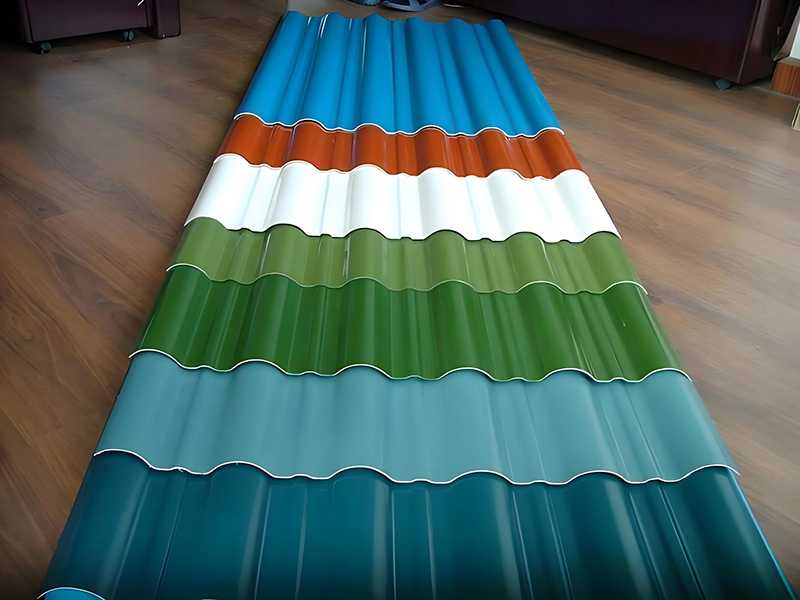
Thicker metal panels cost more because they use more material and may require more careful installation. 29 gauge has the lowest upfront cost, while 26 gauge costs more, and 24 or 22 gauge panels are more expensive.
However, roofing decisions should not be based only on the initial price. A cheaper roof may need more repairs if it dents, leaks, or performs poorly in bad weather. In many cases, spending more on 26 gauge or 24 gauge can provide better long-term value.
Quick Recommendation
For most homes, 26 gauge metal roofing is the best overall choice. It offers a good balance of strength, cost, appearance, and long-term performance.
Choose 29 gauge only if the budget is the top priority and the building is in a mild climate. Choose 24 gauge or 22 gauge if the home faces heavy snow, high winds, hail, coastal conditions, or if maximum durability is needed.
Conclusion: Which Metal Roof Gauge Is Best for Your Home?
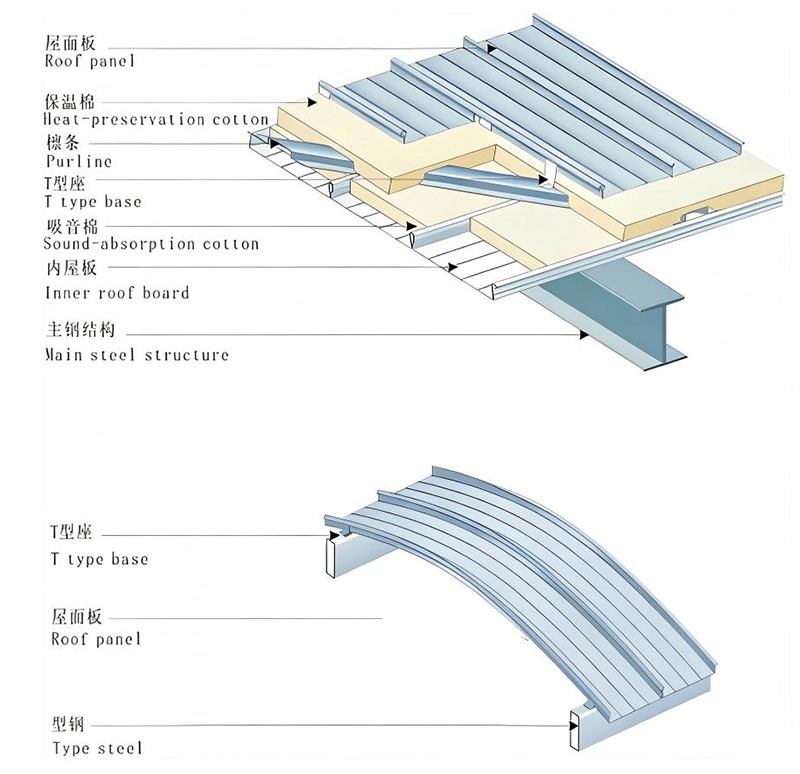
26 Gauge is the most common choice for most homes, while 24 Gauge is more suitable for high wind, snowy, or coastal areas. If the budget allows and a longer lifespan is desired, a thicker gauge is worth considering.
Choosing a metal roof that fits your home environment and budget can help achieve long lasting durability and better cost effectiveness.
Metoform offers a complete range of metal roof gauges. Welcome to visit our homepage for consultation.
FAQs
Q1 Is a smaller metal roof gauge number better?
In general, a smaller number means thicker metal, better durability, and a higher price.
Q2 Is 26 Gauge metal roofing suitable for residential homes?
Yes, 26 Gauge is one of the most commonly used gauges for regular residential homes.
Q3 Is 29 Gauge metal roofing durable?
29 Gauge can meet basic needs, but its durability and impact resistance are relatively weaker.
Q4 What gauge should be used in high wind areas?
24 Gauge or a thicker gauge is recommended to improve wind resistance.
Q5 Which metal roof gauge has the longest lifespan?
22 Gauge and 24 Gauge usually have a longer lifespan.

Product Recommendation


How can we assist you?
Tell us a bit more so we can route your request to the right expert.
Sign Up For Our Newsletter
Subscribe to our newsletter for product promos, news, and more.