
Common Metal Roofing Materials
As the construction industry continues to develop, people are demanding higher performance from roofing materials in terms of durability, aesthetics, and energy efficiency.
Compared with traditional tile roofs, metal roofs have gradually become a popular choice for residential, commercial, and industrial buildings because they last longer, require less maintenance, and offer a modern appearance.
Different types of metal roofing materials have unique characteristics, and understanding their differences can help in selecting a roofing option that best suits specific needs.
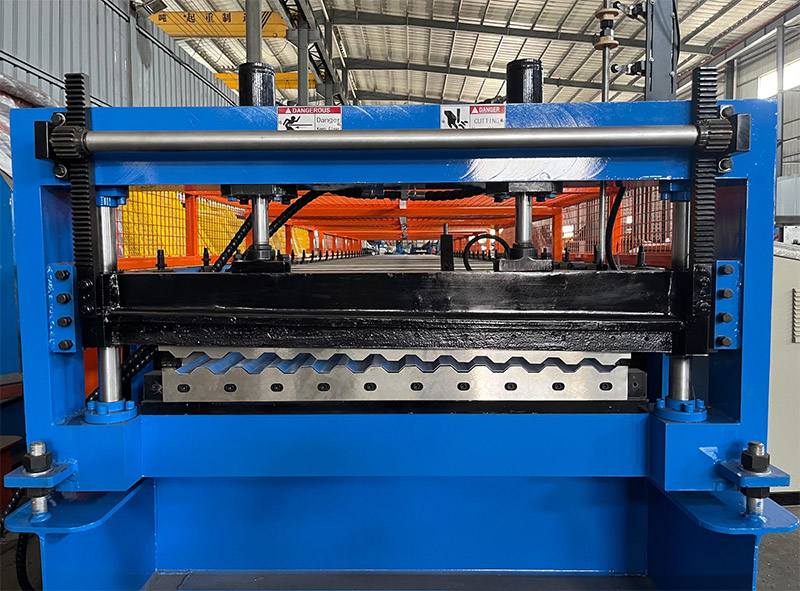
Why Are Metal Roofs Becoming More Popular?
In recent years, the use of metal roofs in construction has increased steadily, and their popularity continues to grow. This trend is related not only to changes in modern architectural styles but also to the demand for durability, environmental friendliness, and long-term cost management.
- Excellent durability: Because they can better withstand heavy rain, strong winds, snow accumulation, and ultraviolet radiation compared with traditional asphalt shingles, and many metal roofs can last more than forty years.
- Good energy efficiency: Because some metal materials are coated with reflective layers that reduce heat absorption from sunlight, which lowers indoor temperatures and air conditioning energy consumption, particularly in hot regions.
- The visual design options: Because they can provide a stylish and sophisticated appearance for both modern minimalist buildings and industrial-style structures.
- Environmentally friendly: Because many metal roofing materials can be recycled, which aligns with current trends in green construction and sustainable development.
Different metal roofing materials offer different advantages in durability, corrosion resistance, appearance, and cost.
Choosing the right material depends on factors such as climate, building style, maintenance requirements, and budget. Below are some of the most common metal roofing materials used in modern construction.
Common Metal Roofing Materials
Steel Roofs
Steel roofs are among the most widely used metal roofing options because they provide a good balance between strength, affordability, and durability. Due to their excellent load-bearing performance, steel roofing is especially common in factories, warehouses, and commercial buildings.
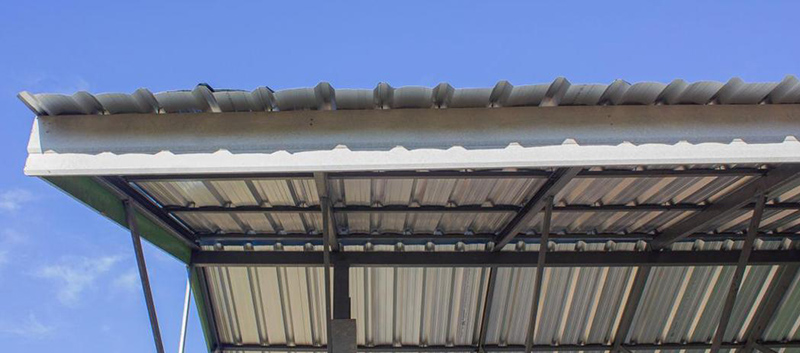
Why Many Projects Choose Steel Roofs?
One of the biggest advantages of steel roofing is its structural strength. It can withstand heavy rain, snow loads, and strong winds better than many traditional roofing materials.
In addition, steel roofs are relatively cost-effective, making them suitable for large-scale construction projects.
Steel roofs are also available in different coatings and finishes, allowing builders to improve weather resistance and appearance according to project requirements.
Things to Consider
Although steel roofs are durable, ordinary steel can rust over time if the protective coating becomes damaged. Compared with some premium metal materials, steel also provides average thermal and sound insulation performance.
Common Uses
Steel roofs are widely used for industrial plants, logistics warehouses, agricultural buildings, and modern residential homes. Because installation is relatively efficient, contractors often choose steel roofing for projects with large roof areas.
Where to Buy?
Steel roofing materials are commonly available from local building material suppliers, roofing manufacturers, and metal fabrication companies. Many contractors also purchase customized steel panels directly from roofing system manufacturers.
Galvanized Steel Roofs
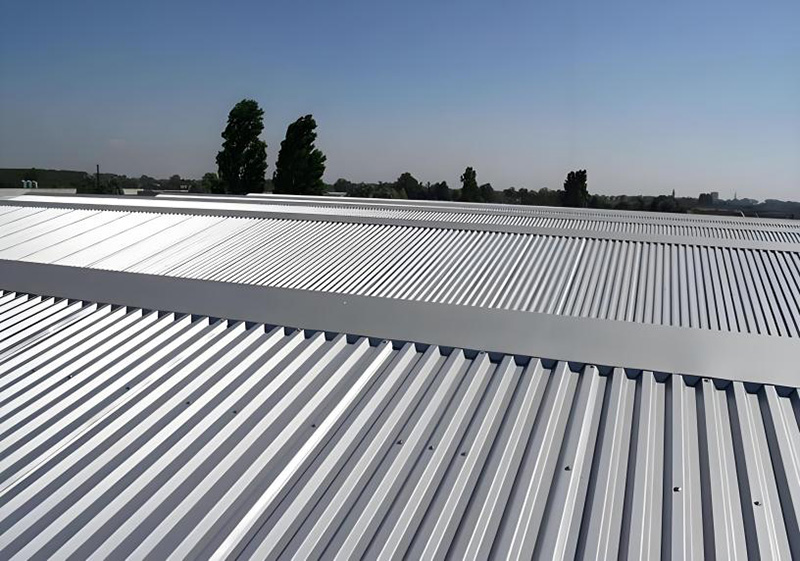
Galvanized steel roofs are produced by coating steel with a protective zinc layer, which significantly improves corrosion resistance. This makes them more suitable for humid climates compared with ordinary steel roofing.
Key Benefits
Galvanized steel combines the strength of traditional steel with better rust protection. It is widely used because it offers a reasonable price while still maintaining good durability and low maintenance requirements.
For projects located in coastal or rainy areas, galvanized steel is often considered a more practical solution than untreated steel.
Potential Drawbacks
After many years of exposure, the zinc coating may gradually wear away, especially in harsh environments. Surface scratches can also reduce corrosion resistance if they are not treated properly.
Typical Applications
Galvanized steel roofs are commonly seen in agricultural facilities, workshops, storage buildings, and commercial properties. Because of their balance between performance and cost, they are widely used in medium-budget projects.
Market Availability
This roofing material is easy to find in most construction markets and is one of the most commonly stocked metal roofing products worldwide.
Aluminum Alloy Roofs
Aluminum alloy roofing has become increasingly popular in residential and coastal construction because of its lightweight structure and excellent resistance to corrosion.
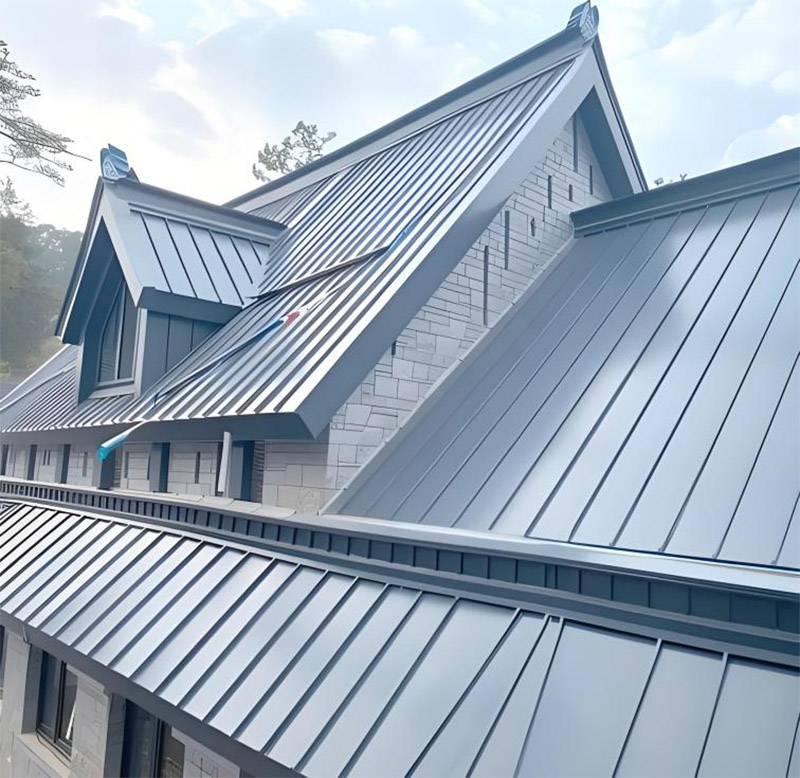
What Makes Aluminum Roofing Popular?
Unlike steel, aluminum does not rust easily, making it ideal for humid or seaside environments. Its lighter weight also reduces pressure on the building structure, which is beneficial for renovation projects or lightweight architectural designs.
In modern architecture, aluminum roofs are also valued for their clean and contemporary appearance.
Limitations
Compared with steel, aluminum has lower hardness and can dent more easily under heavy impact. In addition, aluminum roofing materials are generally more expensive.
Recommended Applications
Aluminum alloy roofs are often used for villas, luxury homes, resorts, coastal buildings, and modern commercial projects where aesthetics and corrosion resistance are priorities.
Purchasing Channels
Aluminum roofing systems are commonly sold through specialized roofing suppliers and premium building material distributors. Many manufacturers also provide customized color and panel designs.
Copper Roofs
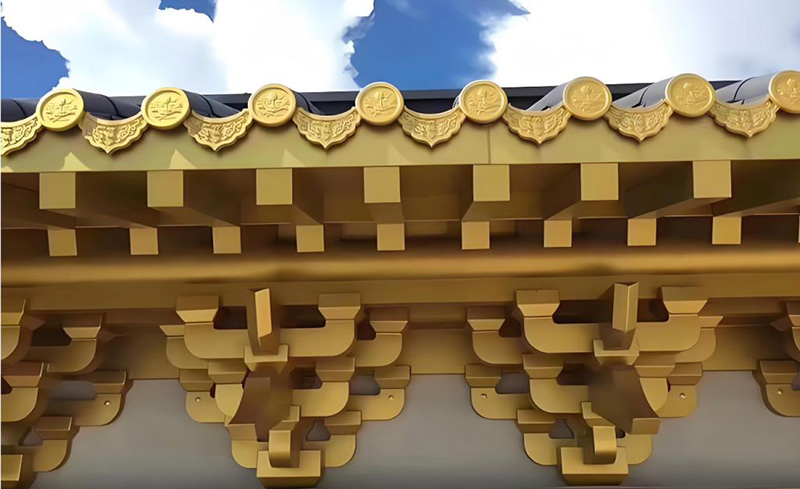
Copper roofing is considered one of the most premium metal roofing materials available today. Its distinctive appearance and exceptional lifespan make it highly valued in luxury architecture.
Unique Characteristics
One of the most recognizable features of copper roofs is the natural patina that forms over time. This protective layer not only enhances corrosion resistance but also gives buildings a historic and elegant appearance.
Copper roofs can last for decades with minimal maintenance, which is why they are often viewed as a long-term investment.
Challenges
The main disadvantage of copper roofing is its very high material and installation cost. Professional installation is usually required, and the changing surface color may not suit every architectural style.
Common Architectural Uses
Copper roofs are frequently used in churches, historical buildings, museums, luxury villas, and landmark architectural projects where appearance is a major consideration.
Availability
Because copper roofing belongs to the high-end market, it is usually purchased through specialized metal roofing manufacturers or custom architectural material suppliers.
Zinc Alloy Roofs
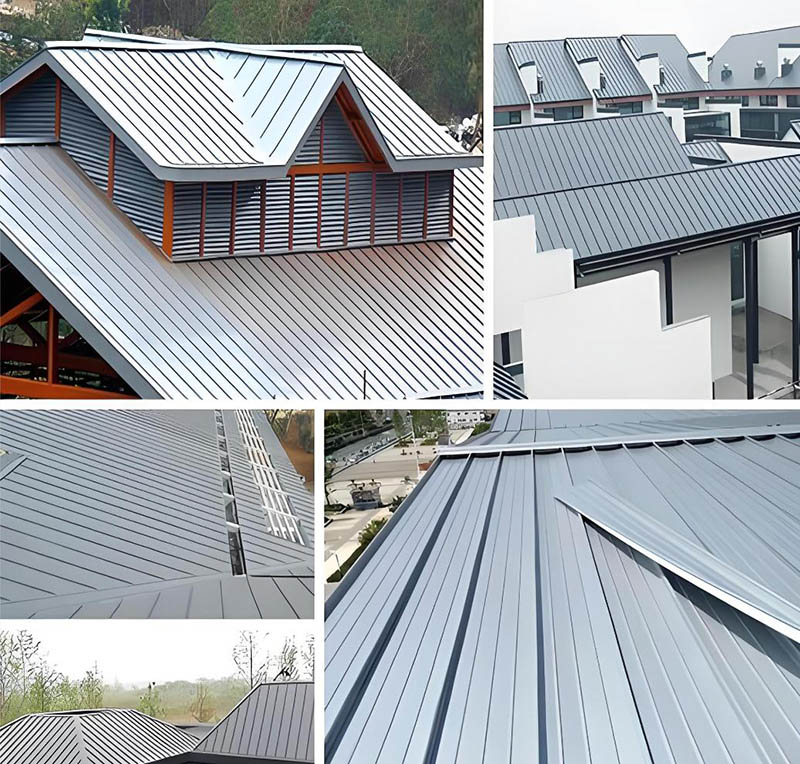
Zinc alloy roofing has gained attention in contemporary architecture for its modern appearance, environmental friendliness, and self-healing surface properties.
Modern Advantages
A unique feature of zinc roofs is that minor scratches can gradually repair themselves through natural weathering. Zinc is also highly recyclable, making it attractive for sustainable building projects.
Architects often prefer zinc roofing because it creates a minimalist and sophisticated visual effect.
Considerations Before Choosing
Zinc roofing usually requires experienced installers and higher upfront investment. In some regions, material availability may also be more limited compared with steel roofing products.
Best Applications
Zinc alloy roofs are commonly used in modern luxury residences, cultural buildings, eco-friendly projects, and high-end commercial architecture.
Where It Is Commonly Purchased
Zinc roofing materials are generally supplied by specialized architectural metal companies and premium roofing system brands.
Factors Affecting the Price of Metal Roofs
Material Type
The type of metal is a primary factor in determining the roof price because different metals vary in cost. Steel is usually less expensive, while copper and zinc alloys belong to premium categories and are more costly.
In addition, the metal’s corrosion resistance, lifespan, and manufacturing complexity directly influence market pricing, so budget and long-term value should be considered together when selecting materials.
Thickness and Quality
The thickness of metal panels usually correlates with strength and durability, and higher-quality panels often come with better protective coatings and stable performance, which increases cost.
Choosing higher-quality materials can reduce future repair and maintenance expenses for projects that require long-term use.
Surface Treatment Process
The type of surface treatment significantly impacts pricing. Treatments such as paint coating, anti-corrosion layers, and reflective coatings increase production cost but improve the roof’s weather resistance and energy efficiency, enhancing its overall long-term value.
Installation Cost
The complexity of installation also affects the overall budget. Complicated roof structures, high-elevation work, and specialized installation techniques increase labor cost. Copper and zinc alloy roofs require more precise workmanship, making their installation more expensive.
Comprehensive Comparison of Metal Roofs
| Material | Durability | Corrosion Resistance | Cost | Weight | Appearance | Maintenance | Suitable Buildings |
| Steel | High | Average | Low | Heavy | Medium | Medium | Industrial, Commercial |
| Galvanized Steel | High | Higher | Medium | Heavy | Medium | Lower | Industrial, Warehouses |
| Aluminum Alloy | High | Excellent | Higher | Light | High | Lower | Villas, Commercial |
| Copper | Extremely High | Extremely High | Very High | Medium | Extremely High | Very Low | Premium Buildings |
| Zinc Alloy | Very High | Excellent | Higher | Light | High | Very Low | Modern Buildings |
How to Choose the Right Metal Roofing Material?
Choosing Based on Budget
Budget significantly influences material selection because lower-cost options such as steel or galvanized steel can provide reasonable durability. Premium projects can benefit from copper or zinc alloy, offering higher aesthetic value and long-term performance.
Climate
Regional climate affects roof performance. Coastal areas with high humidity are better suited for aluminum or zinc alloy, while cold or snowy regions may benefit from steel roofs with higher strength.
Architectural Style
Metal roofing influences both building performance and appearance. Modern minimalist designs often match well with zinc alloy or aluminum alloy roofs, while traditional premium designs are enhanced by copper roofs, which provide a more artistic and elegant effect.
Maintenance Requirements
Materials such as copper, zinc alloy, or aluminum alloy require less maintenance because of their strong corrosion resistance, which reduces repair and replacement needs over time.
Conclusion
Metal roofs have become increasingly popular because they are durable, energy-efficient, environmentally friendly, and visually appealing. Each type of metal roof has unique characteristics, and selecting the right one requires consideration of budget, climate, and building requirements.
Metoform can help you choose a roofing material that fits your needs and situation, and you are welcome to visit the homepage for consultation.
FAQs
Q1 How long does a metal roof typically last?
Most metal roofs last between forty and seventy years, and some copper roofs last even longer.
Q2 Are metal roofs noisy?
If an insulation layer is installed, rain noise can be significantly reduced.
Q3 Do metal roofs rust easily?
Ordinary steel can rust, but galvanized steel, aluminum alloy, and copper have much better corrosion resistance.
Q4 Are metal roofs suitable for homes?
Yes, especially for modern homes and villas.
Q5 Is maintenance of a metal roof difficult?
Most metal roofs require minimal maintenance and only need regular inspections.

Product Recommendation


How can we assist you?
Tell us a bit more so we can route your request to the right expert.
Sign Up For Our Newsletter
Subscribe to our newsletter for product promos, news, and more.