
10 Benefits of Standing Seam Metal Roofing
Selecting commercial or residential roof profiles involves evaluating material longevity, weather resistance, and long-term facility maintenance expenses. While traditional asphalt shingles offer lower initial installation costs, property owners face frequent repairs under severe weather conditions.
Standing seam metal roofing presents a structural alternative for modern facilities. This specific system features concealed fasteners that protect the building envelope from moisture penetration and high wind forces, making it a reliable asset for long-term property protection.
What Is Standing Seam Metal Roofing?
A standing seam roof is a metal roof where the fasteners do not show, the sheets of metal interlock, and they have a taller rib. They are often chosen for their aesthetic appearance.
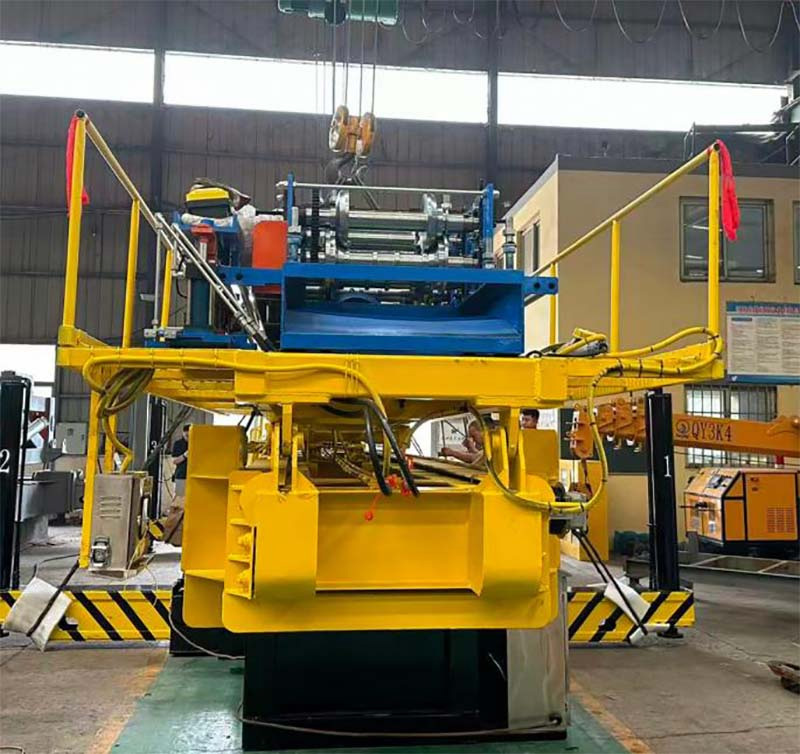
Standing seam systems are used for a wide range of applications and projects. These systems feature interlocking seams that connect panels, giving the roof a distinct and attractive appearance.
Furthermore, standing seam systems are manufactured from high-end steel or aluminum, offering years of low-maintenance service life.
Primary Protection Capabilities
Wind Resistance and Sealing Integrity
The raised interlocking seams define the performance of this roof system. Metal panels connect via mechanical locks or snap-together systems that sit well above the drainage plane. This arrangement places all screws and clips underneath the solid metal exterior, keeping them away from rain and sun.
Traditional roofs experience moisture penetration where exposed screws rust or rubber washers fail over time. Concealed fasteners eliminate these weak spots completely.
During severe storms, the continuous metal runs combined with sturdy locking mechanisms withstand heavy uplift forces, preventing high winds from tearing panels off the roof structure.
Extended Durability and Lifetime Value
Property owners view this product as a permanent asset that outlasts standard building occupation periods. Common asphalt shingles degrade within fifteen to twenty years, forcing owners into expensive replacements.
High-grade steel or aluminum standing seam installations regularly endure for fifty years or longer. The metal skin resists degradation from hail impacts, torrential downpours, and intense solar exposure, avoiding the cracking, warping, or rotting seen in organic materials.
High-Level Fire Safety Ratings
Most standing seam configurations achieve a Class A fire rating, which represents the highest safety standard in building construction. Metal cannot catch fire or spread flames.
When airborne embers from nearby fires land on the surface, the non-combustible material blocks heat from reaching the wooden framing underneath. Property managers choose this material in drought-prone regions to safeguard structural assets against unexpected external hazards.
Performance on Low Slope Roof Structures
Shingle roofs face limitations on low pitches because standing water backs up under the gaps during wind-driven rain. Standing seam panels manage these low pitches because of their elevated watertight seams.
As long as the roof meets the minimum slope parameters specified by engineers, water and melting snow glide down without restriction. This attribute expands architectural freedom for modern commercial layouts.
Financial Return and Operational Efficiency
Lower Maintenance Expenses
The absence of exposed fasteners minimizes the need for ongoing operational oversight. Building supervisors avoid the tedious task of checking loose screws or replacing brittle washers year after year.
Regular maintenance involves nothing more than removing dead leaves from the gutters, which removes a financial obligation from the annual building budget.
Energy Saving Performance
Metal surfaces function as cool roofs by altering how a building interacts with solar heat radiation. The specialized coatings reflect a portion of solar energy back into space instead of absorbing heat and radiating it into the living quarters.
Data indicates that during peak summer months, this reflective behavior lowers cooling energy requirements by forty percent, optimizing overall building operations.
Real Estate Asset Appreciation
The initial capital expenditure for a metal system exceeds the cost of common alternatives, yet the market treats it as a high-yield enhancement.
Buyers view a permanent roof as a financial advantage during property negotiations. Insurance companies often grant premium reductions for buildings featuring certified wind and fire resistance, which lowers the ongoing cost of property ownership.
Contemporary Aesthetics and Functional Integration
Visual Appeal and Modern Architectural Lines
Clean vertical lines deliver a sleek appearance that complements modern design trends. The smooth surface fits minimal styles, industrial layouts, and traditional rustic buildings alike.
Hidden fasteners create a uniform exterior free of visible screw heads, providing a clean finish that enhances the value of the property.
Diverse Color Options and Advanced Coatings
Manufacturers apply high-performance factory coatings, such as PVDF resin systems, to the metal coils before shaping. These specialized finishes resist chalking and fading under UV rays while offering an expansive palette of shades.
Owners choose from deep charcoal, matte black, classic copper, or forest green, knowing the surface retains its original appearance for decades.
Integration with Solar Power and Snow Retention
The vertical seams serve as secure mounting tracks for secondary building systems. Workers attach solar panels or snow guards directly to the seams using heavy-duty clamps without drilling holes through the roof membrane.
This non-invasive attachment method protects the watertight shell while making future building upgrades straightforward and safe.
Selecting the Correct Roof System
If you’re looking for a high-end, long-lasting, and low-maintenance roofing system, standing seam roofing might be the better choice. It’s ideal for those who value aesthetics and durability and are willing to invest more upfront.
On the other hand, metal roofing in its various forms offers a broader range of price points and styles, making it a more versatile option for those on a budget or who prefer a more traditional look.

Standing seam metal roofing delivers advantages in strength, waterproofing, longevity, and appearance, positioning it as an option for premium construction projects.
Every building material operates within specific parameters, and a thorough assessment leads to sound investment decisions.
Metoform remains dedicated to presenting both the advantages and disadvantages of every product. We provide clear, objective facts regarding mechanical configurations to help your facility identify the production system that aligns with your volume targets and operational specifications.

Product Recommendation


How can we assist you?
Tell us a bit more so we can route your request to the right expert.
Sign Up For Our Newsletter
Subscribe to our newsletter for product promos, news, and more.