What is Corrugated Metal Roofing?
With the development of the modern construction industry, more people are looking for roofing materials that are durable, attractive, and cost effective.
Corrugated metal roofing has become a popular choice for residential, industrial, and commercial buildings because of its strong performance and wide range of applications.
So, what is corrugated metal roofing? What benefits does it offer? Which buildings is it suitable for? This article will give you a clear overview.
What is Corrugated Metal Roofing?
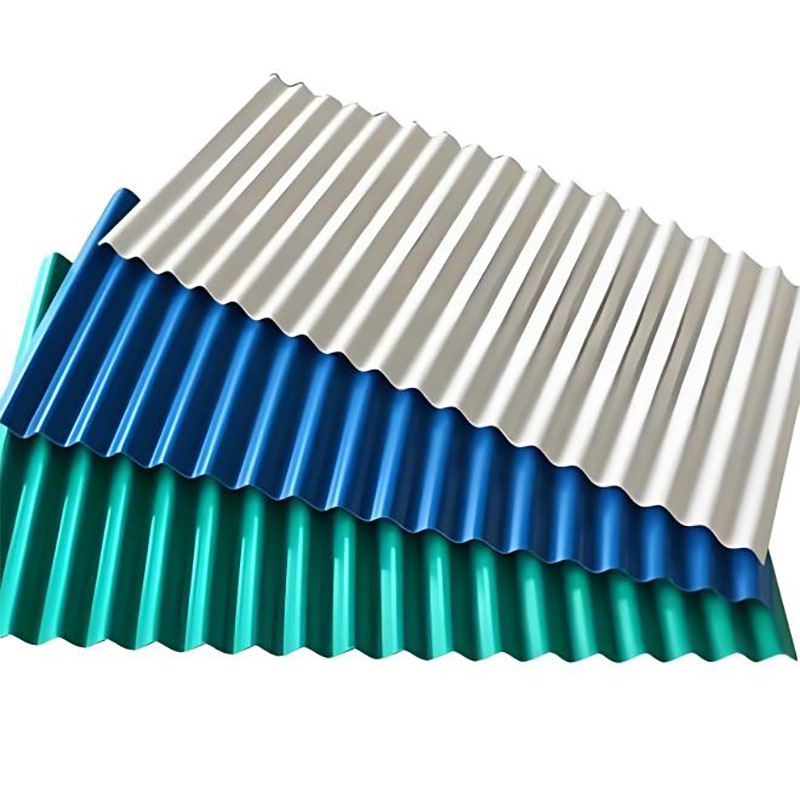
Corrugated metal roofing is a roofing material made from metal sheets that are pressed into wave like or ribbed patterns. Common materials include galvanized steel, aluminum, stainless steel, and color coated steel.
This special corrugated structure not only improves the strength of the metal sheet, but also helps water drain more smoothly. As a result, it is widely used in warehouses, factories, farms, homes, and commercial buildings.
Compared with traditional tile roofing, corrugated metal roofing is lightweight, easy to install, weather resistant, and long lasting.
What Are the Benefits of Corrugated Metal Roofing?
Excellent Durability
One of the main advantages of corrugated metal roofing is its outstanding durability. Compared with traditional asphalt shingles or wooden roofs, metal materials can better withstand strong winds, heavy rain, snow, ice, and ultraviolet exposure.
In areas with harsh weather, corrugated metal roofing can still maintain a stable structure and is less likely to crack or corrode. In addition, many metal roofs are coated with rust resistant finishes, which greatly extend their service life.
They can usually last 30 to 50 years or more, which makes them a valuable long term roofing choice.
Easy Installation and Lightweight Design
Corrugated metal roofing offers high installation efficiency during construction. Since metal sheets are relatively lightweight, they place less pressure on the main building structure and can also reduce transportation and labor costs.
Large panels can quickly cover roof areas, which helps shorten construction time.
This makes the material especially suitable for industrial plants, warehouses, and temporary buildings that need fast construction. In addition, the corrugated design improves sheet strength, so even thinner metal panels can provide good support.
Good Drainage and Waterproof Performance
The corrugated structure is not only decorative, but also improves drainage performance. Rainwater can flow quickly along the corrugations, which reduces water buildup and lowers the risk of roof leakage. This advantage is especially clear in rainy areas.
At the same time, modern metal roofing systems are often used with sealants, waterproof underlayers, and leak resistant connection designs, which further improve overall waterproof performance.
For buildings that need to stay dry for a long time, corrugated metal roofing is a very reliable option.
How Is Corrugated Metal Roofing Manufactured?
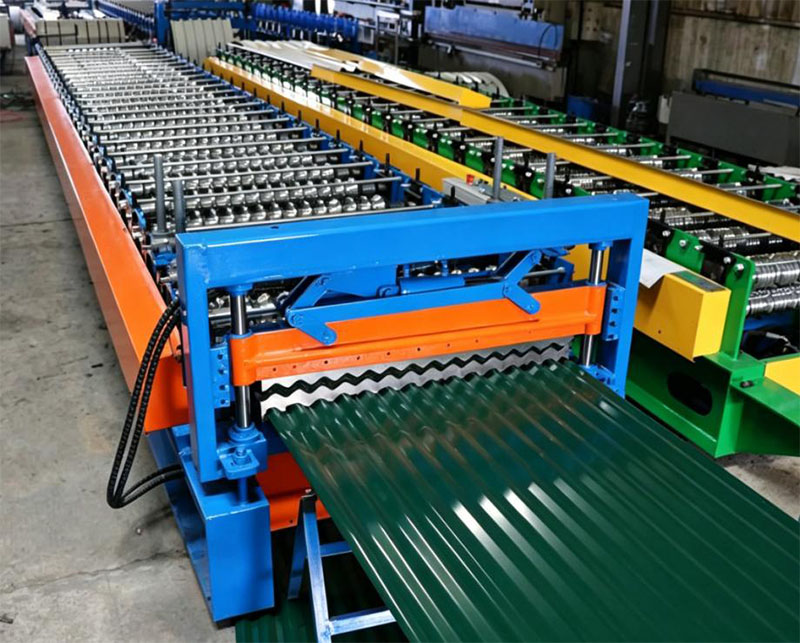
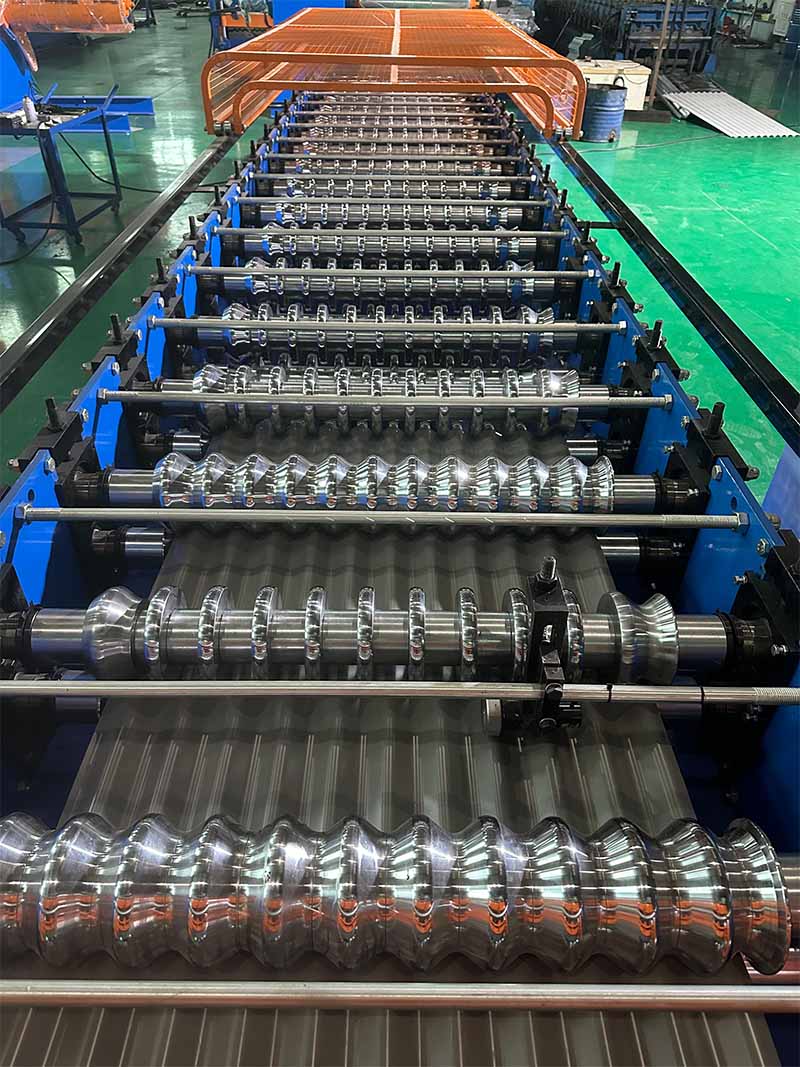
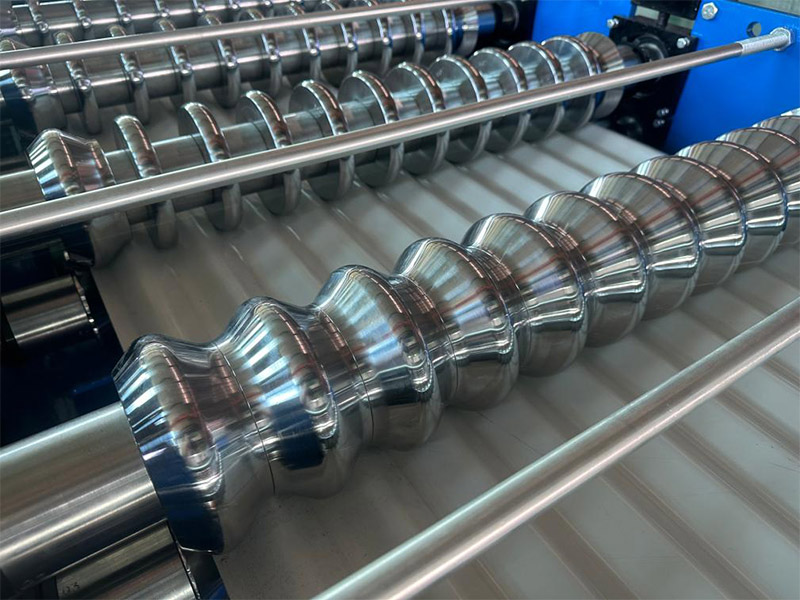
Corrugated metal roofing is usually made by processing metal sheets into wave like shapes with large roll forming machines. During production, manufacturers first choose suitable metal materials, such as galvanized steel sheets, aluminum sheets, or color coated steel sheets.
Then the materials go through cleaning, rust protection treatment, and surface coating to improve corrosion resistance. After that, the metal sheets enter the roller forming equipment, where they are continuously pressed into regular corrugated shapes.
Finally, the sheets are cut into suitable sizes according to different building needs. This manufacturing process improves the strength of the metal panels while also enhancing their pressure resistance and drainage performance.
What Types of Corrugated Metal Roofing Are Available?
In addition to material types, corrugated metal roofing is also classified by panel profile size. Different corrugation sizes affect the panel’s strength, appearance, water drainage performance, and coverage width.
⅞-Inch Corrugated Metal Roofing Panels
⅞-inch corrugated metal roofing is one of the most popular and widely used corrugated panel profiles. The corrugation height is ⅞ inch, providing a traditional wave appearance with strong structural performance.
Features of ⅞-Inch Corrugated Panels
- Classic corrugated appearance suitable for residential, agricultural, and commercial buildings
- Strong wind resistance and drainage performance
- Suitable for roofing and siding applications
- Easy installation and maintenance
- Available in galvanized steel, Galvalume steel, aluminum, and color coated steel
Common Panel Dimensions
Typical specifications for ⅞-inch corrugated roofing panels include:
| Specification | Common Size |
| Rib Height | ⅞ inch |
| Rib Spacing | 2.67 inches |
| Overall Panel Width | 26 inches |
| Effective Coverage Width | 24 inches |
| Standard Lengths | Custom cut or 8 ft, 10 ft, 12 ft |
| Thickness Options | 26 gauge, 28 gauge, 29 gauge |
Coverage Width and Side Lap
Coverage width is an important factor when calculating roofing material requirements. Although a ⅞-inch corrugated panel may have an overall width of 26 inches, the effective coverage width is usually 24 inches after side lap overlap is considered.
Side lap refers to the overlapping section between adjacent roofing panels. Proper side lap installation helps improve waterproof performance and prevents leakage during heavy rain or strong winds. Most ⅞-inch corrugated panels require a one-corrugation side lap.
½-Inch Corrugated Roofing
½-inch corrugated roofing panels feature smaller wave patterns and a lighter appearance. They are often used for decorative wall panels, residential siding, and lightweight roofing applications.
Advantages
- Lightweight and easy to handle
- Modern decorative appearance
- Suitable for smaller structures and wall cladding
Typical Coverage
| Specification | Common Size |
| Rib Height | ½ inch |
| Coverage Width | Approximately 24 inches |
| Side Lap | One corrugation overlap |
1¼-Inch Corrugated Roofing
1¼-inch corrugated roofing panels have deeper corrugations and provide greater structural strength. They are commonly used for industrial buildings, warehouses, and projects requiring higher load capacity.
Advantages
- Higher strength and rigidity
- Better spanning capability
- Improved drainage performance
Typical Coverage
| Specification | Common Size |
| Rib Height | 1¼ inch |
| Coverage Width | Approximately 24 to 36 inches |
| Side Lap | One to two corrugations depending on slope |
Things to Know Before Buying ⅞-Inch Corrugated Metal Roofing Panels
Before purchasing ⅞-inch corrugated roofing panels, several important factors should be considered to ensure the roofing system performs well over time.
Choose the Right Material
Different materials are suitable for different environments:
- Galvanized steel: economical and durable
- Aluminum: ideal for coastal and humid climates
- Color coated steel: better appearance and weather resistance
- Galvalume steel: enhanced corrosion resistance
Select the Appropriate Gauge Thickness
Thicker panels generally provide better durability and impact resistance.
| Gauge | Characteristics |
| 29 Gauge | Lightweight and economical |
| 28 Gauge | Balanced strength and cost |
| 26 Gauge | Stronger and more durable |
For areas with heavy snow, strong winds, or industrial use, thicker panels are usually recommended.
Understand Coverage Area Calculations
When estimating roofing quantities, always calculate based on effective coverage width rather than total panel width because side laps reduce actual coverage. Proper calculations help reduce material waste and avoid shortages during installation.
Consider Roof Slope Requirements
Corrugated roofing panels perform best when installed on roofs with sufficient slope for water drainage. Lower slope roofs may require:
- Additional sealants
- Larger side lap overlaps
- Underlayment membranes
Evaluate Coating and Paint Quality
High-quality coatings improve resistance to UV exposure, corrosion, fading, and scratches. For long-term performance, choose panels with durable paint systems such as SMP or PVDF coatings.
What Buildings Are Suitable for Corrugated Metal Roofing?
Industrial Plants and Warehouses
Corrugated metal roofing is very suitable for industrial plants and warehouse buildings. These buildings usually cover large areas and require roofing materials with strong durability and high installation efficiency.
Corrugated metal roofing is quick to install and has strong wind and pressure resistance, which can meet the needs of large industrial buildings.
In addition, metal roofing has low maintenance costs, which can help companies reduce long term operating expenses. Therefore, it is widely used in industrial construction.
Agricultural Buildings and Livestock Farms
Agricultural buildings usually need roofing materials that are weather resistant, practical, and economical. Therefore, corrugated metal roofing has become an ideal choice for many farms and livestock facilities.
It can effectively resist rain, snow, sunlight, and wind blown sand while providing good drainage performance. In addition, metal roofing can be used with insulation materials to help improve indoor temperature conditions.
For agricultural buildings that require stable long term use, corrugated metal roofing is both practical and economical.
Modern Homes and Commercial Buildings
In recent years, more modern homes and commercial buildings have started to use corrugated metal roofing. This roofing material not only creates a modern industrial style, but also provides good energy saving performance.
Designers often combine different colors and textures to make buildings look more stylish. In addition, metal roofing has a long service life and requires less maintenance, so it has gradually become a popular choice for high end homes and commercial spaces.
How to Choose the Right Corrugated Metal Roofing?
Choose Materials Based on the Building Environment
When choosing corrugated metal roofing, the building environment should be considered first. If the building is located in a coastal area or a high humidity region, aluminum or materials with stronger corrosion resistance are recommended to avoid rust problems.
In ordinary urban or industrial areas, galvanized steel and color coated steel can usually meet usage needs. Choosing materials based on the environment can extend roof life and reduce future maintenance costs.
Pay Attention to Roof Thickness and Strength
Metal panels with different thicknesses vary in strength and durability. Generally speaking, thicker metal panels provide better wind resistance and impact resistance, which makes them suitable for areas with harsh weather.
However, greater thickness also means higher cost. Therefore, when choosing a product, you should consider budget, building use, and local climate conditions to find a suitable balance.
Consider Appearance and Budget Needs
Besides performance, roof appearance and budget also matter. Modern corrugated metal roofing offers rich colors and various surface finishes, which can meet different architectural styles.
For residential or commercial buildings, color coated steel roofing can be chosen for better visual appeal. If the budget is more limited, ordinary galvanized steel roofing can be selected. Choosing the right product within your budget can provide a better overall experience.
Conclusion: Is Corrugated Metal Roofing Worth Choosing?
Corrugated metal roofing is a modern roofing material that combines durability, visual appeal, and cost effectiveness. Whether used for industrial buildings, agricultural facilities, or modern homes, it can provide stable and reliable protection.
If you are looking for a roofing solution with a long service life, low maintenance cost, and easy installation, corrugated metal roofing is worth considering.
Metoform can produce various models of corrugated metal roofing. Welcome to visit our homepage for consultation.
FAQs
Q1 How long can corrugated metal roofing last?
It can usually last 30 to 50 years or more, depending on the material and maintenance.
Q2 Will corrugated metal roofing rust?
High quality metal roofing usually has a rust resistant coating, but corrosion may still occur without proper maintenance.
Q3 Does corrugated metal roofing provide good insulation?
When used with insulation layers, it can effectively reduce indoor temperature.
Q4 Is corrugated metal roofing expensive to install?
Compared with traditional roofing, it offers higher installation efficiency, and the overall construction cost is usually lower.
Q5 Is corrugated metal roofing suitable for homes?
Yes, it is very suitable, especially for modern style homes and rural buildings.

Product Recommendation


How can we assist you?
Tell us a bit more so we can route your request to the right expert.
Sign Up For Our Newsletter
Subscribe to our newsletter for product promos, news, and more.